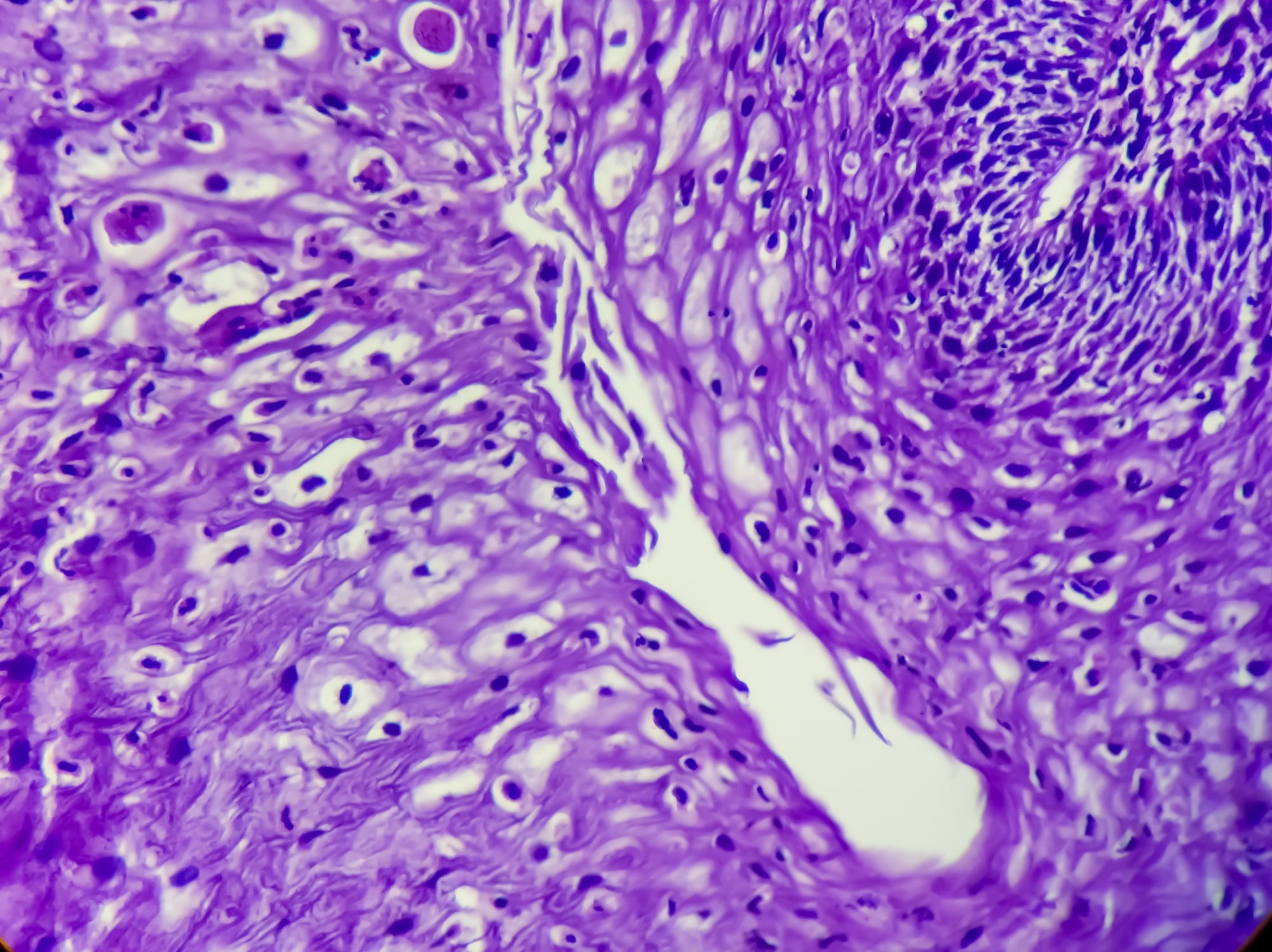
Acute pancreatitis can lead to death or serious complications such as chronic pancreatitis, diabetes mellitus, and organ failure. Patients with severe hypertriglyceridemia are at increased risk for acute pancreatitis. Studies such as APPROACH, BALANCE, and CORE-TIMI show that treatment with an antisense oligonucleotide leads to a significant reduction in triglyceride levels, and recent findings report a lower incidence of acute pancreatitis.
Autoren
- Mirjam Peter, M.Sc.
Publikation
- HAUSARZT PRAXIS
Related Topics
You May Also Like
- Antisense oligonucleotide for severe hypertriglyceridemia
Reduced Incidence of Acute Pancreatitis
- Hereditary Transthyretin Amyloidosis with Polyneuropathy
New Treatment Options for ATTRv-PN
- Type 1 Diabetes: A New Disease-Modifying Treatment Approach
Slowing the loss of β-cell function and delaying the progression of the disease
- Liver Cancer
Artificial Intelligence in Precision Oncology—Opportunities and Challenges
- Acute nonspecific back pain
Implementing a biopsychosocial approach
- Psychedelic-assisted therapy
Current status of PAT
- Neuropathic Pain
Evidence-Based Neuromodulation Based on Clinical Trials and Real-World Data
- Fibromyalgia Syndrome