Medizinonline Medizinonline
  • News
    • News
    • Market & Medicine
  • Patients
    • Disease patterns
    • Diagnostics
    • Therapy
  • Partner Content
    • Diabetes
      • Dia-Month Club – Type 2 Diabetes
      • Diabetes in Motion
      • Diabetes Podcasts
    • Gastroenterology
      • IBD matters
    • Oncology
      • Swiss Oncology in motion
    • Orthopedics
      • Osteoporosis in motion
  • Departments
    • Allergology and clinical immunology
    • General Internal Medicine
    • Anesthesiology
    • Angiology
    • Surgery
    • Dermatology and venereology
    • Endocrinology and Diabetology
    • Nutrition
    • Gastroenterology and Hepatology
    • Genetics
    • Geriatrics
    • Gynecology
    • Hematology
    • Infectiology
    • Cardiology
    • Nephrology
    • Neurology
    • Emergency and intensive care medicine
    • Nuclear Medicine
    • Oncology
    • Ophthalmology
    • ORL
    • Orthopedics
    • Pediatrics
    • Pharmacology and toxicology
    • Pharmaceutical medicine
    • Phlebology
    • Physical medicine and rehabilitation
    • Pneumology
    • Prevention and health care
    • Psychiatry and psychotherapy
    • Radiology
    • Forensic Medicine
    • Rheumatology
    • Sports Medicine
    • Traumatology and trauma surgery
    • Tropical and travel medicine
    • Urology
    • Dentistry
  • CME & Congresses
    • CME continuing education
    • Congress Reports
    • Congress calendar
  • Practice
    • Noctimed
    • Practice Management
    • Jobs
    • Interviews
  • Log In
  • Register
  • My account
  • Contact
  • Publications
  • Contact
  • Deutsch
  • English
  • Français
  • Italiano
  • Português
  • Español
Subscribe
Medizinonline Medizinonline
  • News
    • News
    • Market & Medicine
  • Patienten
    • Krankheitsbilder
    • Diagnostik
    • Therapie
  • Partner Content
    • Diabetes
      • Dia-Month Club – Type 2 Diabetes
      • Diabetes in Motion
      • Diabetes Podcasts
    • Gastroenterology
      • IBD matters
    • Oncology
      • Swiss Oncology in motion
    • Orthopedics
      • Osteoporosis in motion
    • Phytotherapie
    • Rheumatology
  • Departments
    • Fachbereiche 1-13
      • Allergology and clinical immunology
      • General Internal Medicine
      • Anesthesiology
      • Angiology
      • Surgery
      • Dermatology and venereology
      • Endocrinology and Diabetology
      • Nutrition
      • Gastroenterology and Hepatology
      • Genetics
      • Geriatrics
      • Gynecology
      • Hematology
    • Fachbereiche 14-26
      • Infectiology
      • Cardiology
      • Nephrology
      • Neurology
      • Emergency and intensive care medicine
      • Nuclear Medicine
      • Oncology
      • Ophthalmology
      • ORL
      • Orthopedics
      • Pediatrics
      • Pharmacology and toxicology
      • Pharmaceutical medicine
    • Fachbereiche 26-38
      • Phlebology
      • Physical medicine and rehabilitation
      • Phytotherapy
      • Pneumology
      • Prevention and health care
      • Psychiatry and psychotherapy
      • Radiology
      • Forensic Medicine
      • Rheumatology
      • Sports Medicine
      • Traumatology and trauma surgery
      • Tropical and travel medicine
      • Urology
      • Dentistry
  • CME & Congresses
    • CME continuing education
    • Congress Reports
    • Congress calendar
  • Practice
    • Noctimed
    • Practice Management
    • Jobs
    • Interviews
Login

Sie haben noch keinen Account? Registrieren

  • Power and condition

Sport in heart disease – what is allowed?

    • Cardiology
    • Congress Reports
    • RX
    • Sports Medicine
  • 3 minute read

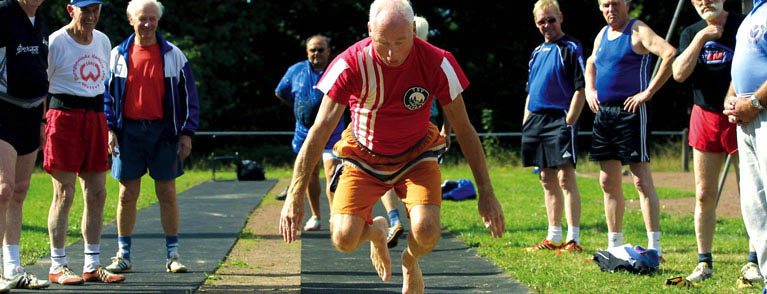
In general, physical activity is healthy and useful even for heart patients. This was the basic message of the presentation by Thomas Weber, MD, Olten, and Matthias Wilhelm, MD, Bern. In any case, the individual performance and condition must be checked in advance.

First, Thomas Weber, MD, general practitioner, Olten, Switzerland, presented a case report of a patient who underwent early surgery for a criss-cross heart with superior right and inferior left ventricles with transposition of the great vessels and a ventricular septal defect. After significant postoperative complications and further surgery (including the implantation of a pacemaker), the young woman of small stature was started on exercise therapy in 2005, which initially had to be discontinued due to exhaustion and shortness of breath. Physically, the patient was significantly limited: poor mobility of the trunk, upper and lower extremities, drastic decrease in coordination and proprioception (standing on one leg as well as getting up from the floor without assistance impossible). With 18 months of active as well as passive exercise therapy, the condition of the entire musculoskeletal system was restored and the limitations were eliminated. The young woman even took part in the Olten Heart Run in 2007.

The second case showed similar success: A man, a heavy smoker with hypertension, dyslipidemia, and a positive family history, a boxer and bodybuilder for many years, suffered an acute anterior myocardial infarction at nearly 40 years of age. With intensive endurance training (jogging 2×/week), he is now back to work 100% and works in security for a pharmaceutical company.

High performance sports possible with a sick heart

Among heart patients, there are even high-performance athletes, emphasized Matthias Wilhelm, MD, senior physician in the Department of Cardiovascular Prevention, Rehabilitation and Sports Medicine at Inselspital Bern. For example, Belgian soccer player Anthony Van Loo, who continues to practice his profession with hypertrophic cardiomyopathy and an implanted cardioverter defibrillator (ICD). Of course, such an exaggerated form of exercise therapy is questionable, but basically the statement “fit people live longer” applies.
Even for sick people, training helps, as long as training stimulus and recovery phases are set correctly. “By preparing itself for the next workout during the recreation phase, the body strengthens itself, which can have a positive effect on health. To move actively 3×/week for 30 min each is basically useful for every heart patient,” said Dr. Wilhelm. “He should be in the so-called moderate zone (zone II of III), between the aerobic and anaerobic threshold. The patient then perceives the training as moderately strenuous. For this to happen, however, he must first develop a feeling for where his individual threshold values lie. A controlled initial performance test is therefore essential.”

In certain patients, the anaerobic threshold can be exceeded in both strength and endurance training, thus advancing to zone III in the short term. High Intensity Interval Training” alternates between four-minute power sequences and three-minute active breaks(Fig. 1).

Of course, such exercise therapy should usually take place only once a week under strictly supervised conditions and should not be done at home, like the basic exercises (zones I to II), Dr. Wilhelm emphasized. “The risk is by no means to be downplayed in the high-intensity field. One should subject patients to a realistic cost/benefit balance on an individual basis and do a comprehensive performance test.”

Source: “Sport bei Herzerkrankungen – was ist erlaubt, was muss man beachten?”, Seminar an der 15. Fortbildungstagung des Kollegiums für Hausarztmedizin (KHM), 20-21 June 2013, Luzern.


Autoren
  • Andreas Grossmann
Publikation
  • HAUSARZT PRAXIS
Related Topics
  • Cardio
  • Cardiomyopathy
  • Condition
  • Heart
  • High performance sport
  • postoperative complications
  • Sports
Previous Article
  • Suicide as a taboo subject

How do you care for suicidal people?

  • Congress Reports
  • Psychiatry and psychotherapy
  • RX
View Post
Next Article
  • 9th Lucerne Trend Days Health

Swiss Healthcare – Quo vadis?

  • Congress Reports
  • Prevention and health care
  • RX
View Post
You May Also Like
View Post
  • 5 min
  • Irritable Bowel Syndrome

IBS or endometriosis?

    • RX
    • Education
    • Gastroenterology and Hepatology
    • General Internal Medicine
    • Gynecology
    • Studies
View Post
  • 6 min
  • Type 2 diabetes: sarcopenia and frailty

How can the breakdown of skeletal muscles be stopped?

    • RX
    • Congress Reports
    • Endocrinology and Diabetology
    • General Internal Medicine
    • Geriatrics
    • Nutrition
    • Orthopedics
    • Sports Medicine
View Post
  • 4 min
  • Cholangiocarcinoma

Modern molecular diagnostics and targeted therapy options

    • RX
    • Education
    • Gastroenterology and Hepatology
    • Oncology
    • Studies
View Post
  • 6 min
  • Treatment resistant depression

Esketamine nasal spray as monotherapy? New for treatment-resistant depression

    • RX
    • Education
    • General Internal Medicine
    • ORL
    • Pharmacology and toxicology
    • Psychiatry and psychotherapy
    • Studies
View Post
  • 6 min
  • Analysis of SNVCS data from the period 2005-2022

TBE vaccination for children and adolescents in Switzerland

    • RX
    • Education
    • General Internal Medicine
    • Infectiology
    • Neurology
    • Pediatrics
    • Prevention and health care
View Post
  • 4 min
  • Tuberculosis

Detecting diabetes in TB patients early and efficiently

    • RX
    • Education
    • Endocrinology and Diabetology
    • Infectiology
    • Pneumology
    • Studies
View Post
  • 4 min
  • Trichophyton indotineae

Terbinafine-resistant dermatophytoses are on the rise in Central Europe

    • RX
    • Allergology and clinical immunology
    • Congress Reports
    • Dermatology and venereology
    • Infectiology
    • Studies
    • Tropical and travel medicine
View Post
  • 11 min
  • Peristomal skin health

Focus on preventive care options

    • RX
    • Cases
    • CME continuing education
    • Dermatology and venereology
    • Gastroenterology and Hepatology
    • Infectiology
    • Physical medicine and rehabilitation
    • Prevention and health care
    • Surgery
Landingpage Fachinfo Landingpage Button
  • IBD matters

    Zum Thema
Top CME content
  • 1
    Communication as the key to therapy adherence
  • 2
    Solutions to the malnutrition dilemma
  • 3
    Solutions to the malnutrition dilemma
  • 4
    Focus on preventive care options
  • 5
    Fertility preservation from gonads to genomes to genoids

Newsletter

Sign up and stay up to date

Subscribe
Medizinonline Medizinonline
  • Contact
  • General terms and conditions
  • Imprint

Input your search keywords and press Enter.