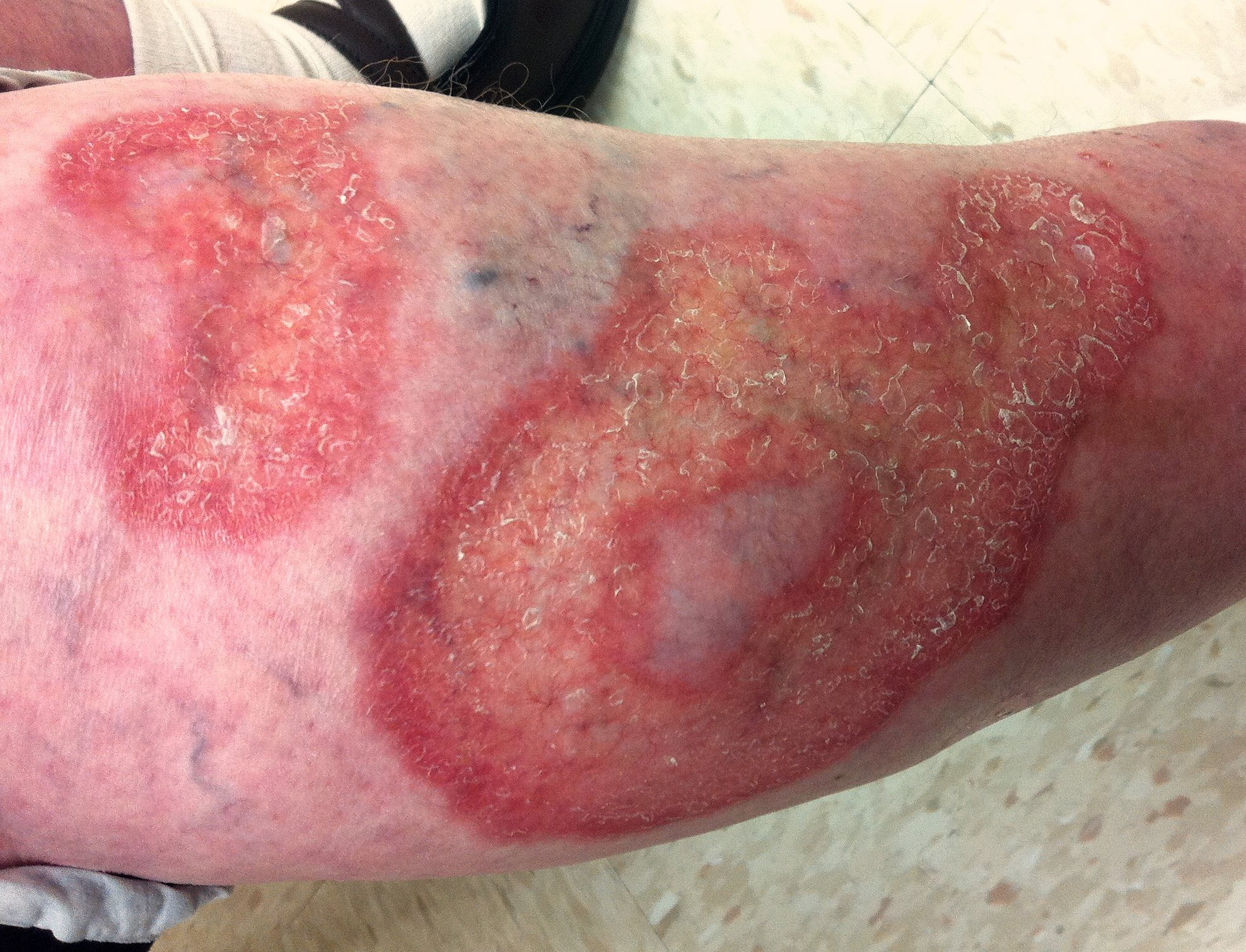
The progress in the diagnosis and treatment of generalized pustular psoriasis (GPP) is remarkable. GPP has developed into a clearly defined, independent, IL-36-mediated autoinflammatory disease. Today, the high chronic disease burden far beyond the acute flare-ups is recognized. With the introduction of IL-36 receptor inhibitors, a highly effective, rapid onset, pathophysiology-based therapy is available for the first time.
Autoren
- Mirjam Peter, M.Sc.
Publikation
- DERMATOLOGIE PRAXIS

Related Topics
You May Also Like
- Risk of osteoporosis in autoimmune liver diseases
Always determine bone density in PBC, PSC and AIH
- Case report: Complication after type 2 diabetes
Topical corticosteroids lead to ketoacidosis
- NSCLC
Bispecific antibodies for rare EGFR mutations
- Type 2 diabetes - glycemic control and prevention of secondary diseases
Utilizing pleiotropic cardio- and nephroprotective effects of SGLT-2-i and GLP-1-RA
- Subsyndromal anxiety disorders: Family doctor as first point of contact
Practical recommendations for diagnostics and therapy
- Patient-centered rounds in medicine
Aligning care with the patient
- Restless legs syndrome in children
Relationship between restless legs syndrome and growing pains
- Between hope and evidence gaps