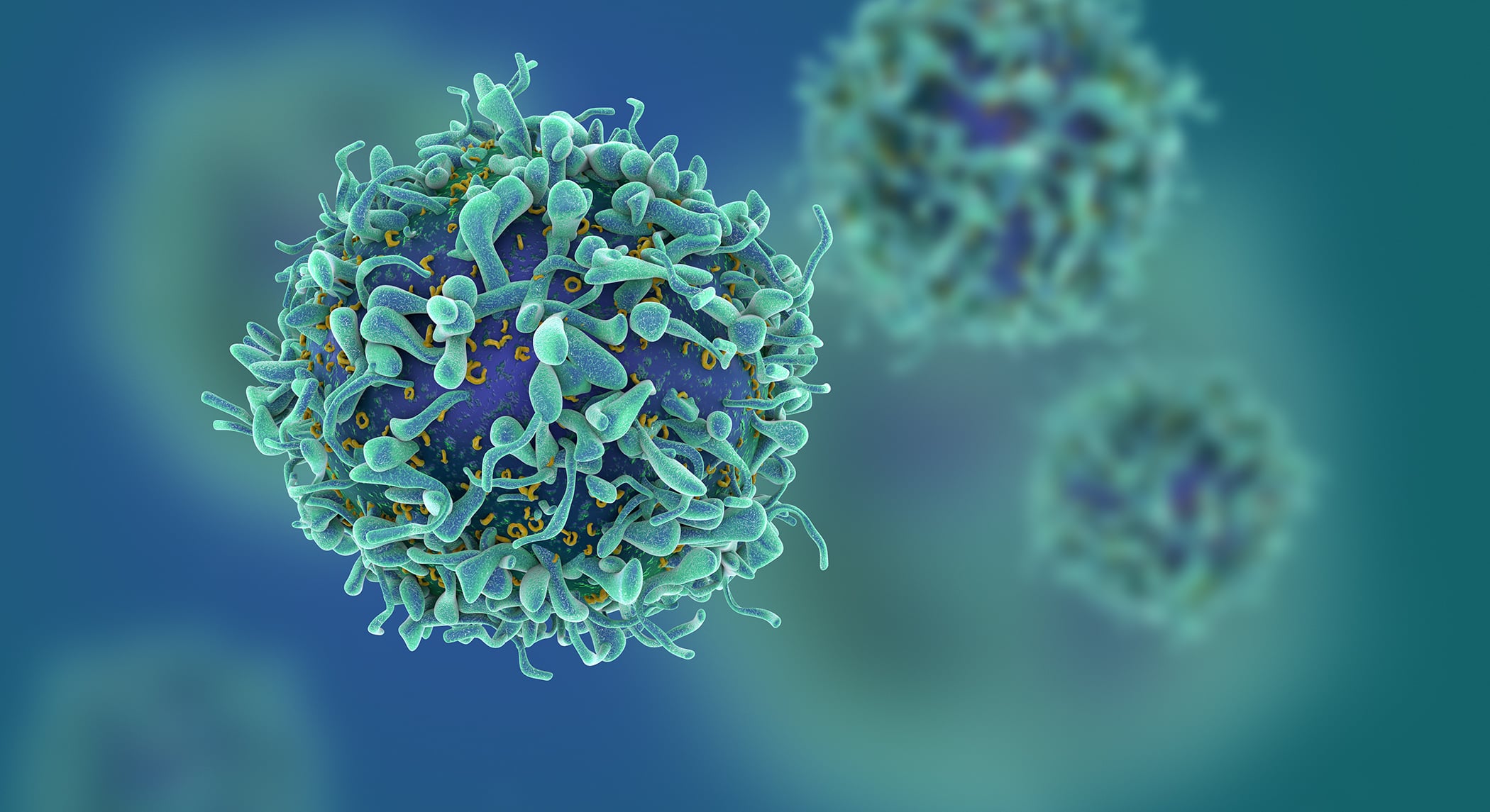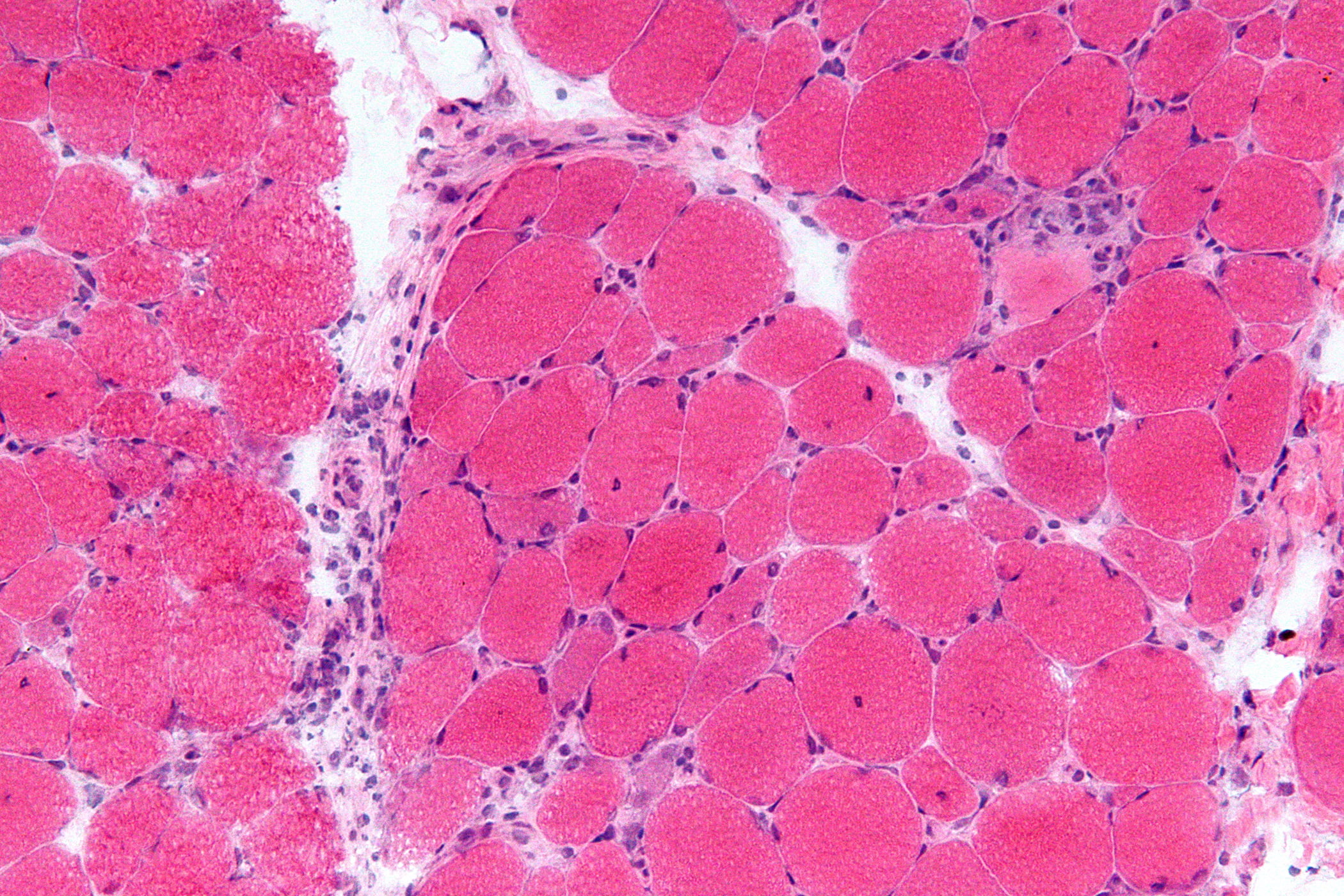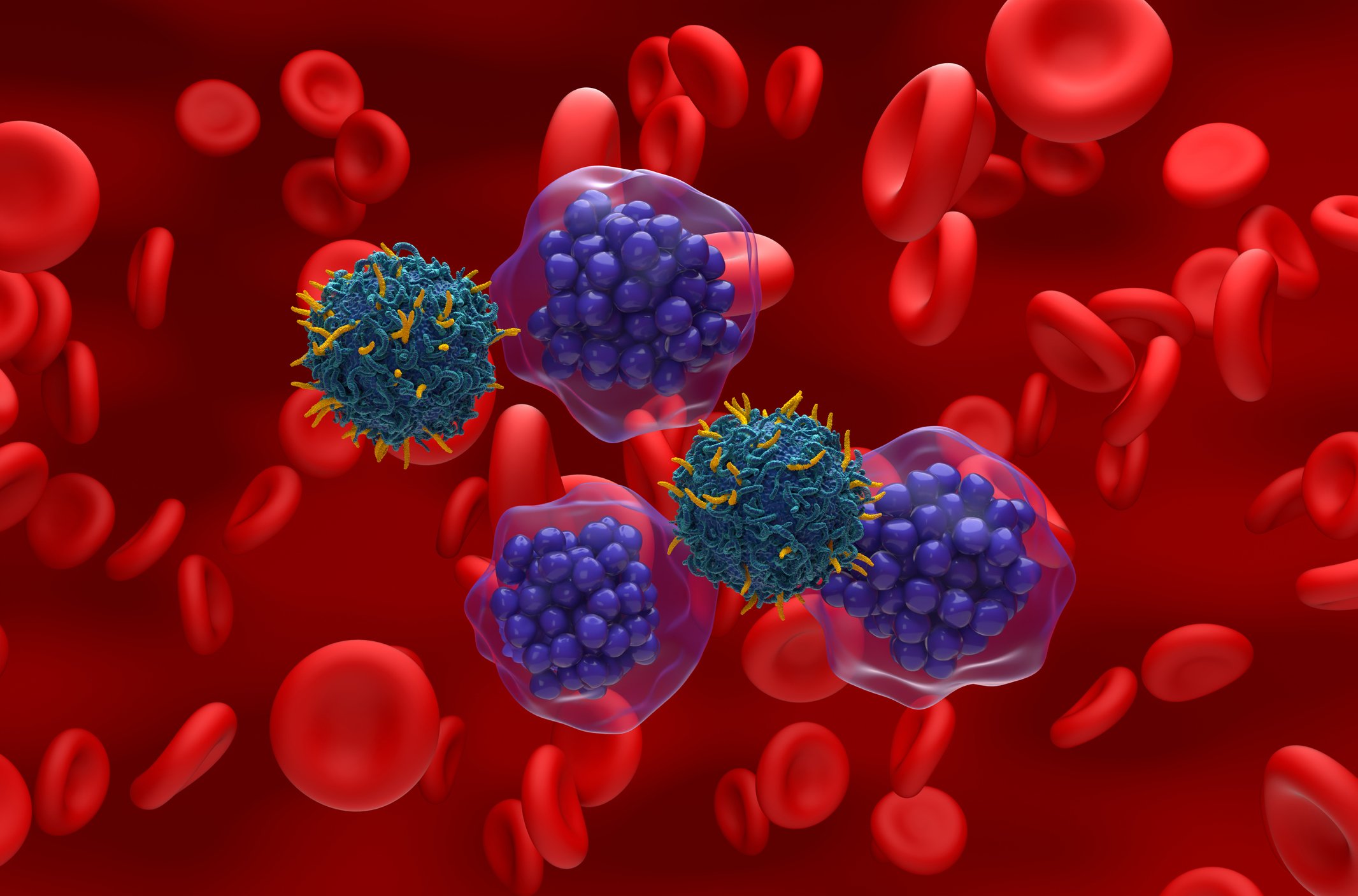
Bispecific antibodies represent an important therapeutic advance in the treatment of aggressive B-cell lymphomas. Through the targeted recruitment of T cells against malignant B cells, they open up new options for patients who no longer respond to established therapies. Their rapid clinical use raises the question of what role they will play in the future standard of care.
Autoren
- Dr. oec. Odile Schwarz-Herion
Publikation
- InFo ONKOLOGIE & HÄMATOLOGIE
Related Topics
- Activation marker (CD69
- Active ingredients & studies
- Artificial immune synapse
- B-cell lymphoma
- B-cell lymphomas
- CAR T-cell therapy
- CD20×CD3 bispecific antibodies
- CRS cytokine release syndrome
- ctDNA-circulating tumor DNA
- Cytokine profile
- Cytokine profiles IL-6 IFN-γ
- Diagnostics & biomarkers
- diffuse large B-cell lymphoma (DLBCL)
- early cytokine increases
- early inflammatory cytokine profile
- Epcoritamab
- Exhaustion marker (PD-1
- follicular lymphoma (FL)
- Glofitamab
- HLA-DR)
- ICANS neurotoxicity
- Mosunetuzumab
- Non-Hodgkin's lymphomas
- Polatuzumab vedotin
- relapsed refractory DLBCL (R/R DLBCL)
- Step-up dosing
- T-cell activation
- T-cell fitness
- T-cell proliferation signatures
- T-cell recruitment
- Therapy
- TIM-3)
- Tumor burden
- Tumor burden biomarker
- tumor-associated factors (CD20 density)
You May Also Like
How origin and place of residence promote CF-associated diabetes
- Patients with leg swelling
DVT and other common DDs with peripheral edema
- Pancreatic Cancer
Innovative early detection with a focus on liquid biopsy and AI
- Cervical Cancer
HPV prevention, screening innovation and sentinel lymph node biopsy
- Polypharmacy: use of eHealth tools in Switzerland
Survey study in primary care
- From symptom to diagnosis
Abdominal pain – Prostate abscess
- Asthma during pregnancy
Up to 40% suffer worsening of symptoms during pregnancy
- From symptom to diagnosis