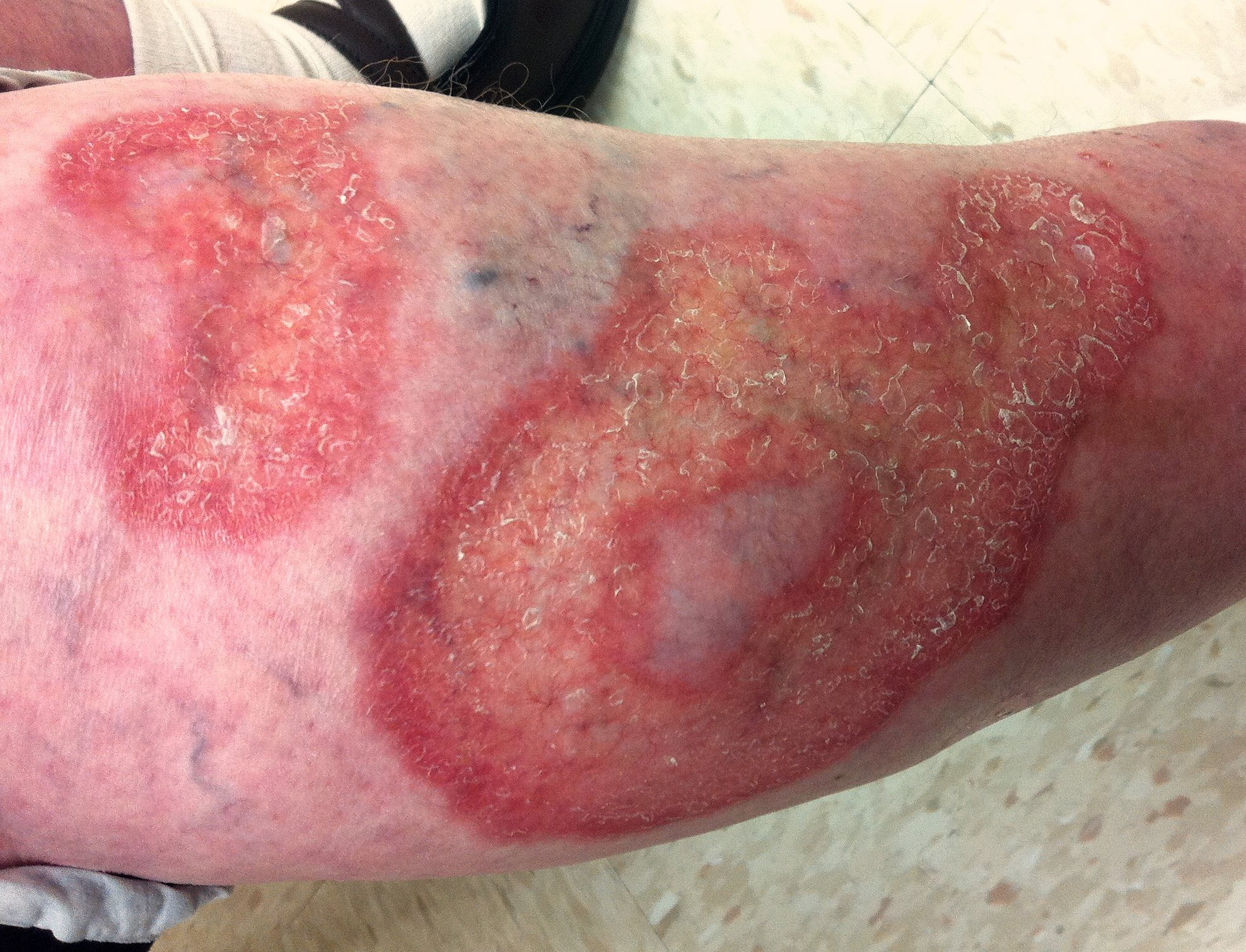
C. difficile infection (CDI) is the most common pathogen-related cause of nosocomial diarrhea, but can also occur in outpatients if risk factors are present. Due to the associated morbidity and mortality risks, there is usually an indication for specific treatment in the case of a diagnosed CDI. The use of oral antibiotics remains the most important measure, although previous antibiotic treatment is the main risk factor for the development of CDI.
Autoren
- Mirjam Peter, M.Sc.
Publikation
- HAUSARZT PRAXIS
Related Topics
You May Also Like
- Advanced Thyroid Cancer
Molecular Mechanisms and New Therapeutic Approaches
- Epidermolysis bullosa
Promoting Wound Healing with Gene Therapies and Birch Bark Extract
- From Risk Identification to Anti-Inflammatory Intervention
Inflammation as a Treatment Goal in Its Own Right
- Psoriasis Research: What's in the Pipeline?
Highly selective oral TYK inhibitors in Phase III
- Cardiometabolism
Retatrutid and the TRIUMPH Program: The Triple Agonist on the Horizon
- Pediatric Retinoblastoma
The Tumor Microenvironment and Modern Eye-Sparing Therapies
- Adherence and management in asthma and COPD
Better to listen to the pharmacist
- Focus Update 2026