Medizinonline Medizinonline
  • News
    • News
    • Market & Medicine
  • Patients
    • Disease patterns
    • Diagnostics
    • Therapy
  • Partner Content
    • Diabetes
      • Dia-Month Club – Type 2 Diabetes
      • Diabetes in Motion
      • Diabetes Podcasts
    • Gastroenterology
      • IBD matters
    • Oncology
      • Swiss Oncology in motion
    • Orthopedics
      • Osteoporosis in motion
  • Departments
    • Allergology and clinical immunology
    • General Internal Medicine
    • Anesthesiology
    • Angiology
    • Surgery
    • Dermatology and venereology
    • Endocrinology and Diabetology
    • Nutrition
    • Gastroenterology and Hepatology
    • Genetics
    • Geriatrics
    • Gynecology
    • Hematology
    • Infectiology
    • Cardiology
    • Nephrology
    • Neurology
    • Emergency and intensive care medicine
    • Nuclear Medicine
    • Oncology
    • Ophthalmology
    • ORL
    • Orthopedics
    • Pediatrics
    • Pharmacology and toxicology
    • Pharmaceutical medicine
    • Phlebology
    • Physical medicine and rehabilitation
    • Pneumology
    • Prevention and health care
    • Psychiatry and psychotherapy
    • Radiology
    • Forensic Medicine
    • Rheumatology
    • Sports Medicine
    • Traumatology and trauma surgery
    • Tropical and travel medicine
    • Urology
    • Dentistry
  • CME & Congresses
    • CME continuing education
    • Congress Reports
    • Congress calendar
  • Practice
    • Noctimed
    • Practice Management
    • Jobs
    • Interviews
  • Log In
  • Register
  • My account
  • Contact
  • Publications
  • Contact
  • Deutsch
  • English
  • Français
  • Italiano
  • Português
  • Español
Subscribe
Medizinonline Medizinonline
  • News
    • News
    • Market & Medicine
  • Patienten
    • Krankheitsbilder
    • Diagnostik
    • Therapie
  • Partner Content
    • Diabetes
      • Dia-Month Club – Type 2 Diabetes
      • Diabetes in Motion
      • Diabetes Podcasts
    • Gastroenterology
      • IBD matters
    • Oncology
      • Swiss Oncology in motion
    • Orthopedics
      • Osteoporosis in motion
    • Phytotherapie
    • Rheumatology
  • Departments
    • Fachbereiche 1-13
      • Allergology and clinical immunology
      • General Internal Medicine
      • Anesthesiology
      • Angiology
      • Surgery
      • Dermatology and venereology
      • Endocrinology and Diabetology
      • Nutrition
      • Gastroenterology and Hepatology
      • Genetics
      • Geriatrics
      • Gynecology
      • Hematology
    • Fachbereiche 14-26
      • Infectiology
      • Cardiology
      • Nephrology
      • Neurology
      • Emergency and intensive care medicine
      • Nuclear Medicine
      • Oncology
      • Ophthalmology
      • ORL
      • Orthopedics
      • Pediatrics
      • Pharmacology and toxicology
      • Pharmaceutical medicine
    • Fachbereiche 26-38
      • Phlebology
      • Physical medicine and rehabilitation
      • Phytotherapy
      • Pneumology
      • Prevention and health care
      • Psychiatry and psychotherapy
      • Radiology
      • Forensic Medicine
      • Rheumatology
      • Sports Medicine
      • Traumatology and trauma surgery
      • Tropical and travel medicine
      • Urology
      • Dentistry
  • CME & Congresses
    • CME continuing education
    • Congress Reports
    • Congress calendar
  • Practice
    • Noctimed
    • Practice Management
    • Jobs
    • Interviews
Login

Sie haben noch keinen Account? Registrieren

  • Insomnia

When counting sheep no longer helps: a holistic view of sleep disorders

    • Education
    • Prevention and health care
    • Psychiatry and psychotherapy
    • RX
  • 3 minute read

Increasing demands at work and in private life, irregular eating habits and a lifestyle that is not conducive to healthy sleep are just a few possible causes of sleep disorders. However, their effects can be far-reaching. To minimize physical and psychological consequences, holistic treatment is indicated.

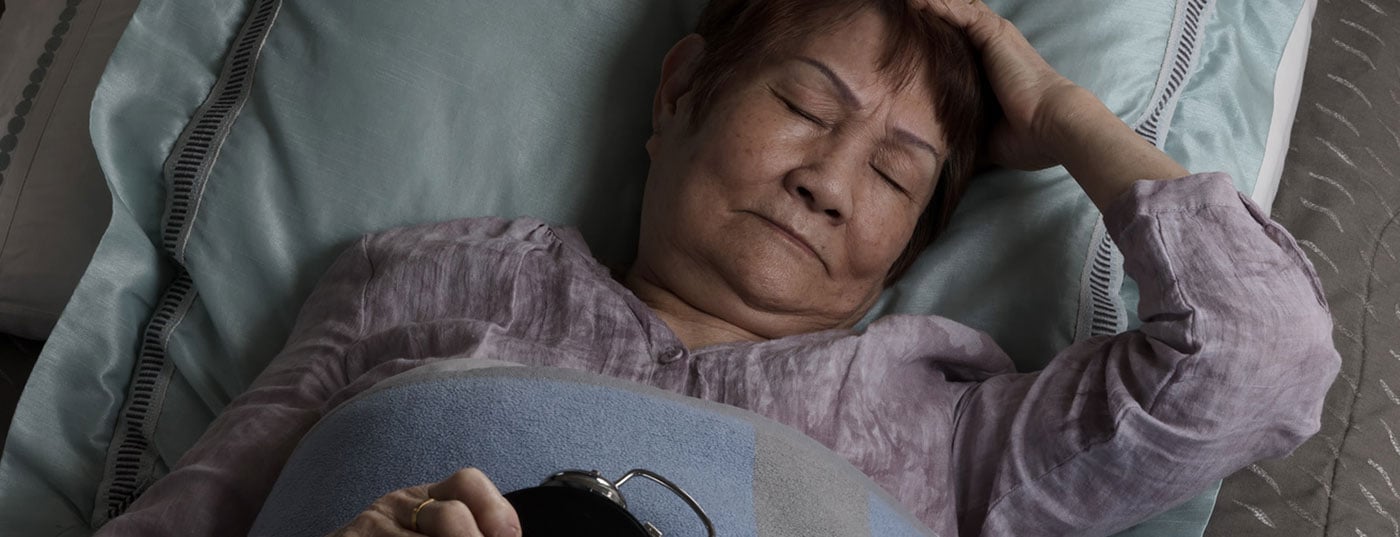
How much sleep a person needs varies from person to person. In order to be refreshed and productive, an average of seven to eight hours of sleep is indicated. But we do not always wake up rested. Sleep disorders can have different causes and can also manifest themselves in different ways. A distinction is made between difficulties falling asleep and difficulties staying asleep. Circling thoughts and inner restlessness are often the cause when sleep just won’t come. Looking at the clock then increases the tension even more, so that a relaxed night’s sleep is out of the question. People who wake up in the middle of the night and cannot continue sleeping suffer from sleep disorders. In addition to impairing behavior, physical and psychological problems can also be the cause. More than half of all sleep disorders are associated with psychiatric disorders such as anxiety disorders or depression [1]. The consequences of such sleep disorders include fatigue, irritability, poor performance and depressive moods. Current scientific findings also show that not only memory function declines, but also sugar and fat metabolism are negatively affected [2].

Three-pillar treatment

Effective therapy is multimodal and based on the three pillars of sleep hygiene, sleep therapy and pharmacological intervention. To improve sleep hygiene, firstly the sleep environment is optimized. This includes a good mattress, a comfortable room climate or curtains if needed. On the other hand, a certain routine should also prepare the body for sleep. Accordingly, behaviors that promote good sleep are trained. Sleep therapy supports these efforts and also reduces potential anxiety. Relaxation techniques are also frequently used.

Different substances can be used as pharmacological measures depending on the initial situation. Drugs with a longer duration of action are suitable for sleep disorders. However, they should not cause impairment the next day. Acute sleep disorders that arise due to short-term high stress can be treated for a limited time. Often, the development of a chronic sleep disorder can also be stopped in this way. As a general rule, use sleeping pills as sparingly and for as short a time as possible. This is because, in addition to the possible side effects that vary from preparation to preparation, many sleeping pills carry fundamental risks that influence the selection of the right therapy [3]:

  • Dependency
  • Tolerance development
  • Rebound effects (weaning insomnia).
  • Impairments on the following day (hangover)
  • Concealment of the causes

The right substance for every patient

Benzodiazepines are commonly prescribed, especially for acute sleep disorders. They develop a sleep-promoting effect by binding to GABA receptors, among others. However, since they can be addictive, they should be used for a maximum of three to four weeks. The same is true for Z-drugs that bind to the same receptor. They are said to have a slightly lower risk in terms of habituation, weaning insomnia and hangover. Antihistamines, especially of the older generation, are also suitable for the treatment of sleep disorders. However, since a habituation effect may occur, an omission attempt should be made after three days. Melatonin may also be used in patients over 55 years of age. The natural hormone predominantly controls the sleep-wake rhythm and is therefore particularly suitable for people in whom this is disturbed, for example, by shift work. It is not uncommon for herbal medicines to be prescribed, especially for mild sleep disorders. Its effect is slow and light. In return, however, they lead neither to habituation nor to hangover.


Literature:

  1. www.neurologen-und-psychiater-im-netz.org/psychiatrie-psychosomatik-psychotherapie/stoerungen-erkrankungen/schlafstoerungen/ursachen (last accessed 05/16/2020)
  2. www.neurologen-und-psychiater-im-netz.org/psychiatrie-psychosomatik-psychotherapie/stoerungen-erkrankungen/schlafstoerungen/beschwerdebilder (last accessed 05/16/2020)
  3. www.toppharm.ch/krankheitsbild/durchschlafstoerungen (last accessed 05/16/2020)


InFo NEUROLOGY & PSYCHIATRY 2020; 18(4): 24.
Autoren
  • Leoni Burggraf
Publikation
  • InFo NEUROLOGIE & PSYCHIATRIE
Related Topics
  • Insomnia
  • Sleep
  • Sleep disorder
Previous Article
  • Polycythaemia vera

Effective therapy management with regard to the risk of thrombosis

  • Education
  • Hematology
  • RX
View Post
Next Article
  • Inflammatory dermatoses

New trends in the system therapy of atopic dermatitis

  • Allergology and clinical immunology
  • Dermatology and venereology
  • Education
  • RX
  • Studies
View Post
You May Also Like
View Post
  • 7 min
  • Geriatric patients

Micronutrient Intake in Older Adults

    • RX
    • Education
    • General Internal Medicine
    • Geriatrics
    • Nutrition
View Post
  • 7 min
  • Crohn's disease: focus on long-term results

“Top-down” approach or classic step therapy?

    • RX
    • Congress Reports
    • Gastroenterology and Hepatology
    • General Internal Medicine
    • Studies
View Post
  • 4 min
  • SwissDiab Study: New Analysis Published

How are diabetes complications associated with quality of life?

    • RX
    • Endocrinology and Diabetology
    • General Internal Medicine
    • Studies
View Post
  • 6 min
  • Pre-acclimatization on Mount Everest

Exploring the physiological limits

    • RX
    • Congress Reports
    • General Internal Medicine
    • Pneumology
    • Studies
    • Tropical and travel medicine
View Post
  • 5 min
  • Viloxazine for ADHD

A non-stimulating option—but with limited evidence

    • RX
    • Education
    • Neurology
    • Pediatrics
    • Pharmacology and toxicology
    • Psychiatry and psychotherapy
    • Studies
View Post
  • 6 min
  • Preclinical study on phytotherapeutic agent

Active ingredient combination of peppermint and caraway oil modified fecal microbiota

    • RX
    • Education
    • Gastroenterology and Hepatology
    • General Internal Medicine
    • Pharmaceutical medicine
    • Phytotherapy
    • Studies
View Post
  • 4 min
  • Casuistry

Rituximab used effectively against IgG4-RD colitis

    • RX
    • Cases
    • Education
    • Gastroenterology and Hepatology
    • General Internal Medicine
    • Radiology
    • Rheumatology
View Post
  • 5 min
  • Sarcoidosis

New options from JAKi to mTOR

    • RX
    • Congress Reports
    • General Internal Medicine
    • Pneumology
    • Studies
  • IBD matters

    Zum Thema
Top CME content
  • 1
    Current State of Knowledge and New Therapeutic Approaches
  • 2
    Why is it so hard to lose weight?
  • 3
    Functional limb preservation between infection control, vascular medicine and resurfacing
  • 4
    Algorithms, avatars and the unburdened mind
  • 5
    Communication as the key to therapy adherence

Newsletter

Sign up and stay up to date

Subscribe
Medizinonline Medizinonline
  • Contact
  • General terms and conditions
  • Imprint

Input your search keywords and press Enter.