Medizinonline Medizinonline
  • News
    • News
    • Market & Medicine
  • Patients
    • Disease patterns
    • Diagnostics
    • Therapy
  • Partner Content
    • Diabetes
      • Dia-Month Club – Type 2 Diabetes
      • Diabetes in Motion
      • Diabetes Podcasts
    • Gastroenterology
      • IBD matters
    • Oncology
      • Swiss Oncology in motion
    • Orthopedics
      • Osteoporosis in motion
  • Departments
    • Allergology and clinical immunology
    • General Internal Medicine
    • Anesthesiology
    • Angiology
    • Surgery
    • Dermatology and venereology
    • Endocrinology and Diabetology
    • Nutrition
    • Gastroenterology and Hepatology
    • Genetics
    • Geriatrics
    • Gynecology
    • Hematology
    • Infectiology
    • Cardiology
    • Nephrology
    • Neurology
    • Emergency and intensive care medicine
    • Nuclear Medicine
    • Oncology
    • Ophthalmology
    • ORL
    • Orthopedics
    • Pediatrics
    • Pharmacology and toxicology
    • Pharmaceutical medicine
    • Phlebology
    • Physical medicine and rehabilitation
    • Pneumology
    • Prevention and health care
    • Psychiatry and psychotherapy
    • Radiology
    • Forensic Medicine
    • Rheumatology
    • Sports Medicine
    • Traumatology and trauma surgery
    • Tropical and travel medicine
    • Urology
    • Dentistry
  • CME & Congresses
    • CME continuing education
    • Congress Reports
    • Congress calendar
  • Practice
    • Noctimed
    • Practice Management
    • Jobs
    • Interviews
  • Log In
  • Register
  • My account
  • Contact
  • Publications
  • Contact
  • Deutsch
  • English
  • Français
  • Italiano
  • Português
  • Español
Subscribe
Medizinonline Medizinonline
  • News
    • News
    • Market & Medicine
  • Patienten
    • Krankheitsbilder
    • Diagnostik
    • Therapie
  • Partner Content
    • Diabetes
      • Dia-Month Club – Type 2 Diabetes
      • Diabetes in Motion
      • Diabetes Podcasts
    • Gastroenterology
      • IBD matters
    • Oncology
      • Swiss Oncology in motion
    • Orthopedics
      • Osteoporosis in motion
    • Phytotherapie
    • Rheumatology
  • Departments
    • Fachbereiche 1-13
      • Allergology and clinical immunology
      • General Internal Medicine
      • Anesthesiology
      • Angiology
      • Surgery
      • Dermatology and venereology
      • Endocrinology and Diabetology
      • Nutrition
      • Gastroenterology and Hepatology
      • Genetics
      • Geriatrics
      • Gynecology
      • Hematology
    • Fachbereiche 14-26
      • Infectiology
      • Cardiology
      • Nephrology
      • Neurology
      • Emergency and intensive care medicine
      • Nuclear Medicine
      • Oncology
      • Ophthalmology
      • ORL
      • Orthopedics
      • Pediatrics
      • Pharmacology and toxicology
      • Pharmaceutical medicine
    • Fachbereiche 26-38
      • Phlebology
      • Physical medicine and rehabilitation
      • Phytotherapy
      • Pneumology
      • Prevention and health care
      • Psychiatry and psychotherapy
      • Radiology
      • Forensic Medicine
      • Rheumatology
      • Sports Medicine
      • Traumatology and trauma surgery
      • Tropical and travel medicine
      • Urology
      • Dentistry
  • CME & Congresses
    • CME continuing education
    • Congress Reports
    • Congress calendar
  • Practice
    • Noctimed
    • Practice Management
    • Jobs
    • Interviews
Login

Sie haben noch keinen Account? Registrieren

  • Medical cannabis

With pain the substance begins to act

    • Congress Reports
    • General Internal Medicine
    • Neurology
    • Prevention and health care
    • RX
  • 3 minute read

The use of medicinal cannabinoids that are reimbursable through health insurance has come a long way in recent years. This is also reflected in various consensus statements and current guidelines. An overview of current recommendations was presented at the German Pain Congress in Mannheim.

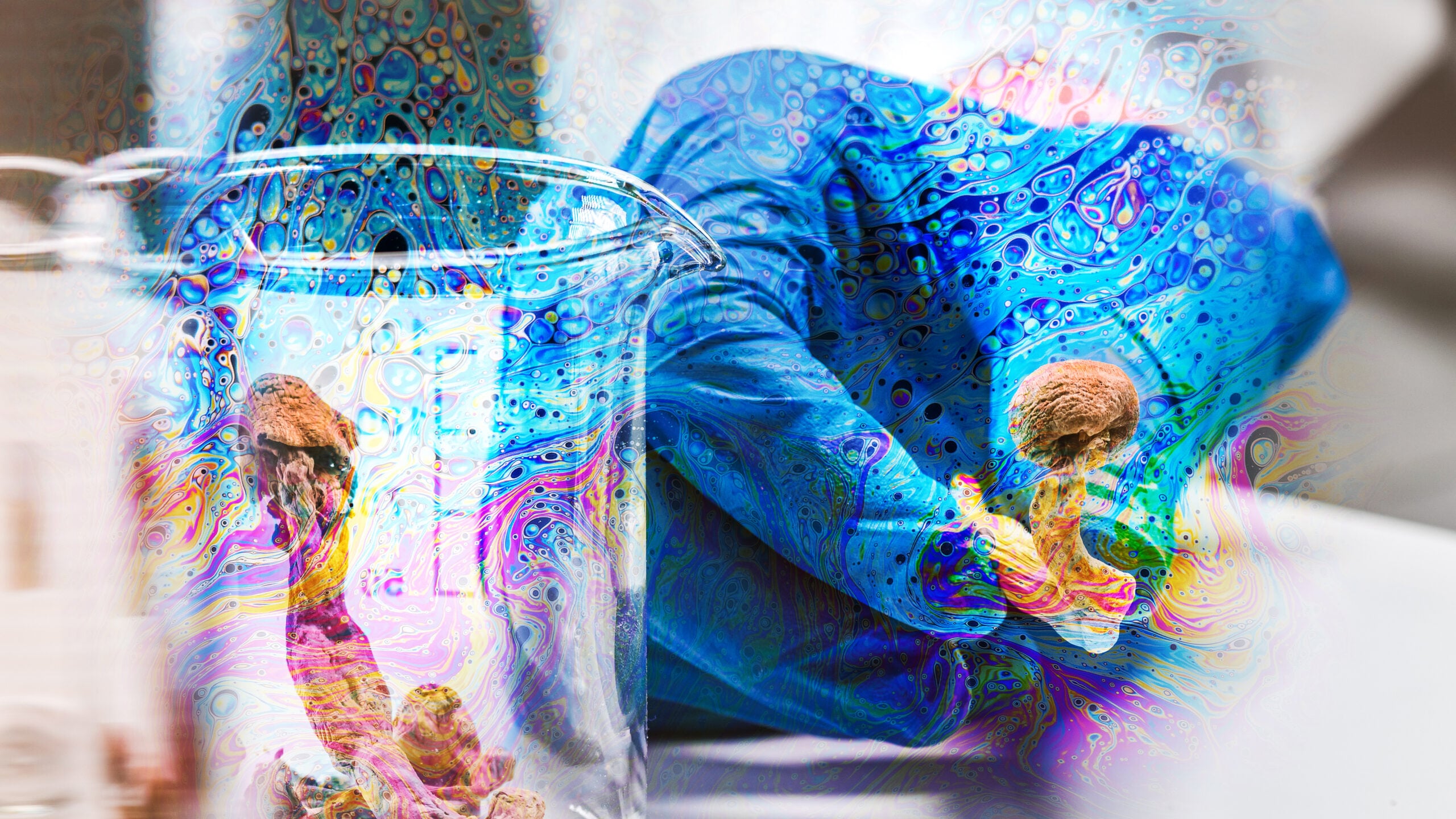
There are several reimbursable cannabis active ingredients on the market that are derived from the hemp plant. First and foremost is dronabinol (tetrahydrocannabinol, THC), which is the pure substance for the production of prescription drugs, so it is free of other substances. In Switzerland, it is mainly used for chronic and/or neuropathic pain and spasticity. Nabiximols is available as an on-label oral spray for the treatment of painful spasticity, e.g. in MS. However, some patients report that it causes irritation of the oral mucosa. Nabiximols consists of a THC:CBD (cannabidiol) ratio of 2.7:2.5. Cannabis extracts contain defined ratios of THC to CBD, similar to nabiximols, but in addition all other ingredients extracted from the cannabis plant, such as terpenes. Nabilone is a synthetic derivative of THC and is available in North America and also Germany as 1mg capsules on label for nausea and vomiting after chemotherapy. However, the drug is not registered in Switzerland.

Finally, cannabis flowers are available for preparation in inhalers, as tea, pastries, or even for smoking. But here caution is required with regard to the correct dosage. “I am cautious with flowers. The rapid flooding through inhalation and vaporization results in a peak after 60-120 seconds – but I don’t want that at all in a pain therapy,” Prof. Dr. Roman Rolke, specialist in neurology, additional qualification in palliative medicine, Clinic for Palliative Medicine at the University Hospital RWTH Aachen, pointed out. Extracts or oily drops, on the other hand, provide a slow onset, which allows for better control in chronic pain. In tumor pain alone, there is a recommendation to always co-prescribe a fast-acting requirement. This is not true for other chronic forms of pain.

Caution with cannabis flowers

The neurologist acknowledged that there are certainly situations in which the flowers work individually and can be a good solution. In the case of frequent, prolonged spasticity, for example, Prof. Rolke can well imagine an application, as well as in certain resorption disorders, e.g. patients with ileus due to cancer, in whom oral intake is no longer reasonably possible and inhalation offers an alternative. But in general, he also has concerns about accuracy in flower application and about smoking: “A lot of patients smoke the flowers without a filter – and that carries a significantly increased risk of cancer, even over regular smokers. Also, as a tea or a pastry, you often don’t get the right temperature to extract all that’s in the flower.”

Indications in hospice and palliative work

Medicinal cannabinoids are indicated for lack of appetite, anxiety, pain, nausea, and vomiting. Not however with depression, there are effective anti-depressants available, as the expert explained. “But if someone is feeling very bad, there is of course nothing to say against simply taking the mood-lifting effect.” In the practice guideline Cannabis in Pain Therapy of the German Society for Pain Medicine (DGS), the authors write that pain in particular is an important indication in many areas: Spastic pain (in MS), chronic pain, tumor pain, non-tumor-related pain, and neuropathic pain are all assigned recommendation grade A (= high). Sleep disorders in chronic pain, visceral pain rheumatologic pain, muscle pain, and fibromyalgia with recommendation grade C.
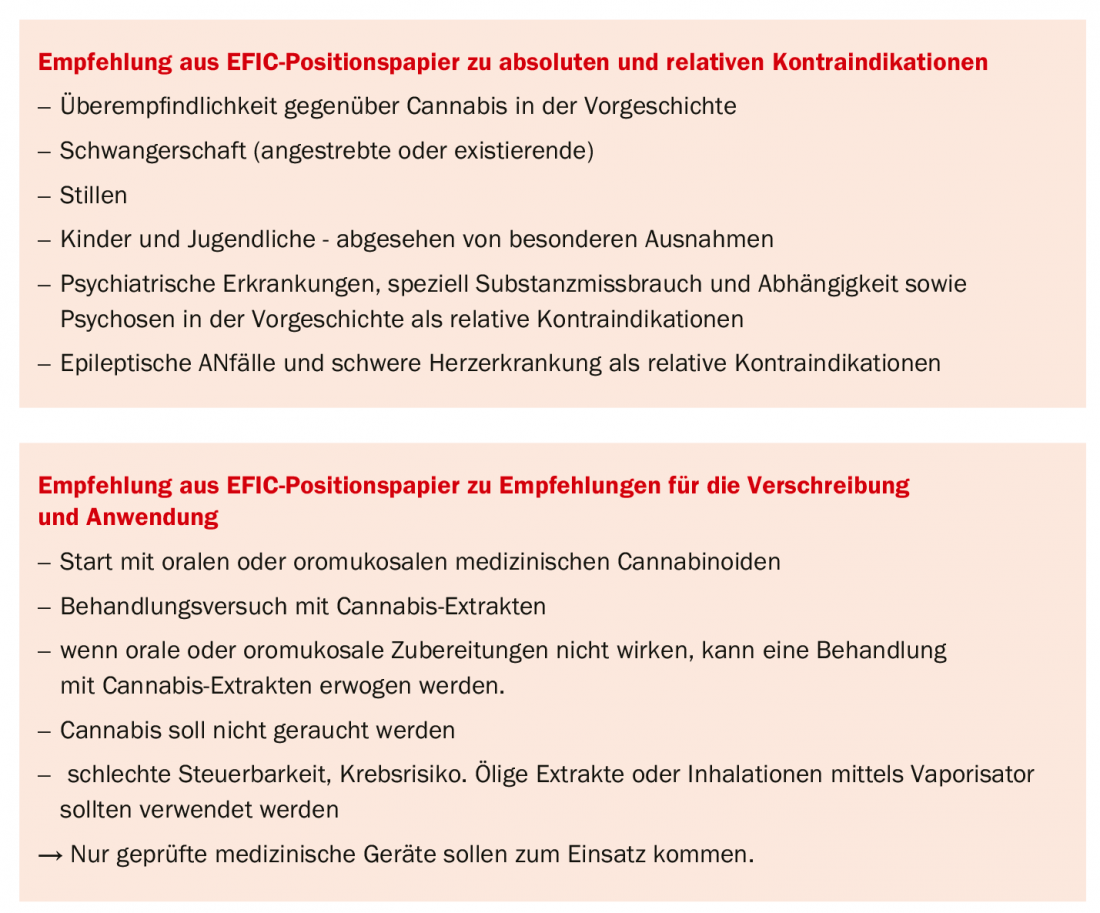


Other indications in the guideline: chemotherapy-induced nausea, Tourette’s syndrome, but also glaucoma, dystonia, Parkinson’s disease, dementia, ADHD, respiratory diseases, irritable bowel syndrome. In contrast, there is no clear recommendation for the indications bladder dysfunction and epilepsy [1]. Basically, Prof. Rolke feels that the long list of A recommendations is a bit too optimistic. Other guidelines, such as those of the German Pain Society, are more cautious – which the physician feels is justified in view of the studies. “We’re certainly allowed to be optimistic for our patients, but we should be careful not to pour it all out on them.”


Literature:

  1. Horlemann J, et al: DGS Practice Guideline Cannabis in Pain Management 2018.
  2. Häuser W, et al: Eur J Pain 2018; 22: 1547-1564.


Source: Industry Symposium “Update Medical Cannabis – From Consensus Statements to Experiences in Practice” at the Rahman of the German Pain Congress 2019 in Mannheim (D); Organizer: Tilray.


HAUSARZT PRAXIS 2019; 14(11): 36 (published 11/21/19, ahead of print).
InFo PAIN & GERIATURE 2019, 1(1): 26-27.
 

Autoren
  • Jens Dehn
Publikation
  • HAUSARZT PRAXIS
Related Topics
  • Cannabis
  • CBD
  • Hemp
  • Pain
  • THC
Previous Article
  • New in the treatment of schizophrenia

Similarities and differences among partial dopamine agonists.

  • Education
  • Neurology
  • Pharmacology and toxicology
  • RX
  • Training with partner
View Post
Next Article
  • Type 2 diabetes

Focus Heart & Kidney: Update on the 2019 ESC and ERA-EDTA Guidelines.

  • Cardiology
  • Education
  • Endocrinology and Diabetology
  • Nephrology
  • Partner Content
  • RX
View Post
You May Also Like
View Post
  • 12 min
  • The Brain and the Motivation to Eat

Why is it so hard to lose weight?

    • RX
    • CME continuing education
    • Endocrinology and Diabetology
    • General Internal Medicine
    • Nutrition
    • Pharmacology and toxicology
    • Prevention and health care
    • Psychiatry and psychotherapy
    • Studies
View Post
  • 12 min
  • Global Recommendation, Swissmedic Approval, and SL Limitation

WHO Guidelines on GLP-1 for Obesity

    • RX
    • Cardiology
    • Education
    • Endocrinology and Diabetology
    • General Internal Medicine
    • Nutrition
    • Pharmacology and toxicology
    • Prevention and health care
    • Studies
View Post
  • 7 min
  • Obesity in Children and Adolescents

Gene-Environment Interactions: Polygenic or Monogenic Determinants?

    • RX
    • Education
    • General Internal Medicine
    • Genetics
    • Nutrition
    • Pediatrics
View Post
  • 9 min
  • Congenital Vascular Malformations

Personalized Treatment Before a Planned Pregnancy

    • Cardiology
    • Angiology
    • CME continuing education
    • General Internal Medicine
    • Genetics
    • Gynecology
    • Radiology
    • Surgery
View Post
  • 18 min
  • From Risk Identification to Anti-Inflammatory Intervention

Inflammation as a Treatment Goal in Its Own Right

    • RX
    • Angiology
    • Cardiology
    • CME continuing education
    • Endocrinology and Diabetology
    • General Internal Medicine
    • Nutrition
    • Studies
View Post
  • 7 min
  • H. pylori infection: current study data

Fewer gastric carcinomas and peptic ulcers after eradication

    • RX
    • Gastroenterology and Hepatology
    • General Internal Medicine
    • Infectiology
    • Oncology
    • Studies
View Post
  • 4 min
  • From symptom to diagnosis

Pneumology – tracheal and bronchial calcifications

    • RX
    • Cases
    • Education
    • General Internal Medicine
    • Pneumology
    • Radiology
View Post
  • 3 min
  • Tinea capitis: Current Guidelines and Recommendations

What should be kept in mind when treating adult patients?

    • Dermatology and venereology
    • Education
    • Infectiology
    • Pharmacology and toxicology
    • RX
  • IBD matters

    Zum Thema
Top CME content
  • 1
    Inflammation as a Treatment Goal in Its Own Right
  • 2
    Personalized Treatment Before a Planned Pregnancy
  • 3
    Current State of Knowledge and New Therapeutic Approaches
  • 4
    Why is it so hard to lose weight?
  • 5
    Functional limb preservation between infection control, vascular medicine and resurfacing

Newsletter

Sign up and stay up to date

Subscribe
Medizinonline Medizinonline
  • Contact
  • General terms and conditions
  • Imprint

Input your search keywords and press Enter.