Medizinonline Medizinonline
  • News
    • News
    • Market & Medicine
  • Patients
    • Disease patterns
    • Diagnostics
    • Therapy
  • Partner Content
    • Dermatology
      • Atopic dermatitis and psoriasis news
    • Diabetes
      • Dia-Month Club – Type 2 Diabetes
      • Diabetes in Motion
      • Diabetes Podcasts
    • Gastroenterology
      • IBD matters
    • Oncology
      • Swiss Oncology in motion
    • Orthopedics
      • Osteoporosis in motion
  • Departments
    • Allergology and clinical immunology
    • General Internal Medicine
    • Anesthesiology
    • Angiology
    • Surgery
    • Dermatology and venereology
    • Endocrinology and Diabetology
    • Nutrition
    • Gastroenterology and Hepatology
    • Genetics
    • Geriatrics
    • Gynecology
    • Hematology
    • Infectiology
    • Cardiology
    • Nephrology
    • Neurology
    • Emergency and intensive care medicine
    • Nuclear Medicine
    • Oncology
    • Ophthalmology
    • ORL
    • Orthopedics
    • Pediatrics
    • Pharmacology and toxicology
    • Pharmaceutical medicine
    • Phlebology
    • Physical medicine and rehabilitation
    • Pneumology
    • Prevention and health care
    • Psychiatry and psychotherapy
    • Radiology
    • Forensic Medicine
    • Rheumatology
    • Sports Medicine
    • Traumatology and trauma surgery
    • Tropical and travel medicine
    • Urology
    • Dentistry
  • CME & Congresses
    • CME continuing education
    • Congress Reports
    • Congress calendar
  • Practice
    • Noctimed
    • Practice Management
    • Jobs
    • Interviews
  • Log In
  • Register
  • My account
  • Contact
  • Publications
  • Contact
  • Deutsch
  • English
  • Français
  • Italiano
  • Português
  • Español
Subscribe
Medizinonline Medizinonline
  • News
    • News
    • Market & Medicine
  • Patienten
    • Krankheitsbilder
    • Diagnostik
    • Therapie
  • Partner Content
    • Dermatology
      • Atopic dermatitis and psoriasis news
    • Diabetes
      • Dia-Month Club – Type 2 Diabetes
      • Diabetes in Motion
      • Diabetes Podcasts
    • Gastroenterology
      • IBD matters
    • Oncology
      • Swiss Oncology in motion
    • Orthopedics
      • Osteoporosis in motion
    • Phytotherapie
    • Rheumatology
  • Departments
    • Fachbereiche 1-13
      • Allergology and clinical immunology
      • General Internal Medicine
      • Anesthesiology
      • Angiology
      • Surgery
      • Dermatology and venereology
      • Endocrinology and Diabetology
      • Nutrition
      • Gastroenterology and Hepatology
      • Genetics
      • Geriatrics
      • Gynecology
      • Hematology
    • Fachbereiche 14-26
      • Infectiology
      • Cardiology
      • Nephrology
      • Neurology
      • Emergency and intensive care medicine
      • Nuclear Medicine
      • Oncology
      • Ophthalmology
      • ORL
      • Orthopedics
      • Pediatrics
      • Pharmacology and toxicology
      • Pharmaceutical medicine
    • Fachbereiche 26-38
      • Phlebology
      • Physical medicine and rehabilitation
      • Phytotherapy
      • Pneumology
      • Prevention and health care
      • Psychiatry and psychotherapy
      • Radiology
      • Forensic Medicine
      • Rheumatology
      • Sports Medicine
      • Traumatology and trauma surgery
      • Tropical and travel medicine
      • Urology
      • Dentistry
  • CME & Congresses
    • CME continuing education
    • Congress Reports
    • Congress calendar
  • Practice
    • Noctimed
    • Practice Management
    • Jobs
    • Interviews
Login

Sie haben noch keinen Account? Registrieren

  • Heart failure

SGLT2 inhibitors improve cardiovascular risk

    • Cardiology
    • Congress Reports
    • Endocrinology and Diabetology
    • RX
    • Studies
  • 2 minute read

SGLT2 inhibitors are used with great success as antidiabetic agents. However, new study data revealed a positive side effect: the drug group appears to have additional cardioprotective as well as nephropotective effects. These effects occur independently of the presence of diabetes mellitus. Presented results include evidence of reduced clinical events in chronic heart failure.

Recent study results presented at the congress on the treatment ofheart failuredemonstrate a reduction in the risk of cardiovascular death or hospitalization for SGLT2 inhibitors in heart failure with decreased ejection fraction compared with placebo. It is irrelevant whether the patient has diabetes mellitus or not. Experts agree that the now compelling evidence supports adding SGLT2 inhibitors to the therapies recommended for this condition.

The EMPEROR-Reduced study evaluated 3730 patients with mild, moderate, or severe chronic heart failure and reduced ejection fraction. Only half of the included patients suffered from concomitant diabetes mellitus. Randomization was performed in a 1:1 ratio. The serum group received empagliflozin 10 mg once daily, and the other group received placebo. The primary study end point was a composite end point of cardiovascular death and hospitalization for heart failure. Secondary end points included total hospitalizations after first and recurrent heart failure and the decline in glomerular filtration rate over time.

Significant risk reduction achieved

A significant 25% reduction in the risk of cardiovascular-related death and hospitalization for heart failure was achieved. Especially the relative reduction of hospitalizations (first events) due to heart failure with 31% is convincing. For cardiovascular mortality, there was a relative decrease of 8% with empagliflozin (10.0% vs.10.8%, HR: 0.92; 95% CI: 0.75-1.12).

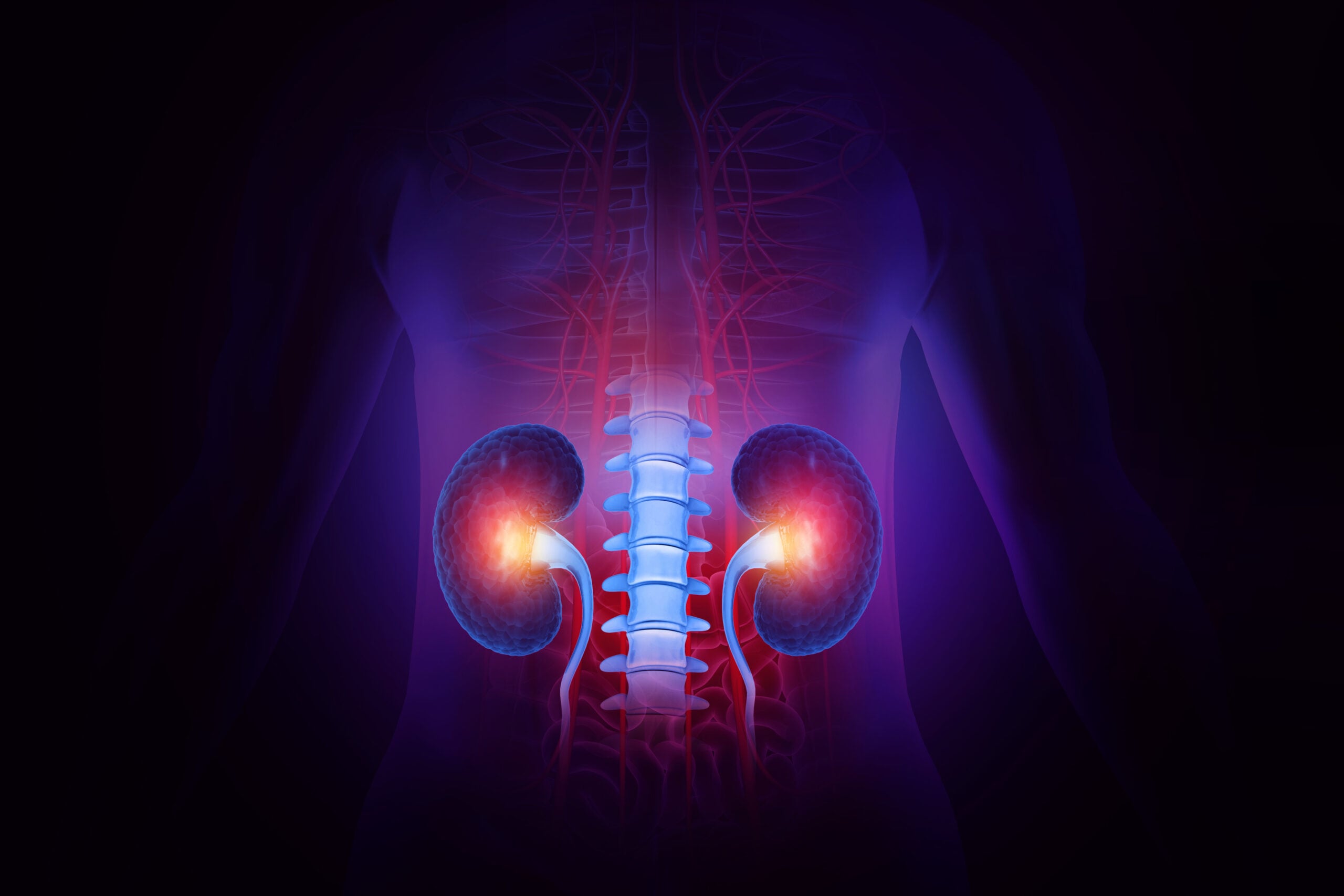
The SGLT2 inhibitor was also beneficial with regard to renal function: the decline in glomerular filtration rate in the second secondary endpoint was also significantly slowed within 16 months compared with placebo: -4.2 ml/min/1.73 m2 with placebo versus -0.9 ml/min/1.73 m2 with empagliflozin. In addition, patients treated with empagliflozin showed a lower risk of severe renal events.

Extension of the therapy management

The experts therefore advocate adding SGLT2 inhibitors to the treatment options for heart failure patients with and without diabetes and reduced ejection fraction. This requirement is supported by further positive study results. For example, a subgroup analysis demonstrated that empagliflozin not only led to weight loss in patients with acute myocardial infarction and type 2 diabetes, but also reduced intracellular, extracellular, and total body water. In addition, add-on therapy with the SGLT2 inhibitor has been shown to reduce transtubular potassium gradient (TTKG) in type 2 diabetic patients hospitalized for acute decompensated heart failure (ADHF). TTKG is associated with poor prognosis in ADHF patients.

Source: ESC 2020


Further reading:

  • Packer M, et al: New Engl J Med 2020; DOI: 10.1056/NEJMoa2022190
  • Hoshika Y, et al: effect of empagliflozin versus placebo in body composition in pateints with acute myocardial infarction and type 2 diabetes mellitus: subgroup analysis oft he EMBODY trial. ESC 2020
  • Tamaki S, et al: Effect of empagliflozin as add-on therapy on transtubular potassium concentration gradident patients with type 2 diabetes hospitalized for acute decompensated heart failure. ESC 2020


CARDIOVASC 2020; 19(4): 22 (published 7/12/20, ahead of print).

Autoren
  • Leoni Burggraf
Publikation
  • CARDIOVASC
Related Topics
  • Diabetes mellitus
  • Heart failure
  • SGLT2
Previous Article
  • Gastrointestinal tumors

Latest scientific findings and real-life data

  • Congress Reports
  • Gastroenterology and Hepatology
  • Oncology
  • RX
  • Studies
View Post
Next Article
  • Moderate and severe plaque psoriasis

From Immunopathogenesis to Highly Effective Therapies – Enduring Lesion Freedom as the Goal

  • Congress Reports
  • Dermatology and venereology
  • Genetics
  • Rheumatology
  • RX
  • Studies
View Post
You May Also Like
View Post
  • 14 min
  • "Forgotten axis" between plant substances, gut and systemic health

Microbiome and phytotherapy

    • Education
    • Endocrinology and Diabetology
    • Gastroenterology and Hepatology
    • General Internal Medicine
    • Infectiology
    • Neurology
    • Nutrition
    • Pharmaceutical medicine
    • Phytotherapy
    • RX
    • Studies
View Post
  • 4 min
  • HIV: updated EACS guideline

Individualized approach to sustainable prevention and care

    • Cardiology
    • Education
    • General Internal Medicine
    • Infectiology
    • Prevention and health care
    • RX
    • Studies
View Post
  • 5 min
  • Evidence-based diagnostics and treatment in the medical setting

Anxiety and depression disorders in adolescence

    • Education
    • Pediatrics
    • Pharmacology and toxicology
    • Psychiatry and psychotherapy
    • RX
    • Studies
View Post
  • 25 min
  • Neuroenhancement

Can you swallow intelligence? Relevant substance classes times for healthy people

    • CME continuing education
    • Neurology
    • Pharmacology and toxicology
    • Psychiatry and psychotherapy
    • RX
    • Studies
View Post
  • 9 min
  • Microbiome, inflammaging and affective/cognitive health

Gut-brain axis in old age

    • Education
    • Gastroenterology and Hepatology
    • General Internal Medicine
    • Geriatrics
    • Neurology
    • Nutrition
    • Prevention and health care
    • RX
    • Studies
View Post
  • 6 min
  • Vitiligo - the level of suffering should not be underestimated

A lot can be achieved therapeutically nowadays

    • Congress Reports
    • Dermatology and venereology
    • RX
    • Studies
View Post
  • 7 min
  • Vector-borne infections with skin manifestations

Arboviruses and leishmaniasis in Europe

    • Congress Reports
    • Infectiology
    • Prevention and health care
    • RX
    • Studies
    • Tropical and travel medicine
View Post
  • 12 min
  • Patient-centered rounds in medicine

Aligning care with the patient

    • CME continuing education
    • Education
    • General Internal Medicine
    • Prevention and health care
    • RX
    • Studies
  • IBD matters

    Zum Thema
Top CME content
  • 1
    Can you swallow intelligence? Relevant substance classes times for healthy people
  • 2
    Clinical care from birth to adulthood
  • 3
    Aligning care with the patient
  • 4
    Control instead of a flood of data: AI makes big data and wearables usable
  • 5
    Causes and prevention at work

Newsletter

Sign up and stay up to date

Subscribe
Medizinonline Medizinonline
  • Contact
  • General terms and conditions
  • Imprint

Input your search keywords and press Enter.