Medizinonline Medizinonline
  • News
    • News
    • Market & Medicine
  • Patients
    • Disease patterns
    • Diagnostics
    • Therapy
  • Partner Content
    • Dermatology
      • Atopic dermatitis and psoriasis news
    • Diabetes
      • Dia-Month Club – Type 2 Diabetes
      • Diabetes in Motion
      • Diabetes Podcasts
    • Gastroenterology
      • IBD matters
    • Oncology
      • Swiss Oncology in motion
    • Orthopedics
      • Osteoporosis in motion
  • Departments
    • Allergology and clinical immunology
    • General Internal Medicine
    • Anesthesiology
    • Angiology
    • Surgery
    • Dermatology and venereology
    • Endocrinology and Diabetology
    • Nutrition
    • Gastroenterology and Hepatology
    • Genetics
    • Geriatrics
    • Gynecology
    • Hematology
    • Infectiology
    • Cardiology
    • Nephrology
    • Neurology
    • Emergency and intensive care medicine
    • Nuclear Medicine
    • Oncology
    • Ophthalmology
    • ORL
    • Orthopedics
    • Pediatrics
    • Pharmacology and toxicology
    • Pharmaceutical medicine
    • Phlebology
    • Physical medicine and rehabilitation
    • Pneumology
    • Prevention and health care
    • Psychiatry and psychotherapy
    • Radiology
    • Forensic Medicine
    • Rheumatology
    • Sports Medicine
    • Traumatology and trauma surgery
    • Tropical and travel medicine
    • Urology
    • Dentistry
  • CME & Congresses
    • CME continuing education
    • Congress Reports
    • Congress calendar
  • Practice
    • Noctimed
    • Practice Management
    • Jobs
    • Interviews
  • Log In
  • Register
  • My account
  • Contact
  • Publications
  • Contact
  • Deutsch
  • English
  • Français
  • Italiano
  • Português
  • Español
Subscribe
Medizinonline Medizinonline
  • News
    • News
    • Market & Medicine
  • Patienten
    • Krankheitsbilder
    • Diagnostik
    • Therapie
  • Partner Content
    • Dermatology
      • Atopic dermatitis and psoriasis news
    • Diabetes
      • Dia-Month Club – Type 2 Diabetes
      • Diabetes in Motion
      • Diabetes Podcasts
    • Gastroenterology
      • IBD matters
    • Oncology
      • Swiss Oncology in motion
    • Orthopedics
      • Osteoporosis in motion
    • Phytotherapie
    • Rheumatology
  • Departments
    • Fachbereiche 1-13
      • Allergology and clinical immunology
      • General Internal Medicine
      • Anesthesiology
      • Angiology
      • Surgery
      • Dermatology and venereology
      • Endocrinology and Diabetology
      • Nutrition
      • Gastroenterology and Hepatology
      • Genetics
      • Geriatrics
      • Gynecology
      • Hematology
    • Fachbereiche 14-26
      • Infectiology
      • Cardiology
      • Nephrology
      • Neurology
      • Emergency and intensive care medicine
      • Nuclear Medicine
      • Oncology
      • Ophthalmology
      • ORL
      • Orthopedics
      • Pediatrics
      • Pharmacology and toxicology
      • Pharmaceutical medicine
    • Fachbereiche 26-38
      • Phlebology
      • Physical medicine and rehabilitation
      • Phytotherapy
      • Pneumology
      • Prevention and health care
      • Psychiatry and psychotherapy
      • Radiology
      • Forensic Medicine
      • Rheumatology
      • Sports Medicine
      • Traumatology and trauma surgery
      • Tropical and travel medicine
      • Urology
      • Dentistry
  • CME & Congresses
    • CME continuing education
    • Congress Reports
    • Congress calendar
  • Practice
    • Noctimed
    • Practice Management
    • Jobs
    • Interviews
Login

Sie haben noch keinen Account? Registrieren

  • Increased risk of dementia

Benzodiazepine therapy should be given only for a short time

    • General Internal Medicine
    • Neurology
    • Pharmacology and toxicology
    • RX
    • Studies
  • 2 minute read

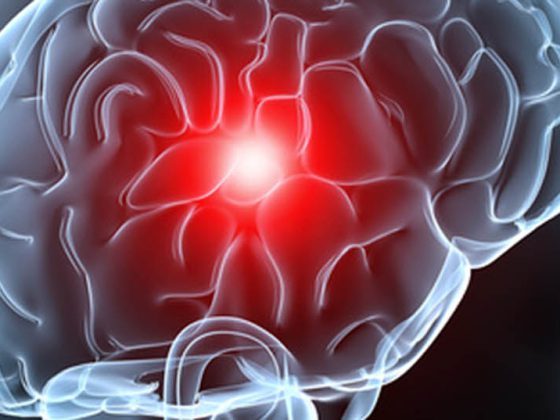
Research question: To investigate in a case-control study to what extent the use of benzodiazepines (BDP) leads to an increased risk for the occurrence of Alzheimer’s dementia. Total cumulative dose of BDP taken and prodromal syndromes such as anxiety, depression, and sleep disturbances were included as covariatesen.

Background: Approximately 36 million people worldwide currently suffer from dementia. Due to demographic trends, this number is expected to double approximately every 20 years. In 2050, 115 million dementia patients are expected worldwide, which means far-reaching social consequences and high costs. Since there are no highly effective therapies yet, prevention is essential. To date, it is already well established that BDPs can lead to passive cognitive impairment. Some studies have also suggested a possible association between dementia and BDP ingestion – but they still have methodological weaknesses.

Patients and Methods: This case-control study included 1796 patients with an initial diagnosis of AD and followed them for six years until the time of analysis. There were further 7184 control subjects matched for sex, age, and follow-up duration included in the analysis and followed up and studied accordingly. In addition, we considered confounding variables such as diabetes mellitus, hypercholesterolemia, AIDS/HIV, and other diseases.

Results: BDP use was significantly associated with an increased risk of developing AD (odds ratio 1.51 [1,36–1,69]). When anxiety, depression, and sleep disturbance are considered as covariates, the result remains significant (OR 1.43 [1,28–1,60]). The risk of developing AD while taking BDP increases with the half-life of the BDP taken (OR for long-acting BDP 1.70; for short-acting BDP 1.43), and a significant dose-response relationship is also found. If 91-180 daily doses of BDP are taken, an OR of 1.32 (1.01-1.74) is found; at >180 daily doses, the risk increases further (OR 1.84 [1,62–2,08]).

Authors’ conclusions: BDP use was significantly associated with an increased risk of developing AD (43-51% increase in risk). Because risk increases with increased cumulative BDP intake, BDPs could be directly responsible. Careless long-term use of BDP should therefore be viewed critically.

Comment: The study, like almost every study, has limitations: For example, the researchers were only able to access a database, not the patients directly. Thus, if the diagnosis was made incorrectly or delayed, this will distort the results. One might further note that cognitive deficits associated with BDP use may have been misinterpreted as dementia. However, in summary, the strengths of the study outweigh the weaknesses: very high case number, long observation period, dose-risk relationship, and control of important covariates. The result is supported by five other studies and there are several biological explanations for it: for example, the reduction of BDP receptors correlates with cognitive deficits. Furthermore, long-term use reduces the brain’s cognitive reserve capacity.

Although BDPs have important benefits in the acute treatment of, for example, anxiety disorders or sleep disorders, in light of current findings (and recommendations of international guidelines), BDP therapy should only be given for a short period of time, i.e., no longer than three months.

InFo NEUROLOGY & PSYCHIATRY 2016; 14(4): 29.

Autoren
  • PD Dr. med. Jochen Mutschler
Publikation
  • InFo NEUROLOGIE & PSYCHIATRIE
Related Topics
  • BDP
  • Benzodiazepines
  • Dementia risk
Previous Article
  • Breast and thyroid cancer

How great is the risk of a second malignancy?

  • Gynecology
  • News
  • Oncology
  • RX
  • Studies
View Post
Next Article
  • Whole brain irradiation or stereotaxy?

Options for radiotherapy in brain metastases

  • Education
  • Neurology
  • Oncology
  • Radiology
  • RX
  • Studies
View Post
You May Also Like
View Post
  • 6 min
  • Respiratory infections: viral bronchitis or bacterial pneumonia?

Old crucial question in the light of current findings

    • Congress Reports
    • General Internal Medicine
    • Infectiology
    • Pharmaceutical medicine
    • Pharmacology and toxicology
    • Phytotherapy
    • Pneumology
    • RX
View Post
  • 6 min
  • What biomarkers reveal about "biological youth" - and what not (yet)

Epigenetic ageing

    • Education
    • Genetics
    • Geriatrics
    • Prevention and health care
    • RX
    • Studies
View Post
  • 4 min
  • Amyotrophic lateral sclerosis and nutrition

Calorie optimization in ALS through digital intervention

    • Education
    • Neurology
    • Nutrition
    • RX
    • Studies
View Post
  • 14 min
  • "Forgotten axis" between plant substances, gut and systemic health

Microbiome and phytotherapy

    • Education
    • Endocrinology and Diabetology
    • Gastroenterology and Hepatology
    • General Internal Medicine
    • Infectiology
    • Neurology
    • Nutrition
    • Pharmaceutical medicine
    • Phytotherapy
    • RX
    • Studies
View Post
  • 4 min
  • HIV: updated EACS guideline

Individualized approach to sustainable prevention and care

    • Cardiology
    • Education
    • General Internal Medicine
    • Infectiology
    • Prevention and health care
    • RX
    • Studies
View Post
  • 5 min
  • Evidence-based diagnostics and treatment in the medical setting

Anxiety and depression disorders in adolescence

    • Education
    • Pediatrics
    • Pharmacology and toxicology
    • Psychiatry and psychotherapy
    • RX
    • Studies
View Post
  • 25 min
  • Neuroenhancement

Can you swallow intelligence? Relevant substance classes times for healthy people

    • CME continuing education
    • Neurology
    • Pharmacology and toxicology
    • Psychiatry and psychotherapy
    • RX
    • Studies
View Post
  • 9 min
  • Microbiome, inflammaging and affective/cognitive health

Gut-brain axis in old age

    • Education
    • Gastroenterology and Hepatology
    • General Internal Medicine
    • Geriatrics
    • Neurology
    • Nutrition
    • Prevention and health care
    • RX
    • Studies
  • IBD matters

    Zum Thema
Top CME content
  • 1
    Can you swallow intelligence? Relevant substance classes times for healthy people
  • 2
    Clinical care from birth to adulthood
  • 3
    Aligning care with the patient
  • 4
    Control instead of a flood of data: AI makes big data and wearables usable
  • 5
    Causes and prevention at work

Newsletter

Sign up and stay up to date

Subscribe
Medizinonline Medizinonline
  • Contact
  • General terms and conditions
  • Imprint

Input your search keywords and press Enter.