Medizinonline Medizinonline
  • News
    • News
    • Market & Medicine
  • Patients
    • Disease patterns
    • Diagnostics
    • Therapy
  • Partner Content
    • Dermatology
      • Atopic dermatitis and psoriasis news
    • Diabetes
      • Dia-Month Club – Type 2 Diabetes
      • Diabetes in Motion
      • Diabetes Podcasts
    • Gastroenterology
      • IBD matters
    • Oncology
      • Swiss Oncology in motion
    • Orthopedics
      • Osteoporosis in motion
  • Departments
    • Allergology and clinical immunology
    • General Internal Medicine
    • Anesthesiology
    • Angiology
    • Surgery
    • Dermatology and venereology
    • Endocrinology and Diabetology
    • Nutrition
    • Gastroenterology and Hepatology
    • Genetics
    • Geriatrics
    • Gynecology
    • Hematology
    • Infectiology
    • Cardiology
    • Nephrology
    • Neurology
    • Emergency and intensive care medicine
    • Nuclear Medicine
    • Oncology
    • Ophthalmology
    • ORL
    • Orthopedics
    • Pediatrics
    • Pharmacology and toxicology
    • Pharmaceutical medicine
    • Phlebology
    • Physical medicine and rehabilitation
    • Pneumology
    • Prevention and health care
    • Psychiatry and psychotherapy
    • Radiology
    • Forensic Medicine
    • Rheumatology
    • Sports Medicine
    • Traumatology and trauma surgery
    • Tropical and travel medicine
    • Urology
    • Dentistry
  • CME & Congresses
    • CME continuing education
    • Congress Reports
    • Congress calendar
  • Practice
    • Noctimed
    • Practice Management
    • Jobs
    • Interviews
  • Log In
  • Register
  • My account
  • Contact
  • Publications
  • Contact
  • Deutsch
  • English
  • Français
  • Italiano
  • Português
  • Español
Subscribe
Medizinonline Medizinonline
  • News
    • News
    • Market & Medicine
  • Patienten
    • Krankheitsbilder
    • Diagnostik
    • Therapie
  • Partner Content
    • Dermatology
      • Atopic dermatitis and psoriasis news
    • Diabetes
      • Dia-Month Club – Type 2 Diabetes
      • Diabetes in Motion
      • Diabetes Podcasts
    • Gastroenterology
      • IBD matters
    • Oncology
      • Swiss Oncology in motion
    • Orthopedics
      • Osteoporosis in motion
    • Phytotherapie
    • Rheumatology
  • Departments
    • Fachbereiche 1-13
      • Allergology and clinical immunology
      • General Internal Medicine
      • Anesthesiology
      • Angiology
      • Surgery
      • Dermatology and venereology
      • Endocrinology and Diabetology
      • Nutrition
      • Gastroenterology and Hepatology
      • Genetics
      • Geriatrics
      • Gynecology
      • Hematology
    • Fachbereiche 14-26
      • Infectiology
      • Cardiology
      • Nephrology
      • Neurology
      • Emergency and intensive care medicine
      • Nuclear Medicine
      • Oncology
      • Ophthalmology
      • ORL
      • Orthopedics
      • Pediatrics
      • Pharmacology and toxicology
      • Pharmaceutical medicine
    • Fachbereiche 26-38
      • Phlebology
      • Physical medicine and rehabilitation
      • Phytotherapy
      • Pneumology
      • Prevention and health care
      • Psychiatry and psychotherapy
      • Radiology
      • Forensic Medicine
      • Rheumatology
      • Sports Medicine
      • Traumatology and trauma surgery
      • Tropical and travel medicine
      • Urology
      • Dentistry
  • CME & Congresses
    • CME continuing education
    • Congress Reports
    • Congress calendar
  • Practice
    • Noctimed
    • Practice Management
    • Jobs
    • Interviews
Login

Sie haben noch keinen Account? Registrieren

  • Quality of life with hyperhidrosis - HidroQoL

Questionnaire for measuring progress and results proves its worth

    • Congress Reports
    • Dermatology and venereology
    • RX
    • Studies
  • 3 minute read

The subjective assessment of patients is increasingly coming into focus in order to evaluate and optimize therapies. Patient-Reported Outcomes (PRO), such as the recording of quality of life, are thus also gaining in importance. After the “HidroQoL” had already been psychometrically validated in previous studies, a current research project focused on the “Minimally clinically important difference” (MCID). This parameter reflects clinically relevant differences.

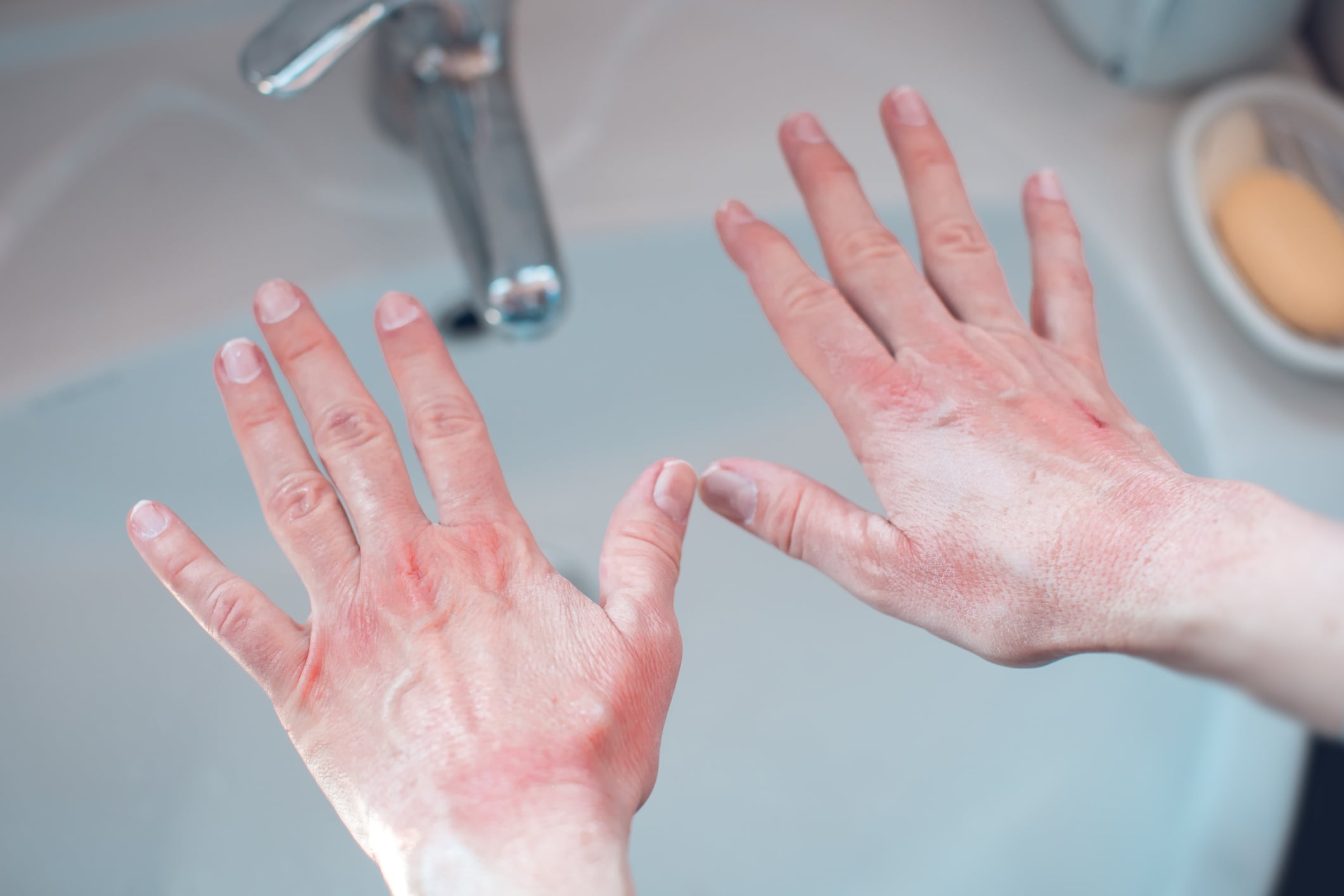
Excessive sweating can be very distressing for sufferers and can be associated with significant social and occupational limitations. In most cases, patients with primary hyperhidrosis suffer from a focal form. This means that sufferers sweat excessively mainly in single areas. The classic localizations include the armpits, palms of the hands, soles of the feet or forehead.

Improvement of quality of life as an important therapeutic goal

Treatment options for focal hyperhidrosis range from aluminum salts or glycopyrronium to iontophoresis, surgical measures or laser, and botulinum toxin. The Hyperhidrosis Quality of Life Index (HidroQoL) can be used to assess quality of life in a structured manner (box) .[1,2]. This patient-reported outcome (PRO) tool has performed very well in previous studies with respect to important psychometric properties such as structural validity, internal consistency, and other methodological quality criteria [1–3] (Box). When using PRO to assess changes in the course of therapy, the fundamental question arises as to which change should be considered medically relevant when a PRO is measured repeatedly during treatment.

Coverage of Least Significant Difference (MCID/MID).

The concept of “minimal clinically important difference” (MCID) or “minimal important difference” (MID) describes the smallest difference in a respective area that patients perceive as beneficial. It is a kind of threshold to identify a medically relevant change in patients’ condition [2].

On the occasion of this year’s annual meeting of the Arbeitsgemeinschaft für Dermatologische Forschung (ADF) in Innsbruck, a research project analyzing the MID regarding the HidroQoL was presented [3].

Conclusion: HidroQoL is a very change-sensitive PRO tool

The analysis is based on data from a clinical trial. In total, the sample consisted of 357 patients. Measurements were taken at weeks 4, 8, 12, 28, 52, 72. Changes in HidroQoL levels were correlated with changes in disease severity (“Hyperhidrosis Disease Severity”, HDSS), in the “Dermatology Life Quality Index” (DLQI), and with sweat production determined by gravimetry (measurement of excreted sweat volume using filter paper and fine balance)** [2]. The correlation was high (r≥0.916).

** Follow-up period of 72 weeks

The HidroQoL showed responsiveness or sensitivity to change at each measurement time point. Anchor-based methods, among others, were used to determine the “minimal important difference” (MID). Thus, MID values were defined for each measurement time point. These increased over time and ranged from 6 to 11 from week 4 to 72. The increase in MID values over time was due to treatment interventions and patient benefit.

While the HDSS is divided into four severity levels, the HidroQoL measures quality of life using 18 items (box) . Consistent with the 2021 data analysis published in the British Journal of Dermatology , HidroQoL scores improved even when no change was manifested in HDSS scores. This shows that the HidroQoL is a highly change-sensitive measurement tool, which is an important aspect for measuring the course and outcome of therapeutic treatments in clinical and research settings [2,3].

Congress: Annual Meeting of the Working Group of Dermatological Research

Literature:

  1. Kamudoni P: Development, Validation and Clinical Application of a Patient-reported Outcome Measure in Hyperhidrosis: The Hyperhidrosis Quality of Life Index (HidroQoL©). PhD thesis. Cardiff: Cardiff University, School of Pharmacy and Pharmaceutical Sciences; 2014.
  2. Gabes M, et al.: Hyperhidrosis Quality of Life Index (HidroQoL©): further validation and clinical application in patients with axillary hyperhidrosis using data from a phase III randomized controlled trial, British Journal of Dermatology 2021; 184(3): 473–481.
  3. Gabes M, et al.: Longitudinal validity of the Hyperhidrosis Quality of Life Index (HidroQoL): responsiveness and MID values over time using data from a phase III b clinical trial, P075, ADF Jahrestagung 22.–25.02.2023.

DERMATOLOGIE PRAXIS 2023; 33(2): 31

Autoren
  • Mirjam Peter, M.Sc.
Publikation
  • DERMATOLOGIE PRAXIS
Related Topics
  • HidroQoL
  • Hyperhidrosis
  • MCID
  • Minimally clinically important difference
  • Outcome measurement
  • Patient-Reported Outcomes
  • primary axillary hyperhidrosis
  • PRO
  • Progress measurement
  • Quality of life
  • Questionnaire
Previous Article
  • Medicalonline

Long-term data on upadacitinib show a consistent safety profile and no new safety signals [1].

  • Partner Content
  • Rheumatology
  • RX
View Post
Next Article
  • VTE PREDICT risk score

Estimation of benefits and harms of extended anticoagulation

  • Cardiology
  • Education
  • RX
  • Studies
View Post
You May Also Like
View Post
  • 6 min
  • What biomarkers reveal about "biological youth" - and what not (yet)

Epigenetic ageing

    • Education
    • Genetics
    • Geriatrics
    • Prevention and health care
    • RX
    • Studies
View Post
  • 4 min
  • Amyotrophic lateral sclerosis and nutrition

Calorie optimization in ALS through digital intervention

    • Education
    • Neurology
    • Nutrition
    • RX
    • Studies
View Post
  • 14 min
  • "Forgotten axis" between plant substances, gut and systemic health

Microbiome and phytotherapy

    • Education
    • Endocrinology and Diabetology
    • Gastroenterology and Hepatology
    • General Internal Medicine
    • Infectiology
    • Neurology
    • Nutrition
    • Pharmaceutical medicine
    • Phytotherapy
    • RX
    • Studies
View Post
  • 4 min
  • HIV: updated EACS guideline

Individualized approach to sustainable prevention and care

    • Cardiology
    • Education
    • General Internal Medicine
    • Infectiology
    • Prevention and health care
    • RX
    • Studies
View Post
  • 5 min
  • Evidence-based diagnostics and treatment in the medical setting

Anxiety and depression disorders in adolescence

    • Education
    • Pediatrics
    • Pharmacology and toxicology
    • Psychiatry and psychotherapy
    • RX
    • Studies
View Post
  • 25 min
  • Neuroenhancement

Can you swallow intelligence? Relevant substance classes times for healthy people

    • CME continuing education
    • Neurology
    • Pharmacology and toxicology
    • Psychiatry and psychotherapy
    • RX
    • Studies
View Post
  • 9 min
  • Microbiome, inflammaging and affective/cognitive health

Gut-brain axis in old age

    • Education
    • Gastroenterology and Hepatology
    • General Internal Medicine
    • Geriatrics
    • Neurology
    • Nutrition
    • Prevention and health care
    • RX
    • Studies
View Post
  • 6 min
  • Vitiligo - the level of suffering should not be underestimated

A lot can be achieved therapeutically nowadays

    • Congress Reports
    • Dermatology and venereology
    • RX
    • Studies
  • IBD matters

    Zum Thema
Top CME content
  • 1
    Can you swallow intelligence? Relevant substance classes times for healthy people
  • 2
    Clinical care from birth to adulthood
  • 3
    Aligning care with the patient
  • 4
    Control instead of a flood of data: AI makes big data and wearables usable
  • 5
    Causes and prevention at work

Newsletter

Sign up and stay up to date

Subscribe
Medizinonline Medizinonline
  • Contact
  • General terms and conditions
  • Imprint

Input your search keywords and press Enter.