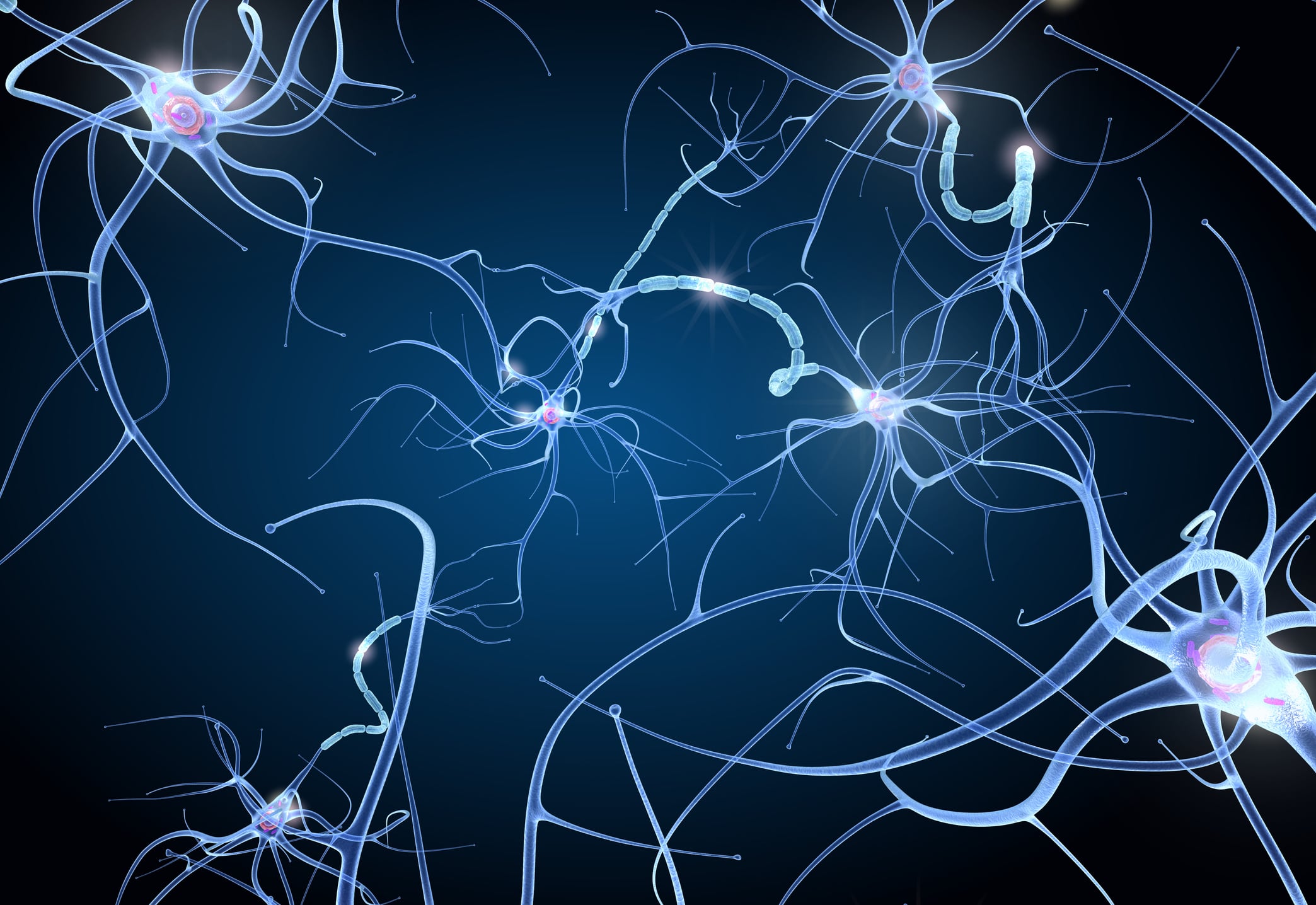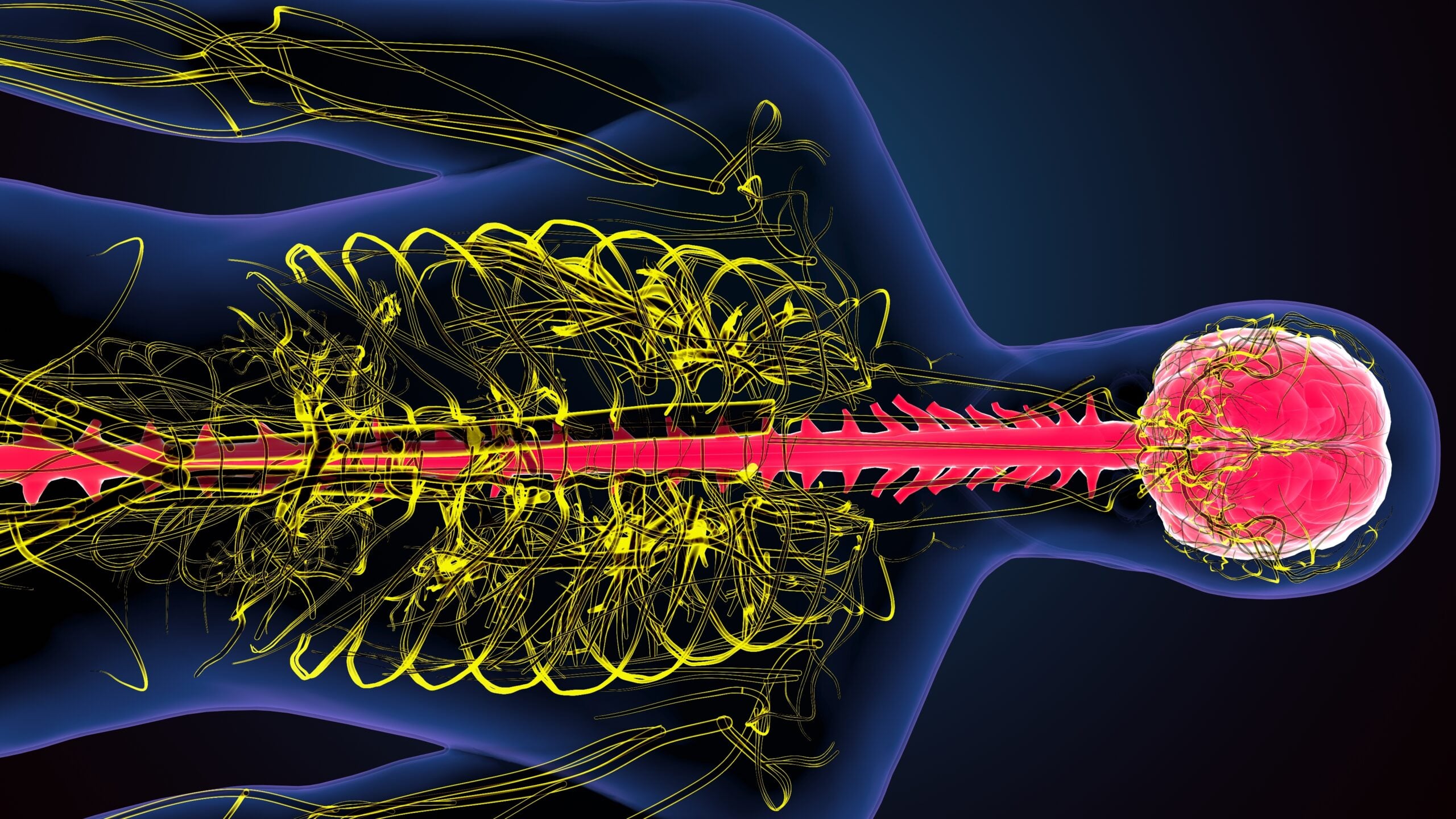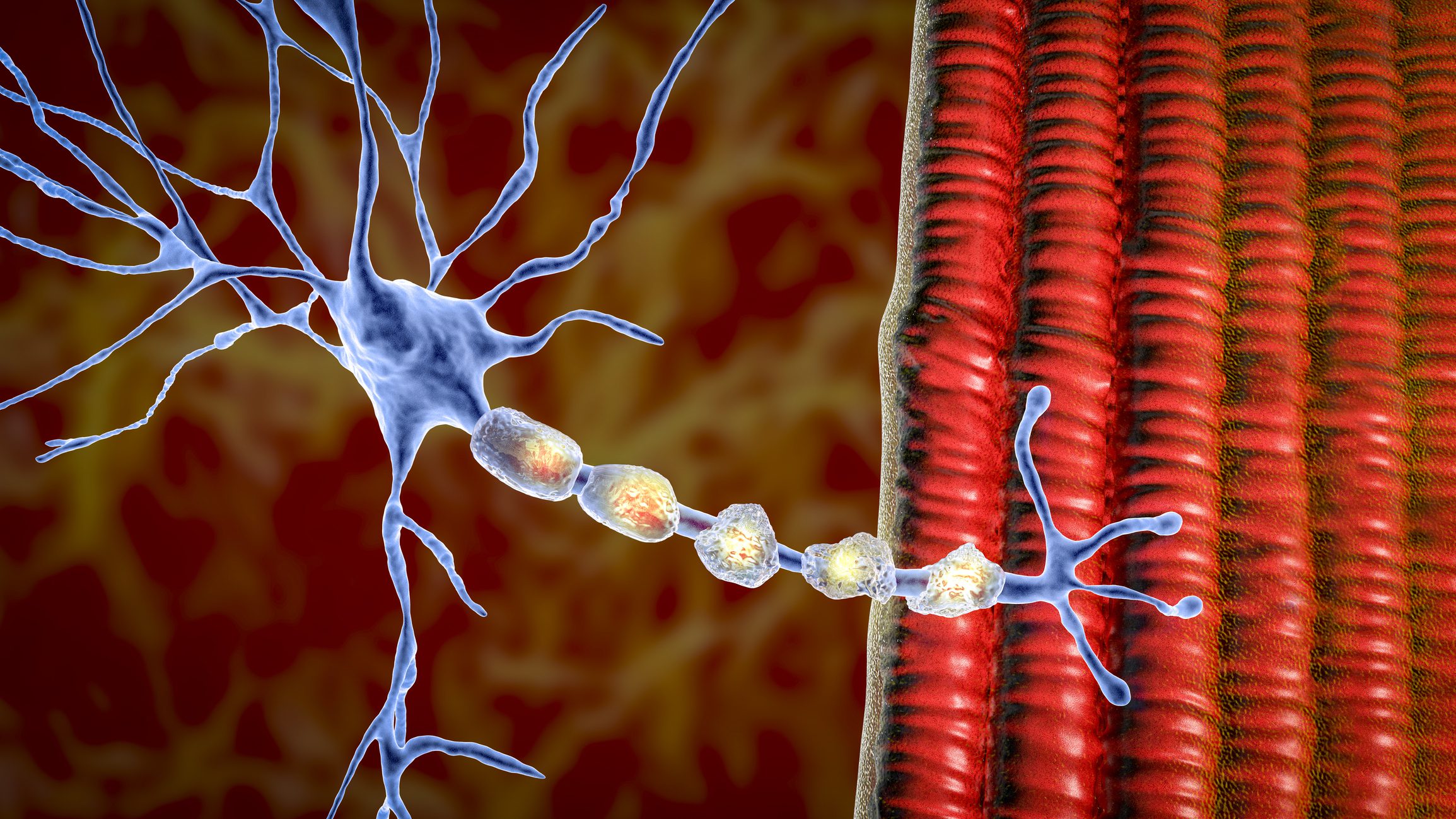
Amyotrophic lateral sclerosis (ALS) is a rapidly progressing, as yet incurable neurodegenerative disease that poses considerable medical, therapeutic and social challenges. Despite its comparatively low prevalence, ALS represents a central issue in neurological research due to its complexity and severity. New findings on molecular pathogenesis, the role of genetic factors and the development of innovative therapeutic strategies open up promising prospects for diagnosis, treatment and care.
Autoren
- Tanja Schliebe
Publikation
- InFo NEUROLOGIE & PSYCHIATRIE

Related Topics
You May Also Like
- SURPASS-CVOT
Tirzepatide versus Dulaglutide in T2D with ASCVD
- Secondary prevention after ACS: individually optimized lipid management
Trend towards early combination therapy and new strategies for lowering Lp(a)
- Pediatric Brain Tumors
Psychiatry versus Neuro-Oncology: Diagnostic Pitfalls
- What the latest studies on the entire EF spectrum mean for clinical practice
Heart Failure – The 2026 Evidence Update
- Acute ischemic stroke
Alteplase and Tenecteplase Are on the Same Level
- CKD in People with Type 2 Diabetes: Evidence-Based, Optimized Treatment
SGLT-2 inhibitors and GLP-1 receptor agonists: significant improvement in renal outcomes
- Wearables: screening via smartwatch?
New study on atrial fibrillation in high-risk patients
- Peristomal skin health