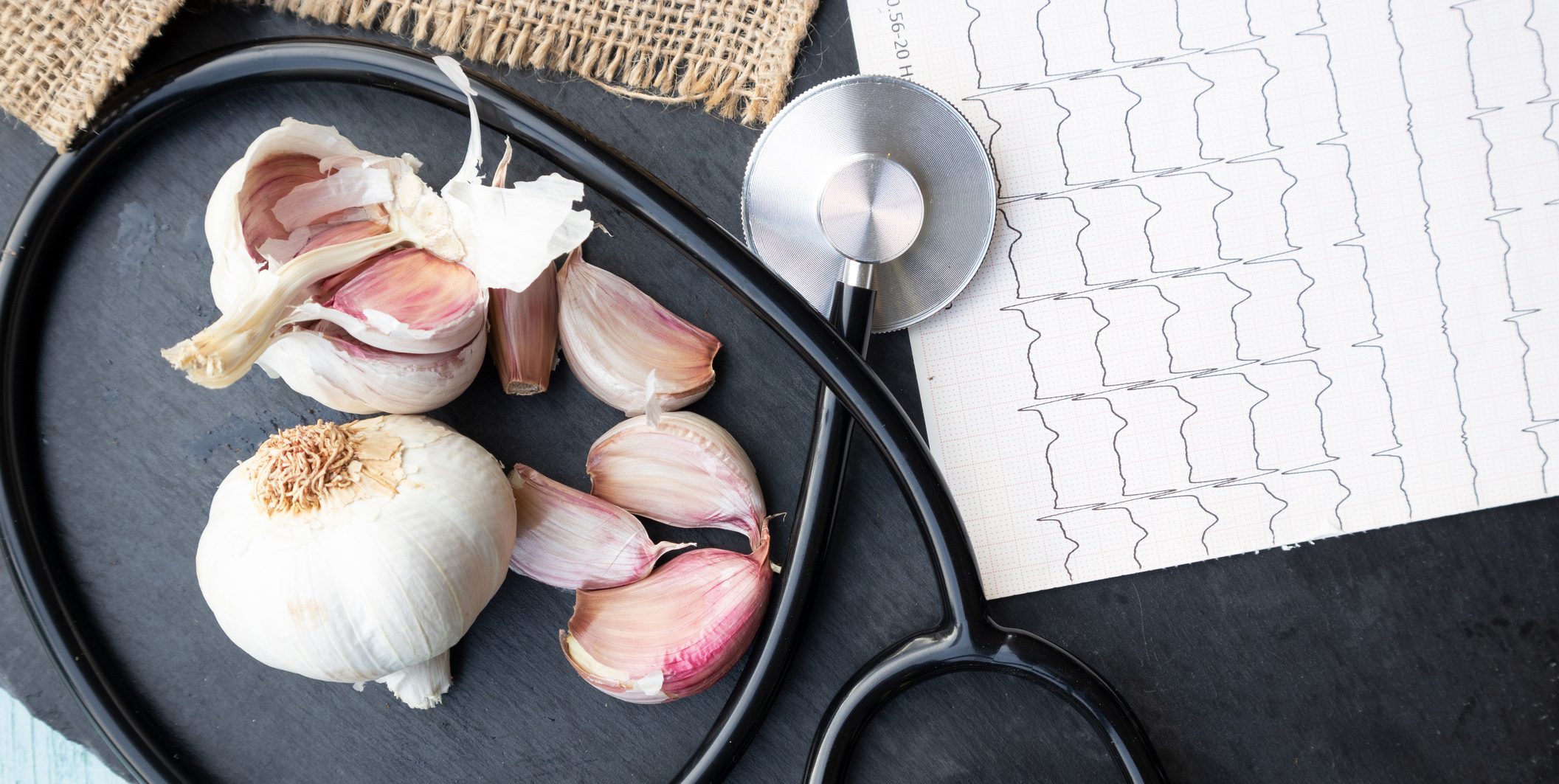
Arterial hypertension is a key risk factor for the development of cardiovascular disease worldwide. It is one of the most frequently diagnosed conditions in GP care and requires consistent, guideline-based treatment. Despite the good efficacy and availability of classic antihypertensives, however, blood pressure control in daily practice often remains inadequate. The search for supportive or alternative forms of therapy is therefore becoming increasingly important. Against this background, garlic (Allium sativum) is increasingly coming into focus.
Autoren
- Tanja Schliebe
Publikation
- PHYTOTHERAPIE PRAXIS

Related Topics
You May Also Like
- From symptom to diagnosis
Renal cell carcinoma
- Lipid management: ESC/EAS guideline update 2025
New recommendations on CVD risk classification, lipid lowering in statin intolerance and hoFH
- Chronically active MS lesions
New paradigm in the diagnosis and treatment of multiple sclerosis
- AI in neurology
Control instead of a flood of data: AI makes big data and wearables usable
- Participation of the patient
Adherence in psychiatry
- Eosinophilic esophagitis
EoE rarely occurs in isolation
- Lung cancer with EGFR mutation
New perspectives in first-line therapy
- Sleep disorder