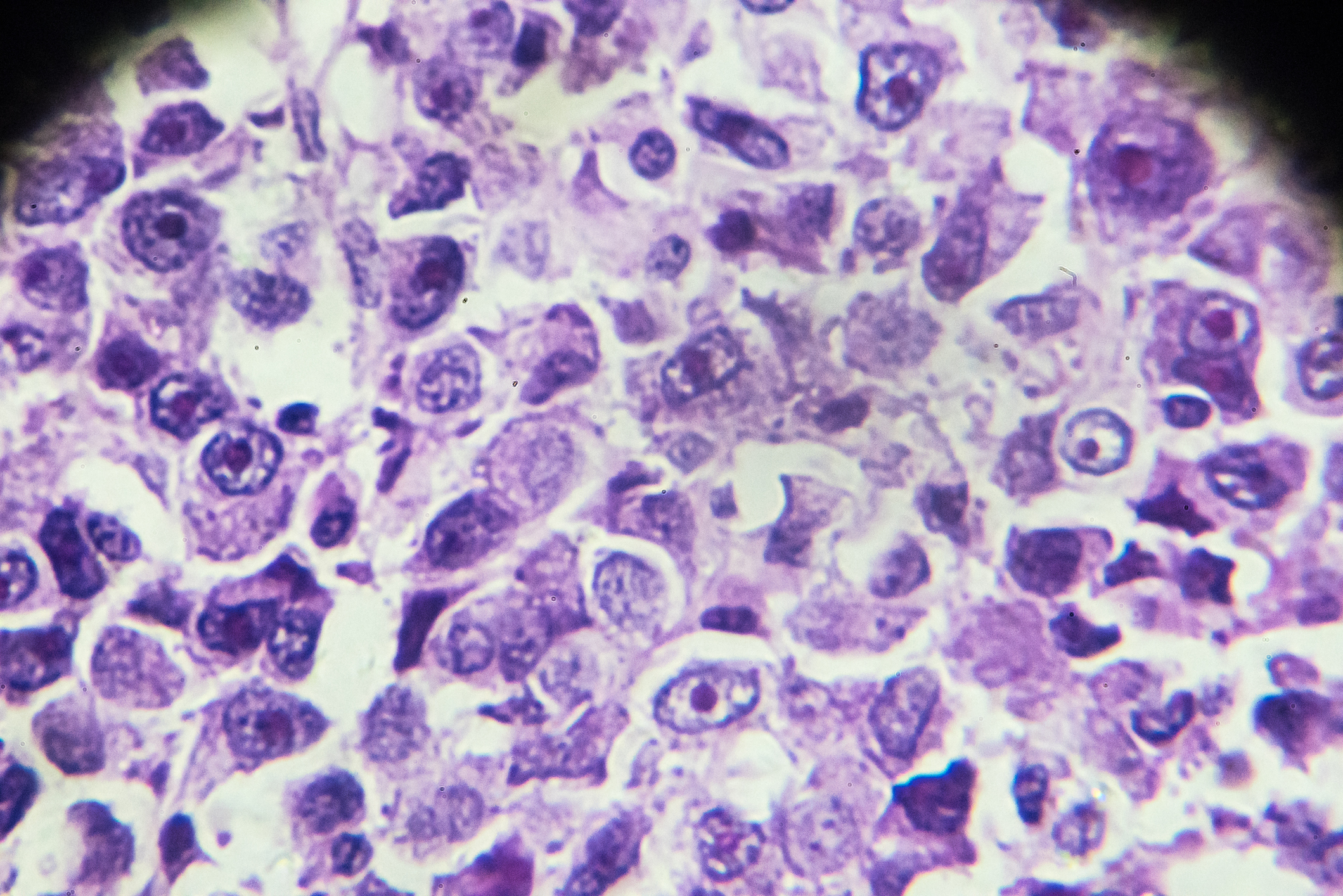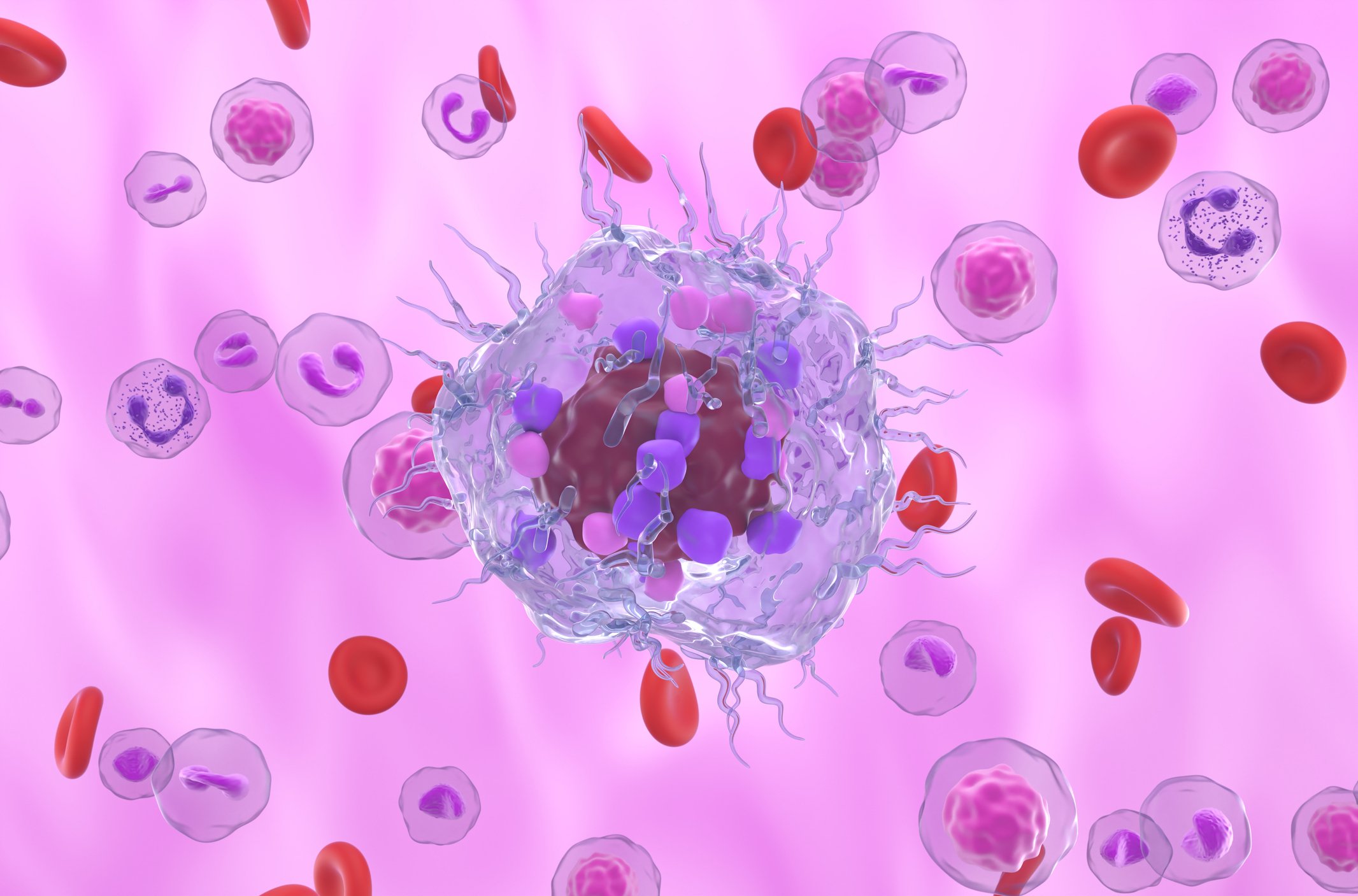
Thanks to modern imaging and molecular characterization, neuroendocrine tumours can now be detected and classified in a much more targeted manner. New therapeutic procedures such as radioligand therapy and targeted drugs are increasingly enabling individualized treatment strategies.
Autoren
- Dr. oec. Odile Schwarz-Herion
Publikation
- InFo ONKOLOGIE & HÄMATOLOGIE
Related Topics
- ENETS
- ENETS-certified center Inselspital Bern
- gastroenteropancreatic NET peptide receptor radionuclide therapy (PRRT)
- heterogeneous group of neoplasms
- Hormone-producing cells of the neuroendocrine system
- NET histopathological and immunohistochemical examinations
- NET localizations of the gynaecological tract
- NET precise morphological and molecular characterization
- NET somatostatin receptor expression
- NET Somatostatin receptor PET/CT
- NET Tumor Biology
- NET University Hospital Zurich
- Neuroendocrine tumors (NET)
- SeqEveRIV study
- SwissNET
You May Also Like
- Current evidence, risk classes and new counseling options
Hormonal contraception and cardiovascular risk
- Acute otitis media: self-limiting course vs. "red flags"
In which cases are antibiotics necessary?
- Prurigo nodularis: evidence-based treatment
Targeted therapy options on the rise
- MACE risk, heart failure incidence and all-cause mortality
Metabolic syndrome as a cardiovascular risk factor
- Glaucoma in old age: slowing down progression
IOP lowering is currently the only evidence-based treatment
- Vector-borne infections with skin manifestations
Arboviruses and leishmaniasis in Europe
- Multimorbidity and functional capacity in old age
Clarify individual health status and reduce risks
- Tick season: danger from early summer meningoencephalitis