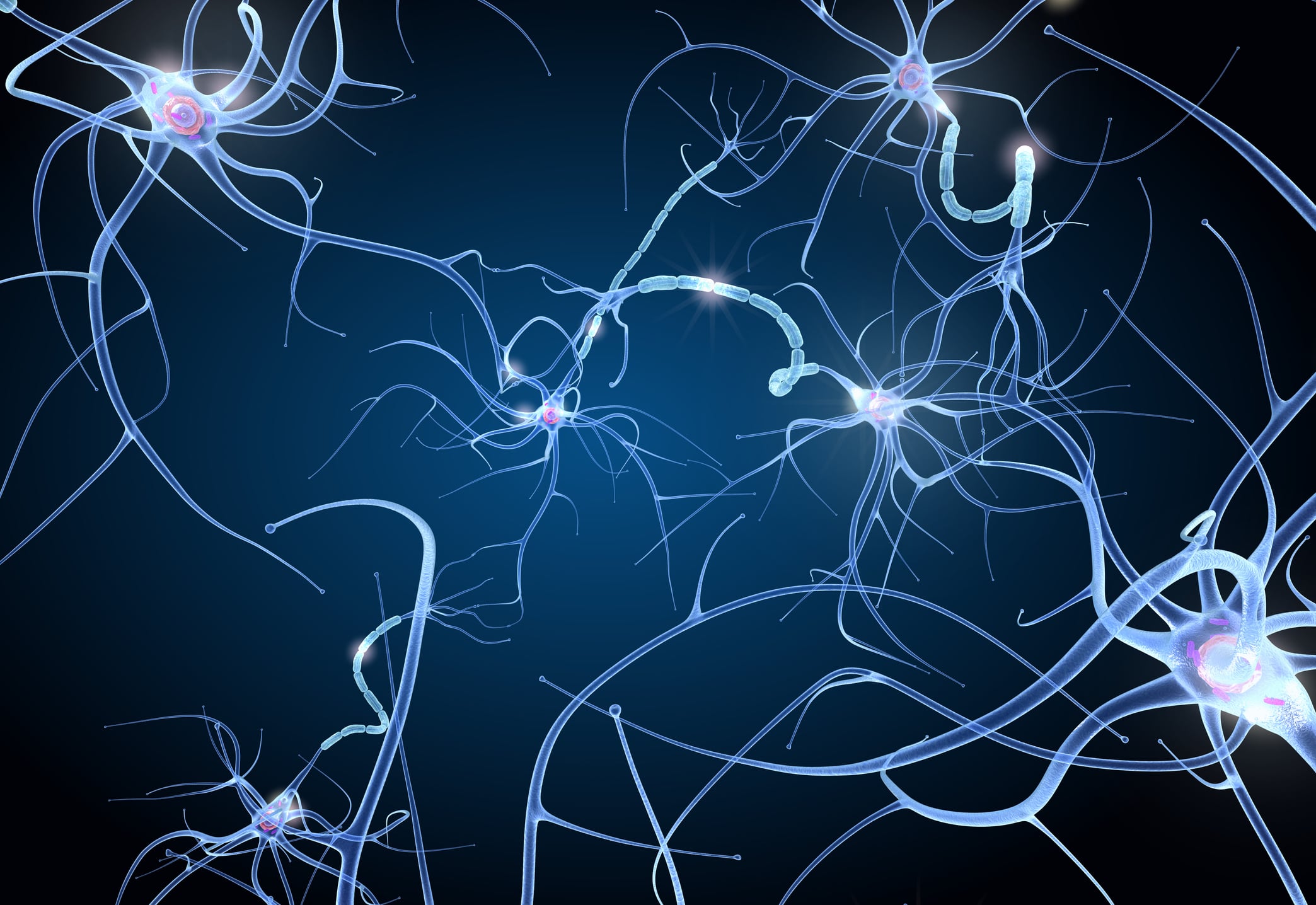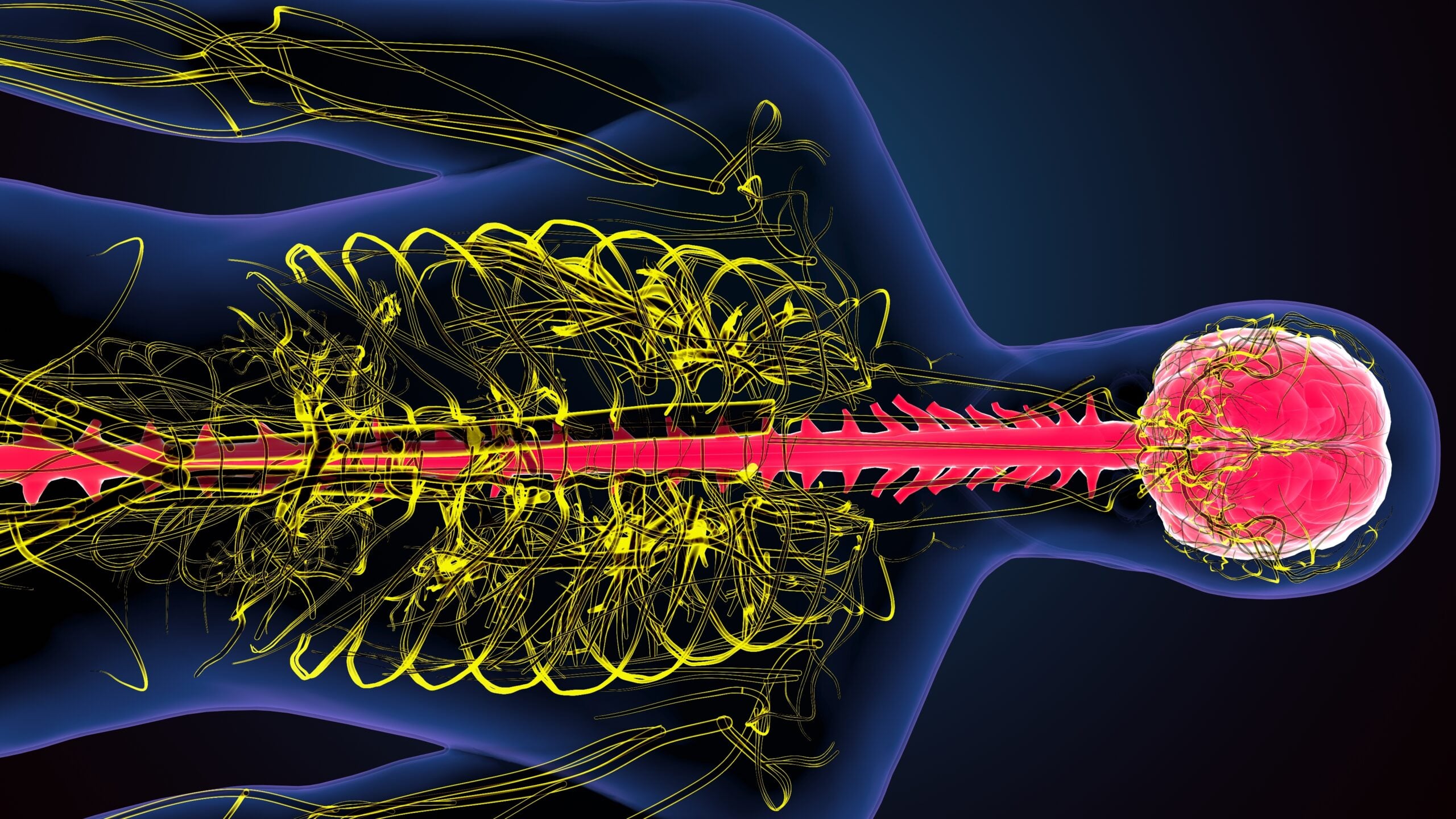
In contrast to neurotypical patients, the brains of neurodivergent people develop differently from the norm. Autism is defined as a form of neurodivergence. For them, deviant stimulus processing is the rule and a central but often underestimated feature of their disorder. Those affected often show an over- or under-responsiveness to sensory stimuli and an intense interest in sensory experiences. If an autism spectrum disorder is not recognized, this can lead to serious misdiagnosis, incorrect treatment and counter-indicated interventions.
Autoren
- Dipl. Psych. Kristina Marquass
- M.Sc. Psych. Cirsten Bauer
Publikation
- InFo RHEUMATOLOGIE
Related Topics
You May Also Like
- Hereditary Transthyretin Amyloidosis with Polyneuropathy
New Treatment Options for ATTRv-PN
- Type 1 Diabetes: A New Disease-Modifying Treatment Approach
Slowing the loss of β-cell function and delaying the progression of the disease
- Liver Cancer
Artificial Intelligence in Precision Oncology—Opportunities and Challenges
- Acute nonspecific back pain
Implementing a biopsychosocial approach
- Psychedelic-assisted therapy
Current status of PAT
- Neuropathic Pain
Evidence-Based Neuromodulation Based on Clinical Trials and Real-World Data
- Fibromyalgia Syndrome
Development, Diagnosis, Epidemiology, and Treatment of a Disease Entity
- Juvenile Idiopathic Arthritis