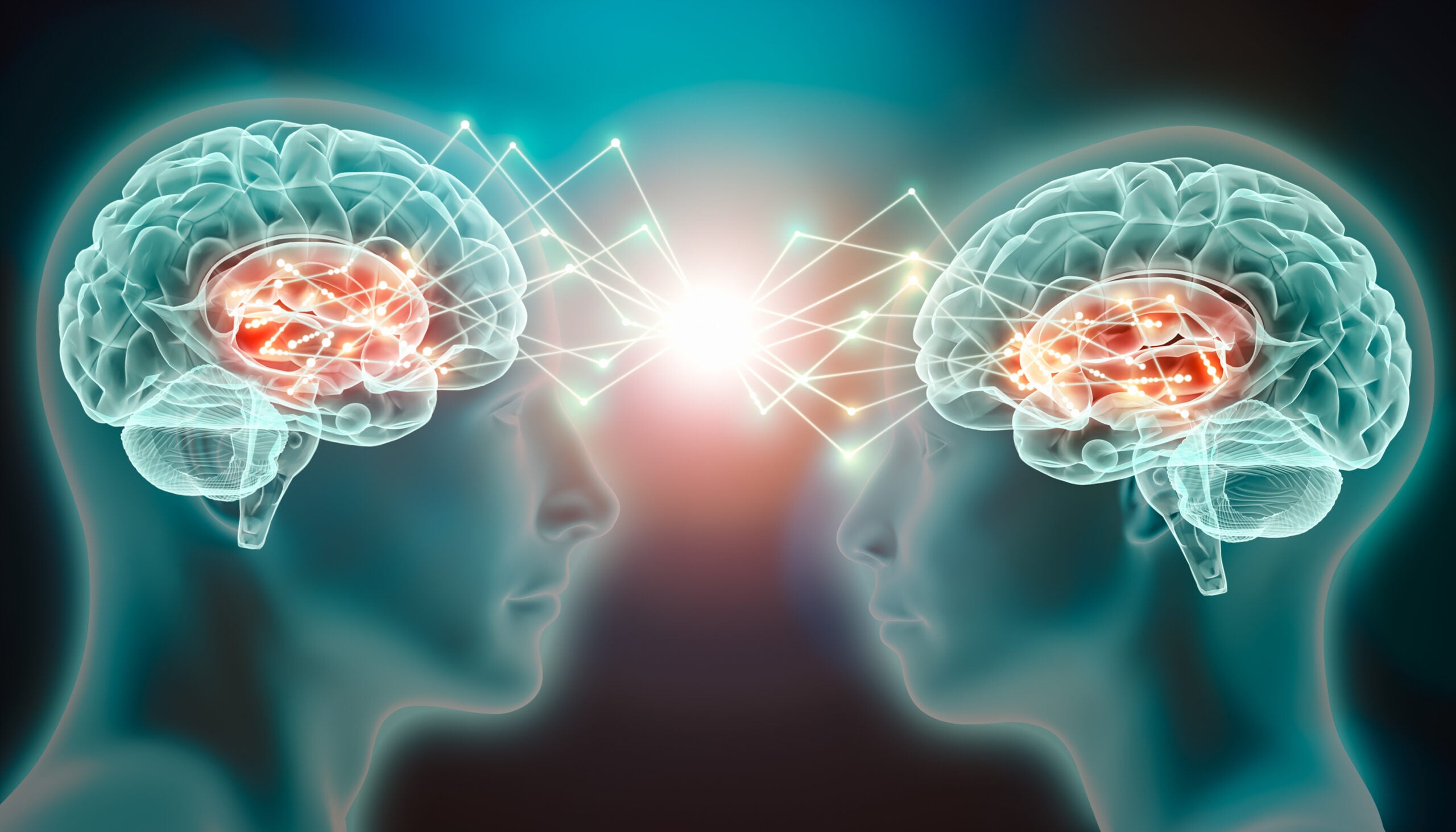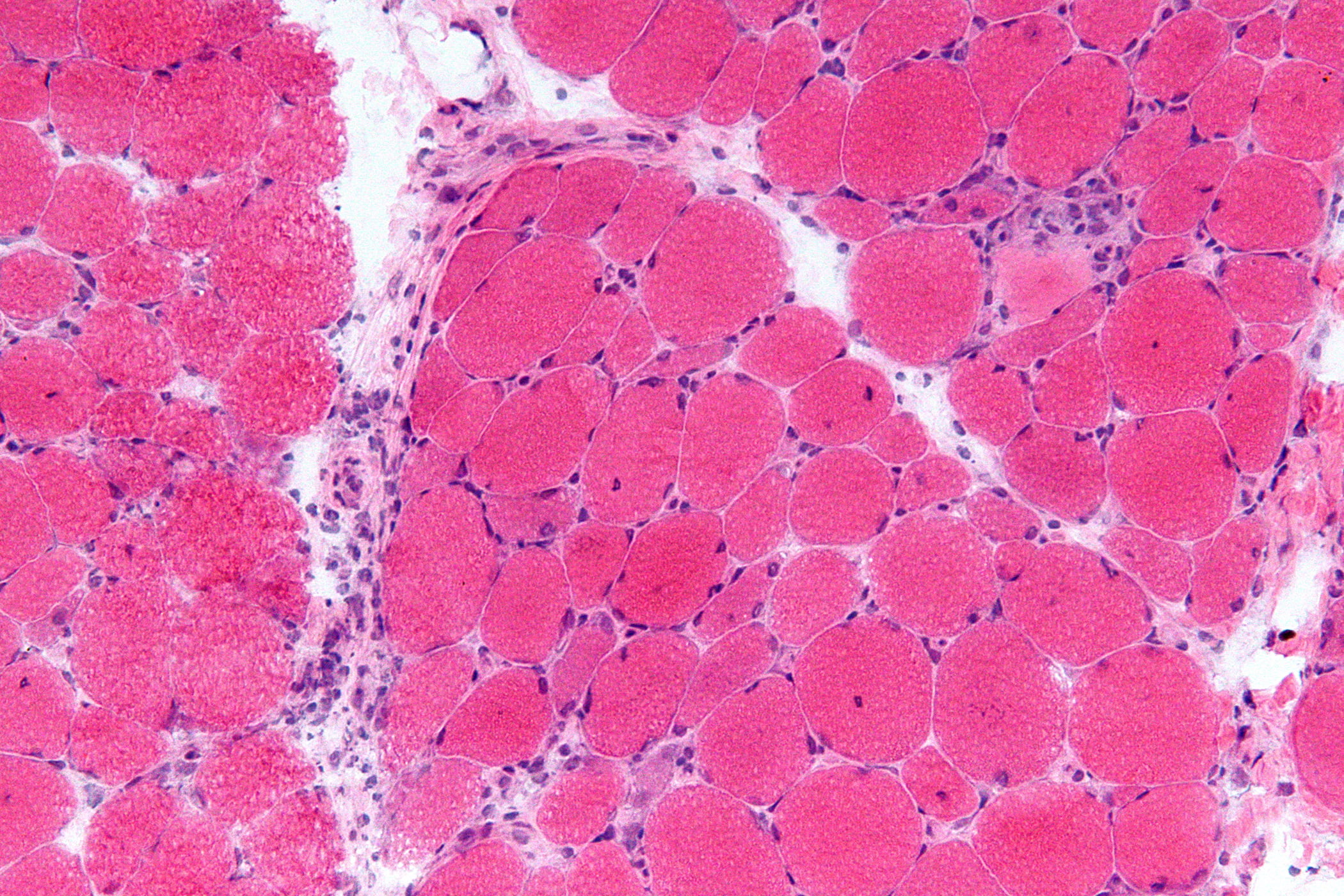
In contrast to neurotypical patients, the brains of neurodivergent people develop differently from the norm. Autism is defined as a form of neurodivergence. For them, deviant stimulus processing is the rule and a central but often underestimated feature of their disorder. Those affected often show an over- or under-responsiveness to sensory stimuli and an intense interest in sensory experiences. If an autism spectrum disorder is not recognized, this can lead to serious misdiagnosis, incorrect treatment and counter-indicated interventions.
Autoren
- Dipl. Psych. Kristina Marquass
- M.Sc. Psych. Cirsten Bauer
Publikation
- InFo RHEUMATOLOGIE

Related Topics
You May Also Like
- Prurigo nodularis: evidence-based treatment
Targeted therapy options on the rise
- MACE risk, heart failure incidence and all-cause mortality
Metabolic syndrome as a cardiovascular risk factor
- Glaucoma in old age: slowing down progression
IOP lowering is currently the only evidence-based treatment
- Vector-borne infections with skin manifestations
Arboviruses and leishmaniasis in Europe
- Multimorbidity and functional capacity in old age
Clarify individual health status and reduce risks
- Tick season: danger from early summer meningoencephalitis
TBE vaccination recommended for adults and children aged 3 and over
- New WHO guideline, updated stimulation protocols, focus on PGT-A
Fertility and reproductive medicine 2026
- Proteins in wound healing