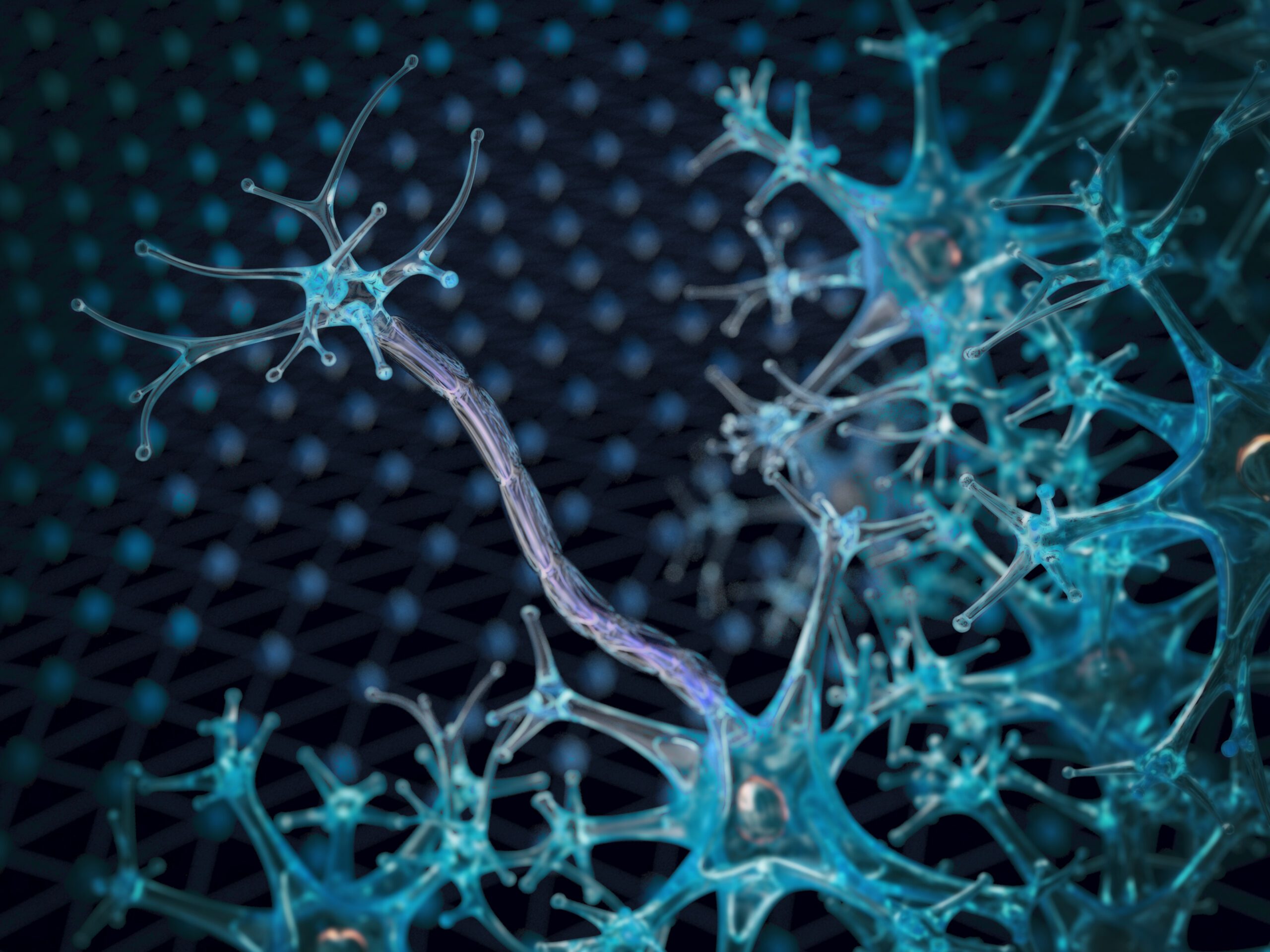
The progressive forms of multiple sclerosis – primary progressive MS (PPMS) and secondary progressive MS (SPMS) – have presented neurologists with particular challenges for decades. Unlike relapsing-remitting MS (RRMS), where inflammation control through disease-modifying therapies is now the clinical standard, therapeutic progress in the progressive spectrum remains fragmentary. In recent years, however, new approaches have emerged: from targeted immunomodulators, Bruton’s tyrosine kinase inhibitors and remyelination strategies to innovative cell and gene therapies.
Autoren
- Tanja Schliebe
Publikation
- InFo NEUROLOGIE & PSYCHIATRIE
Related Topics
You May Also Like
- "Forgotten axis" between plant substances, gut and systemic health
Microbiome and phytotherapy
- HIV: updated EACS guideline
Individualized approach to sustainable prevention and care
- Evidence-based diagnostics and treatment in the medical setting
Anxiety and depression disorders in adolescence
- Neuroenhancement
Can you swallow intelligence? Relevant substance classes times for healthy people
- Microbiome, inflammaging and affective/cognitive health
Gut-brain axis in old age
- Vitiligo - the level of suffering should not be underestimated
A lot can be achieved therapeutically nowadays
- Vector-borne infections with skin manifestations
Arboviruses and leishmaniasis in Europe
- Patient-centered rounds in medicine