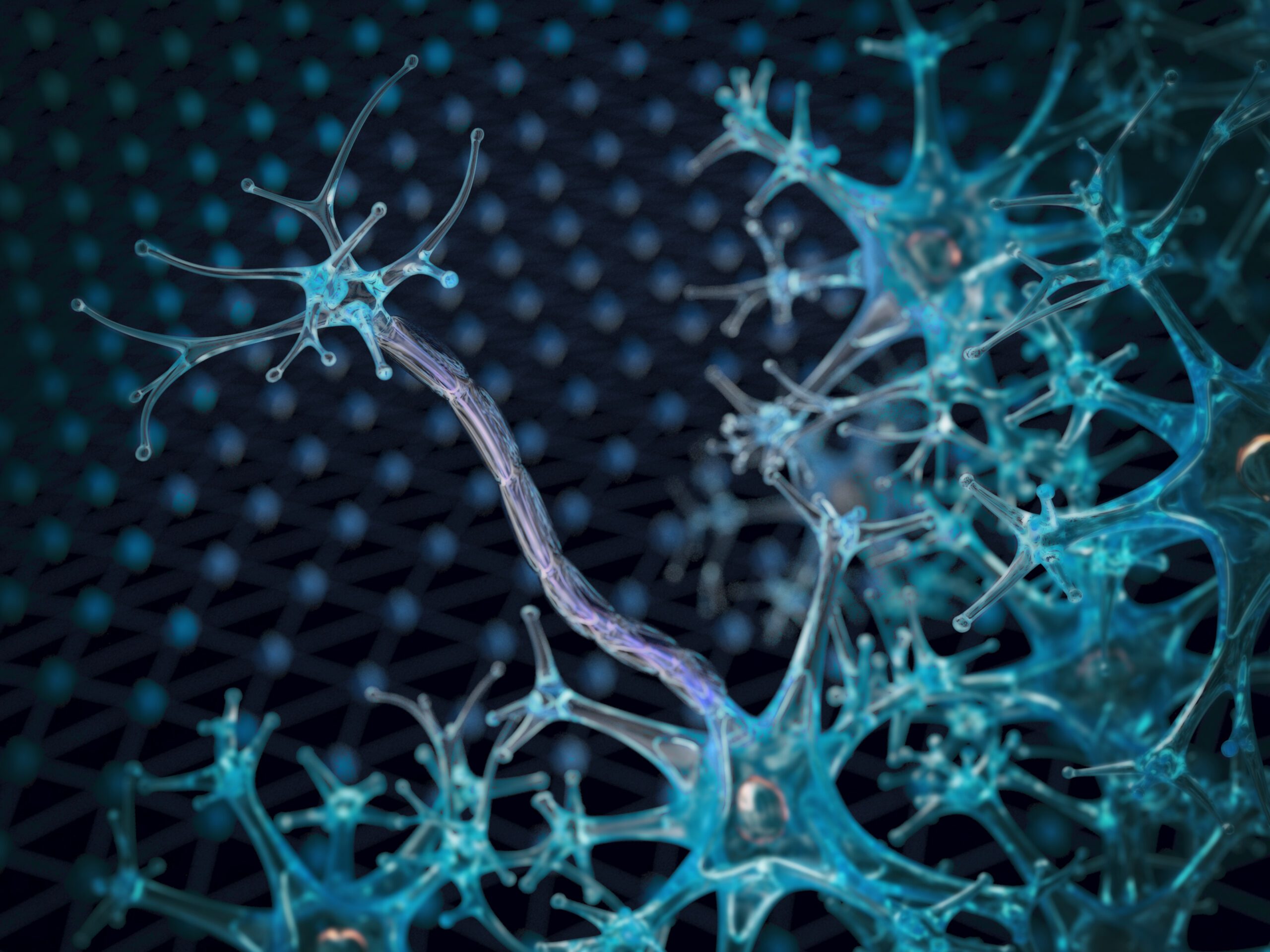
The progressive forms of multiple sclerosis – primary progressive MS (PPMS) and secondary progressive MS (SPMS) – have presented neurologists with particular challenges for decades. Unlike relapsing-remitting MS (RRMS), where inflammation control through disease-modifying therapies is now the clinical standard, therapeutic progress in the progressive spectrum remains fragmentary. In recent years, however, new approaches have emerged: from targeted immunomodulators, Bruton’s tyrosine kinase inhibitors and remyelination strategies to innovative cell and gene therapies.
Autoren
- Tanja Schliebe
Publikation
- InFo NEUROLOGIE & PSYCHIATRIE
Related Topics
You May Also Like
- Current evidence, risk classes and new counseling options
Hormonal contraception and cardiovascular risk
- Acute otitis media: self-limiting course vs. "red flags"
In which cases are antibiotics necessary?
- Prurigo nodularis: evidence-based treatment
Targeted therapy options on the rise
- MACE risk, heart failure incidence and all-cause mortality
Metabolic syndrome as a cardiovascular risk factor
- Glaucoma in old age: slowing down progression
IOP lowering is currently the only evidence-based treatment
- Vector-borne infections with skin manifestations
Arboviruses and leishmaniasis in Europe
- Multimorbidity and functional capacity in old age
Clarify individual health status and reduce risks
- Tick season: danger from early summer meningoencephalitis