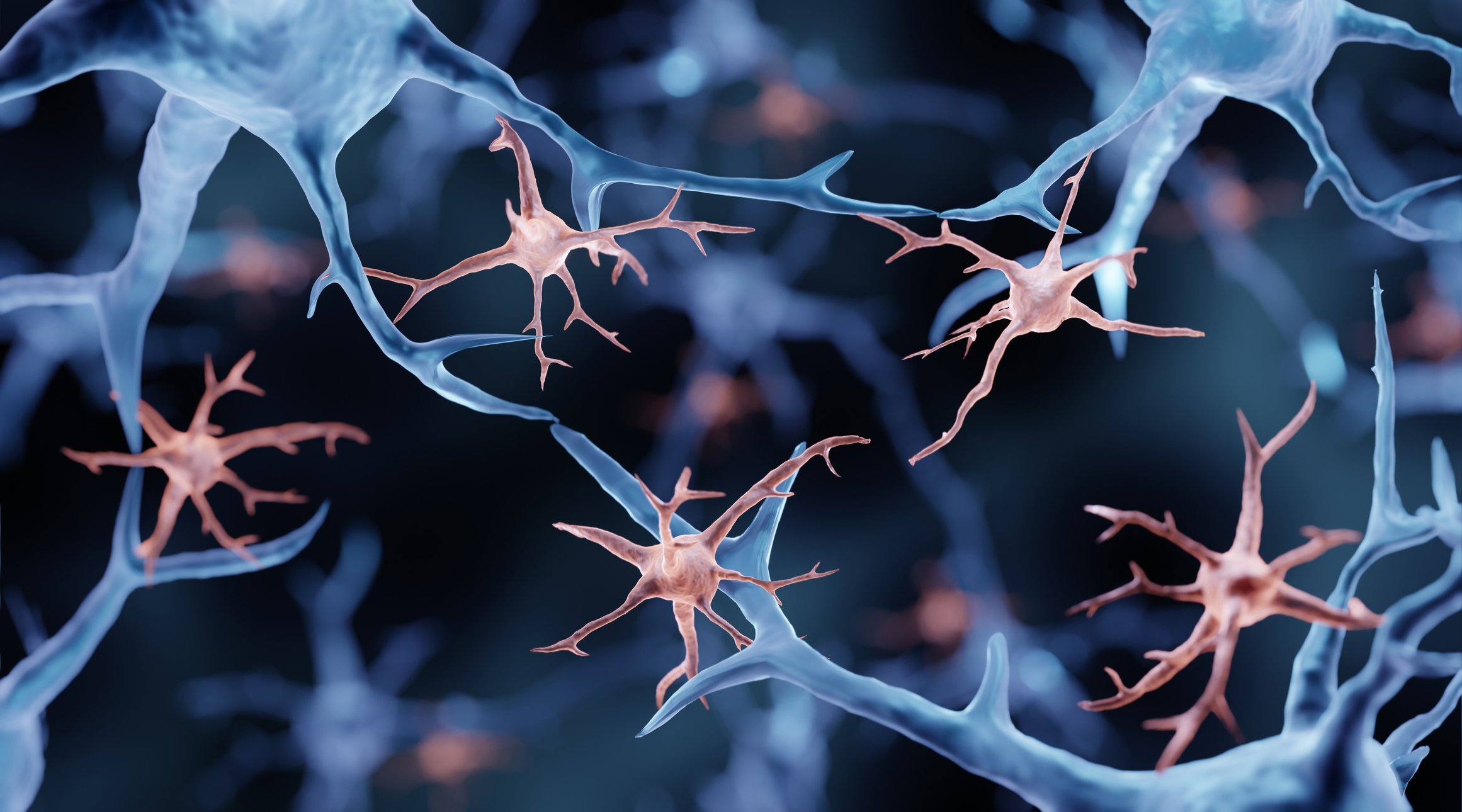
The treatment of multiple sclerosis has made enormous progress thanks to highly effective disease-modifying therapies, in particular anti-CD20 antibodies. For most newly diagnosed patients, a life without disability is realistic. However, the focus is now shifting from preventing acute relapses to combating the insidious progression of disability. New approaches target cellular mechanisms in the CNS and the promotion of remyelination.
Autoren
- Dr. Ulf Blanke
Publikation
- InFo NEUROLOGIE & PSYCHIATRIE

You May Also Like
- From symptom to diagnosis
Pneumology – Covid-19: a review
- Abdominal aortic aneurysms in primary care
Risk-stratified screening and prophylaxis
- Plastic surgery and reconstructive microsurgery for DFS
Functional limb preservation between infection control, vascular medicine and resurfacing
- Cardiology
Minimally invasive – the quiet triumph of modern heart surgery
- Age-related neurocognitive disorders
Neuroprotective effects of Ginkgo biloba extract
How origin and place of residence promote CF-associated diabetes
- Patients with leg swelling
DVT and other common DDs with peripheral edema
- "smarter medicine": Top 5 list for headache treatment