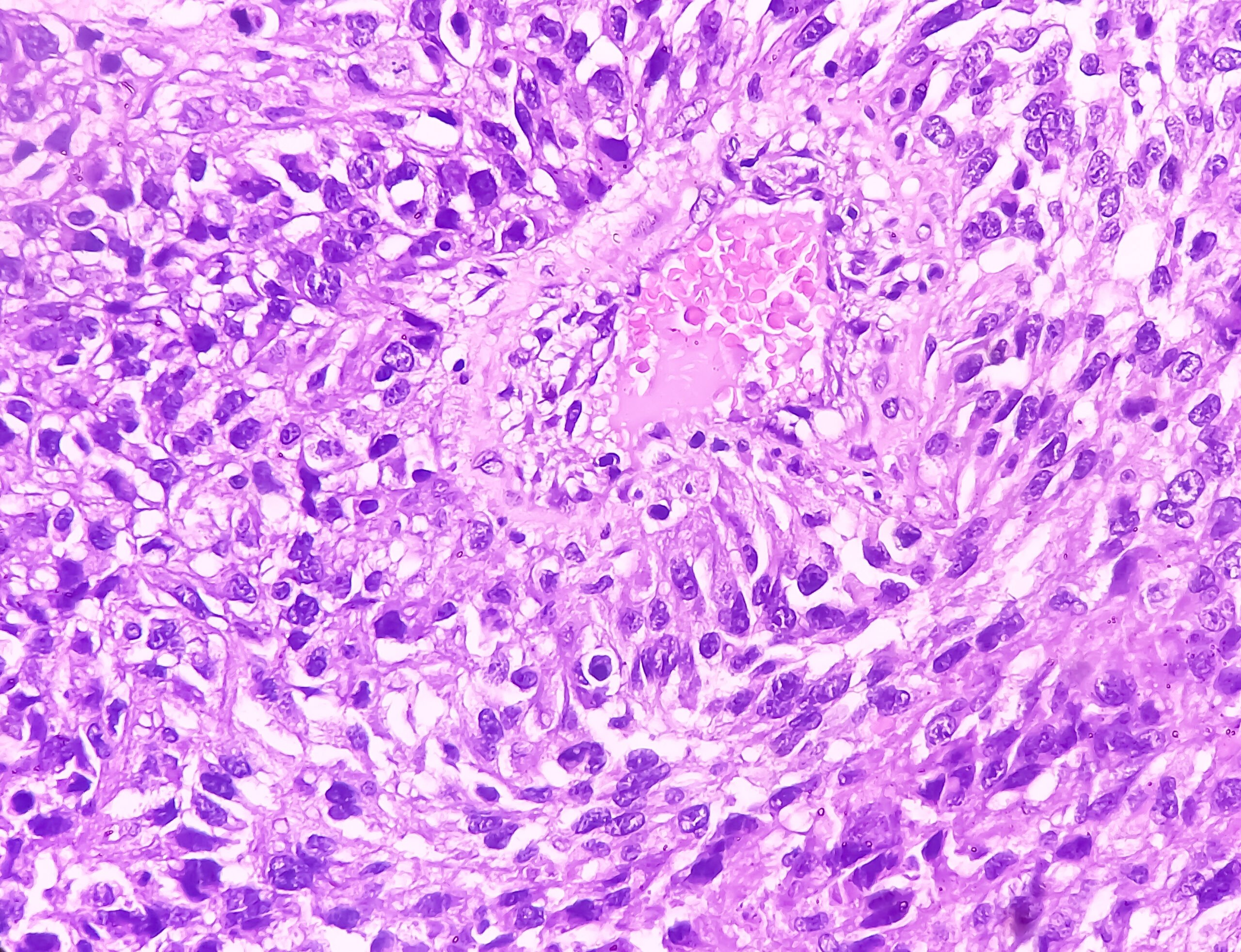
In the early stages, it is often an incidental finding, as symptoms usually only manifest themselves at a later stage. Nowadays, ultrasound, CT and MRI are the main imaging techniques used for further clarification. The treatment options depend on the stage. Histologically, the majority are clear cell carcinomas; papillary and chromophobe carcinomas are less common. Surgical intervention with complete removal of the tumor is the only curative option.
Autoren
- Dr. med. Hans-Joachim Thiel
Publikation
- InFo ONKOLOGIE & HÄMATOLOGIE

You May Also Like
- Peristomal skin health
Focus on preventive care options
- Disease-modifying therapies for ATTR-CM
TTR stabilizers, gene silencing and gene scissors: where do we stand?
- Proteins in wound healing
Do special amino acids lead to success?
- HER2+ early breast cancer
DESTINY-Breast11 – neoadjuvant T-DXd without anthracyclines
- Lavender aromatherapy
Take away the fear of the dentist
- Digital dermatology: innovative project examples
AI and eHealth tools in HS care
- Mantle cell lymphoma
Recurrence after BTK inhibition – prognostic factors and treatment options
- Dementia risk with type 2 diabetes