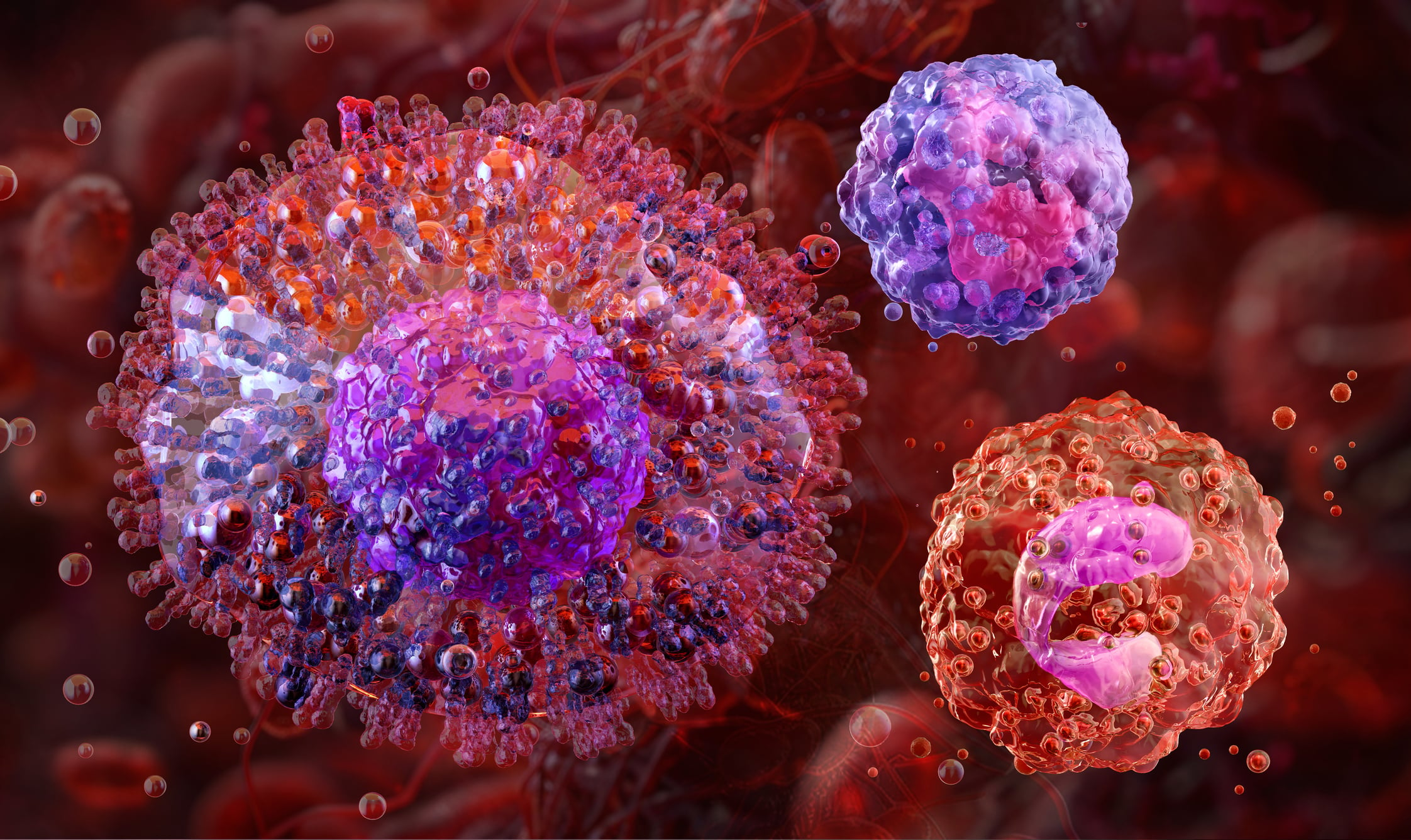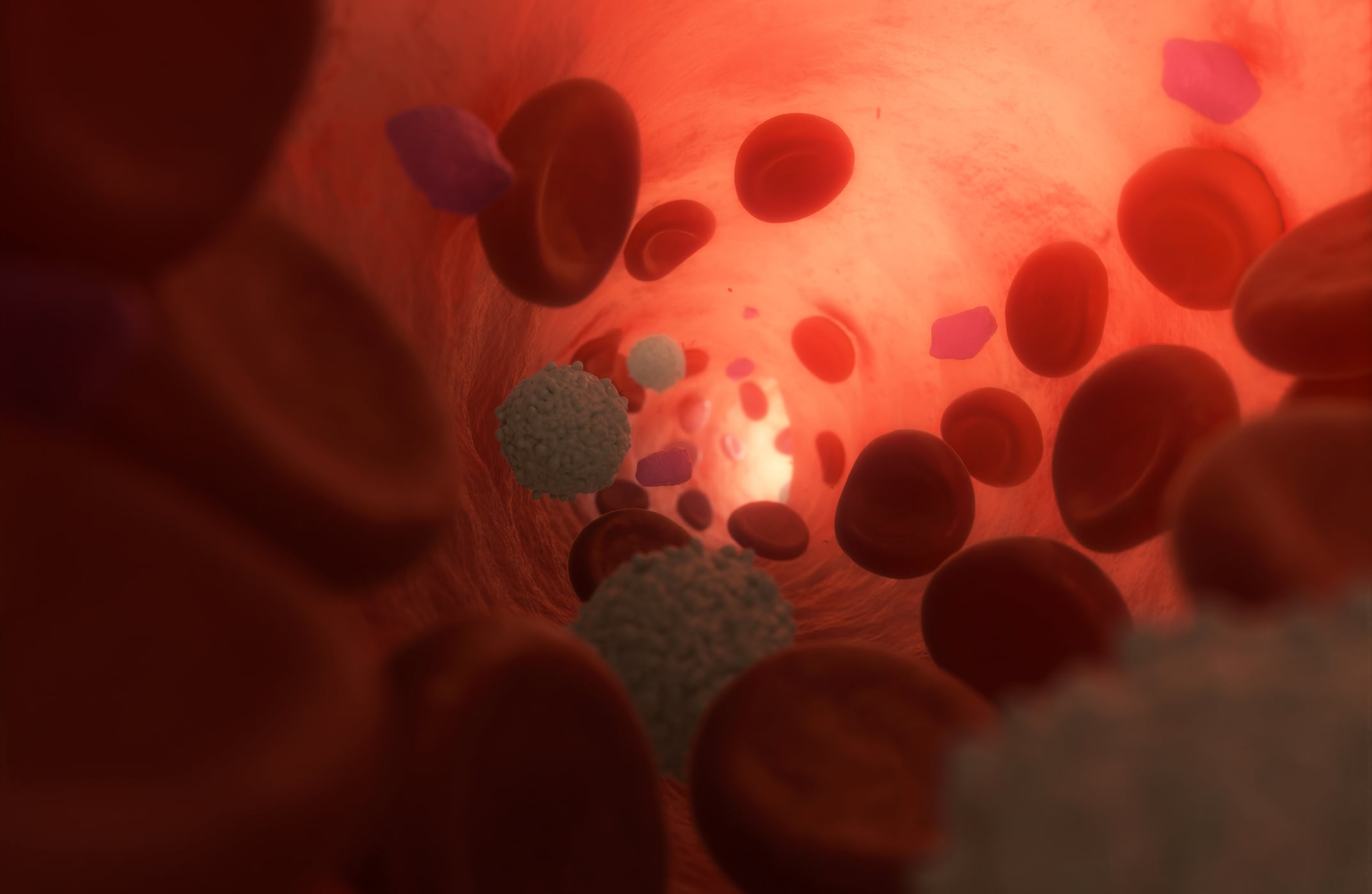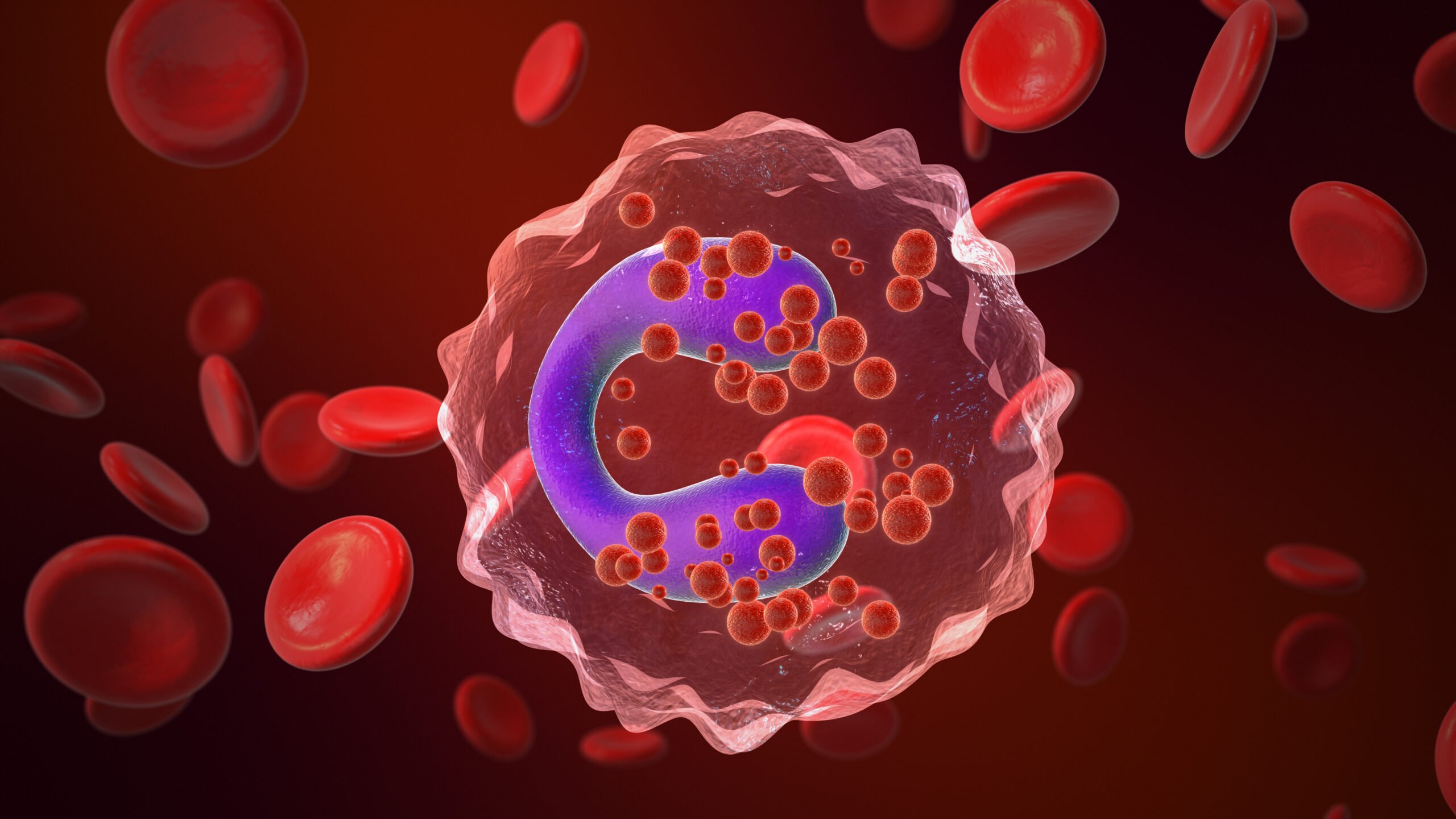
For a long time, eosinophils were regarded as the central effector cells of asthma and were interpreted in the classical model as a direct damaging agent of the epithelium, as an amplifier of bronchial hyperresponsiveness and as the main driver of type 2-mediated airway inflammation. Scientific developments over the past two decades have differentiated, expanded and in some cases questioned this picture. Are eosinophils in fact primary culprits – or merely markers of more complex immunological patterns? A new Lancet publication sheds some light on this.
Autoren
- Tanja Schliebe
Publikation
- Asthma/COPD-Special
Related Topics
You May Also Like
- Obesity: A Multimodal and Interdisciplinary Approach
New Swiss Clinical Practice Guideline Provides Guidance
- cSCC: Personalizing Treatment Strategies and Follow-up Care Plans
Comprehensive risk stratification is no simple matter: what’s new?
- Baxdrostat – a new class of drugs for treating difficult-to-control hypertension
First Aldosterone Synthase Inhibitor Is Here
- Geriatric Small-Cell Lung Cancer
Therapeutic Challenges
- Chronic Pruritus in Renal, Hepatic, and Biliary Tract Diseases
Pooled Expertise for Targeted Evaluation and Treatment
- Advanced Thyroid Cancer
Molecular Mechanisms and New Therapeutic Approaches
- Epidermolysis bullosa
Promoting Wound Healing with Gene Therapies and Birch Bark Extract
- From Risk Identification to Anti-Inflammatory Intervention