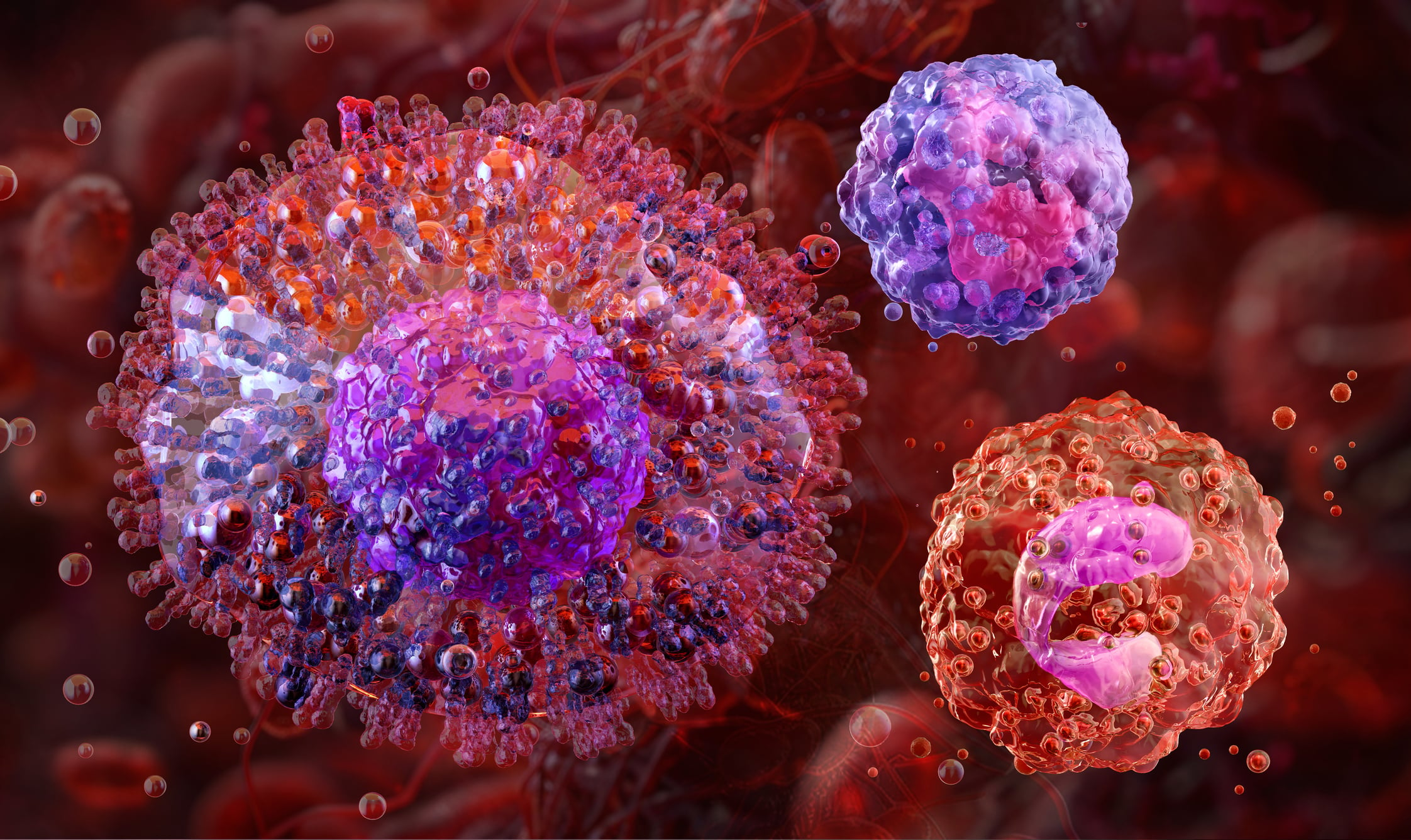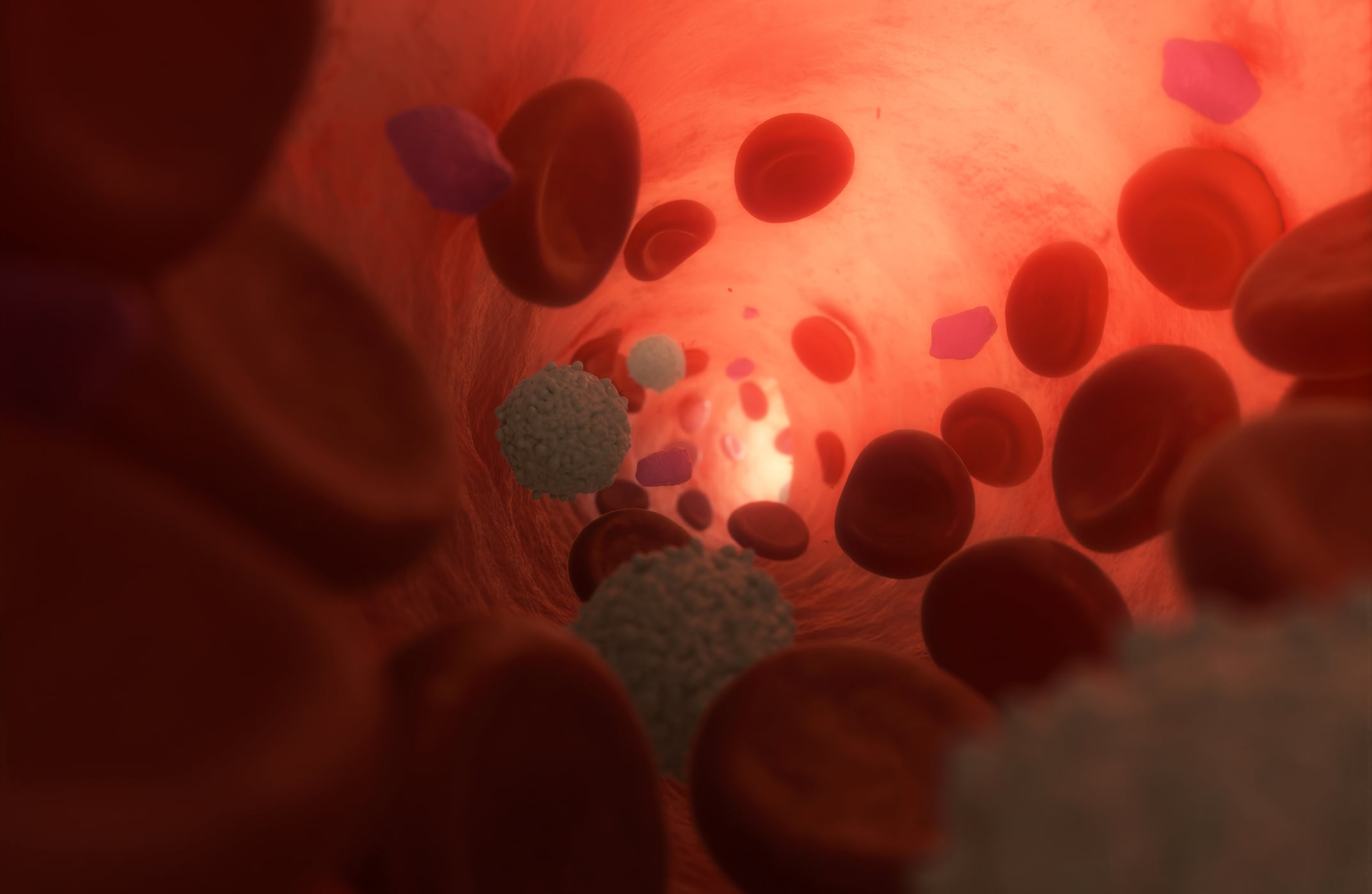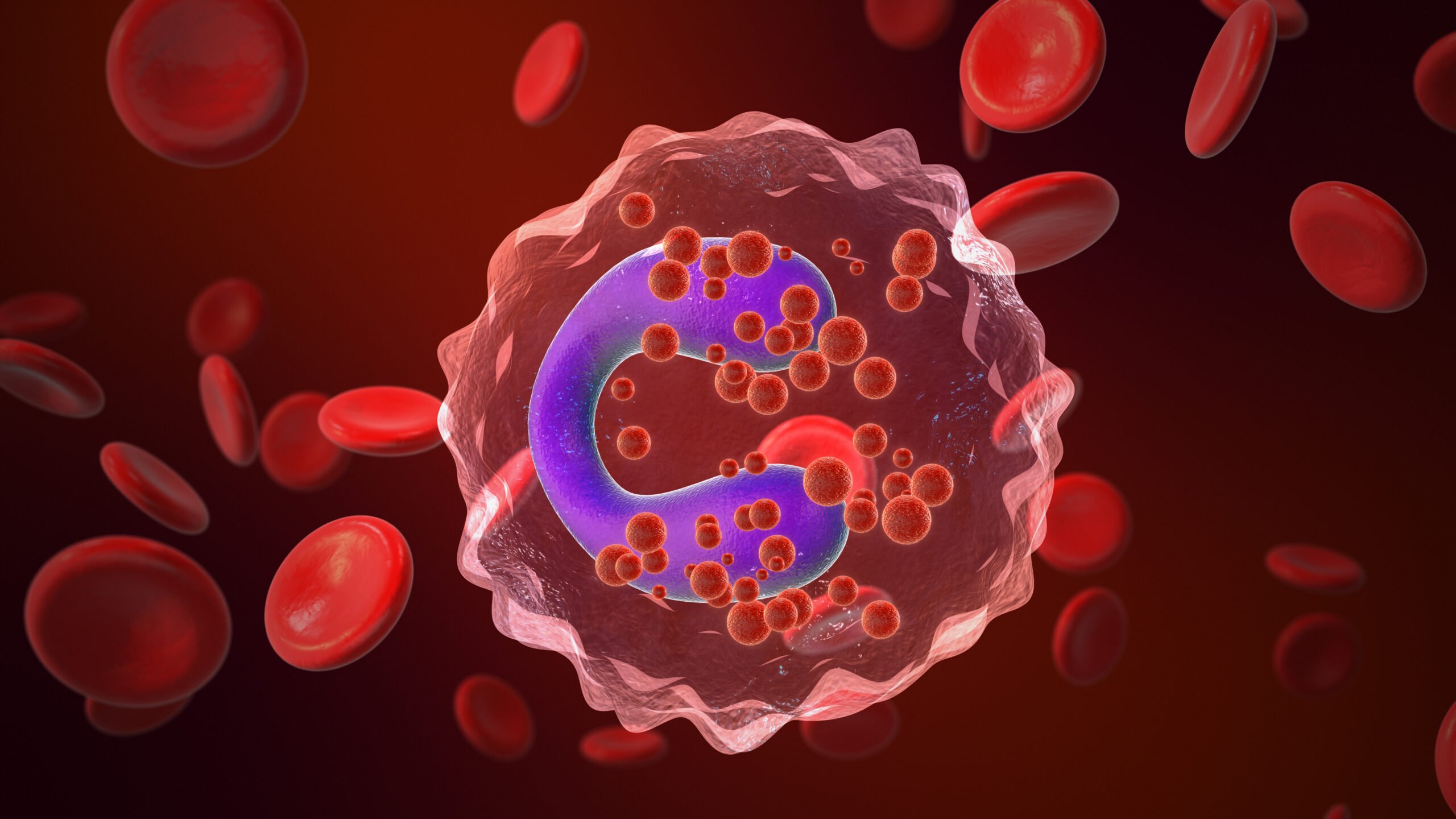
For a long time, eosinophils were regarded as the central effector cells of asthma and were interpreted in the classical model as a direct damaging agent of the epithelium, as an amplifier of bronchial hyperresponsiveness and as the main driver of type 2-mediated airway inflammation. Scientific developments over the past two decades have differentiated, expanded and in some cases questioned this picture. Are eosinophils in fact primary culprits – or merely markers of more complex immunological patterns? A new Lancet publication sheds some light on this.
Autoren
- Tanja Schliebe
Publikation
- Asthma/COPD-Special
Related Topics
You May Also Like
- Digital dermatology: innovative project examples
AI and eHealth tools in HS care
- Mantle cell lymphoma
Recurrence after BTK inhibition – prognostic factors and treatment options
- Dementia risk with type 2 diabetes
SGLT2 inhibitors with advantages vs. DPP4 inhibitors
- T helper 1 cells
Differentiation and activation of Th1 cells – a multi-omics approach
- Cannabis for schizophrenia
CBD pre-treatment could exacerbate side effects
- Type 2 diabetes: cardiovascular risk reduction is realistic
Modern active ingredients and lifestyle – every step counts
- Case study
8-year-old girl with Pätau syndrome aka trisomy 13
- Lichen sclerosus