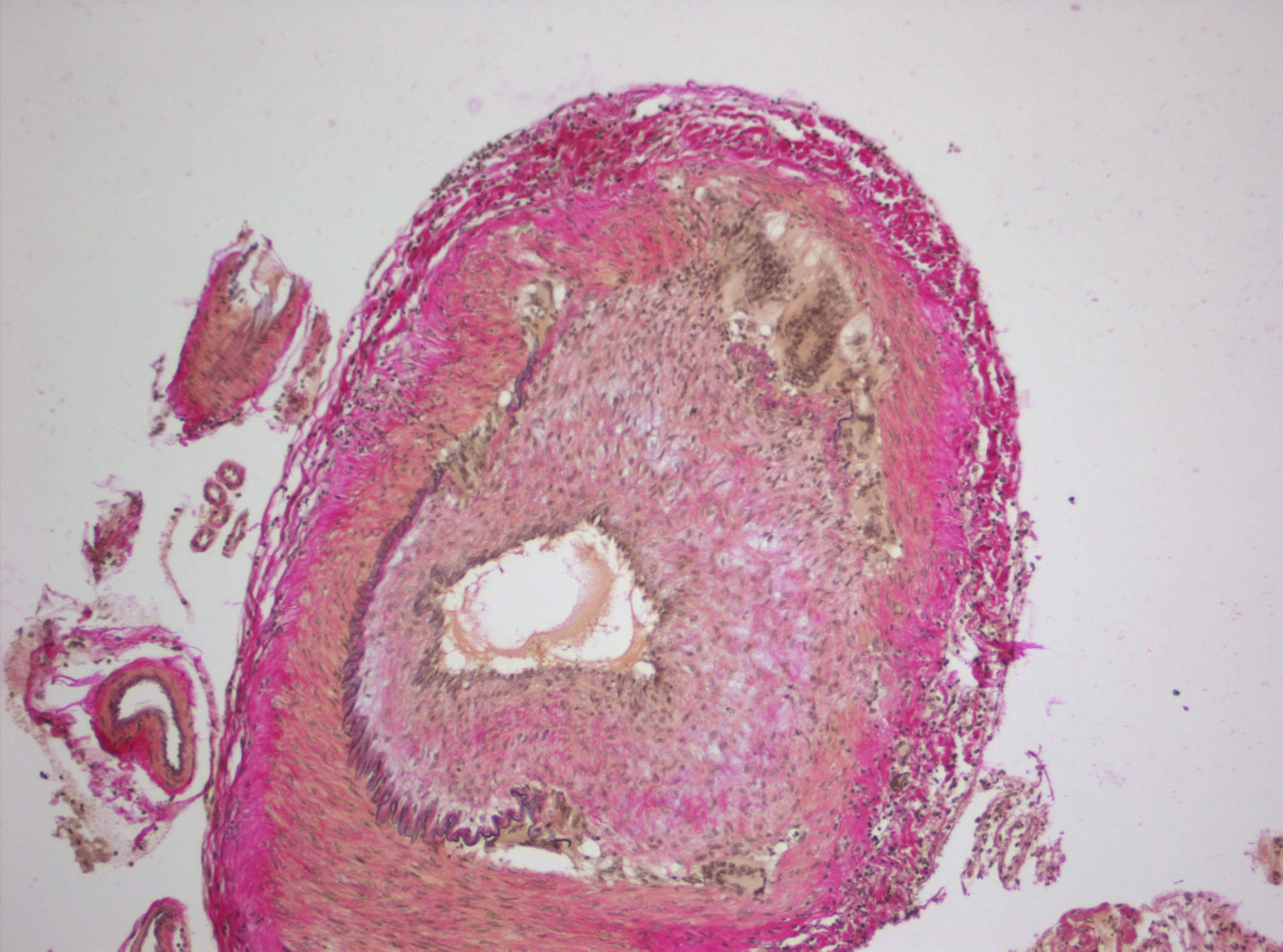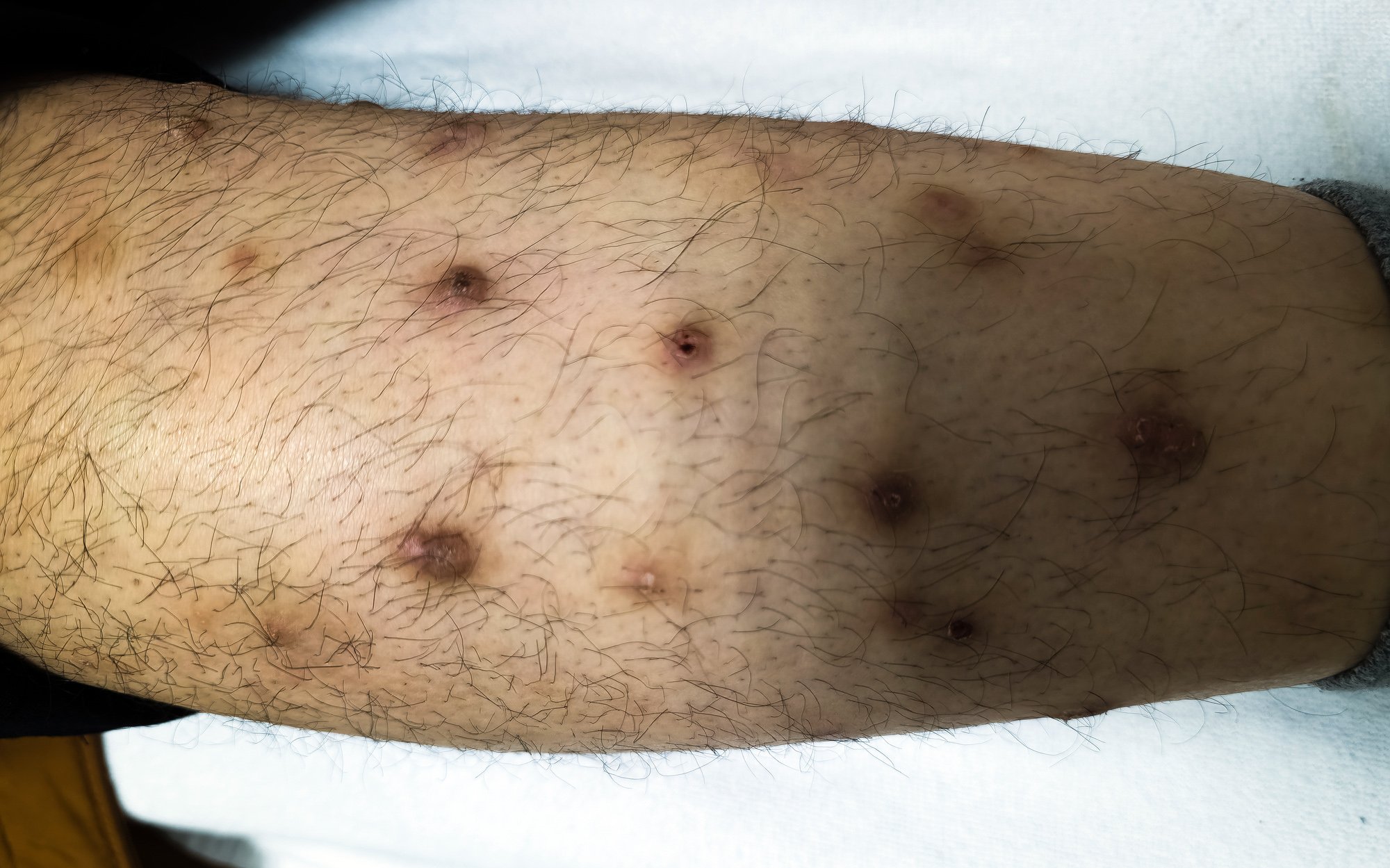
Which mediators are causally involved in peripheral and central itch sensitization in the context of prurigo and prurigo nodularis (PN) and contribute to the maintenance of pruritus is currently being analysed in numerous research projects. With dupilumab and nemolizumab, two therapeutic approaches are now available that combine anti-inflammatory and antipruritic effects and have overcome the approval hurdles for the indication PN. Interesting data from pooled analyses and from the long-term extension phase of the respective approval-relevant studies are now available.
Autoren
- Mirjam Peter, M.Sc.
Publikation
- DERMATOLOGIE PRAXIS

Related Topics
You May Also Like
- Prurigo nodularis: evidence-based treatment
Targeted therapy options on the rise
- MACE risk, heart failure incidence and all-cause mortality
Metabolic syndrome as a cardiovascular risk factor
- Glaucoma in old age: slowing down progression
IOP lowering is currently the only evidence-based treatment
- Vector-borne infections with skin manifestations
Arboviruses and leishmaniasis in Europe
- Multimorbidity and functional capacity in old age
Clarify individual health status and reduce risks
- Tick season: danger from early summer meningoencephalitis
TBE vaccination recommended for adults and children aged 3 and over
- New WHO guideline, updated stimulation protocols, focus on PGT-A
Fertility and reproductive medicine 2026
- Wound treatment