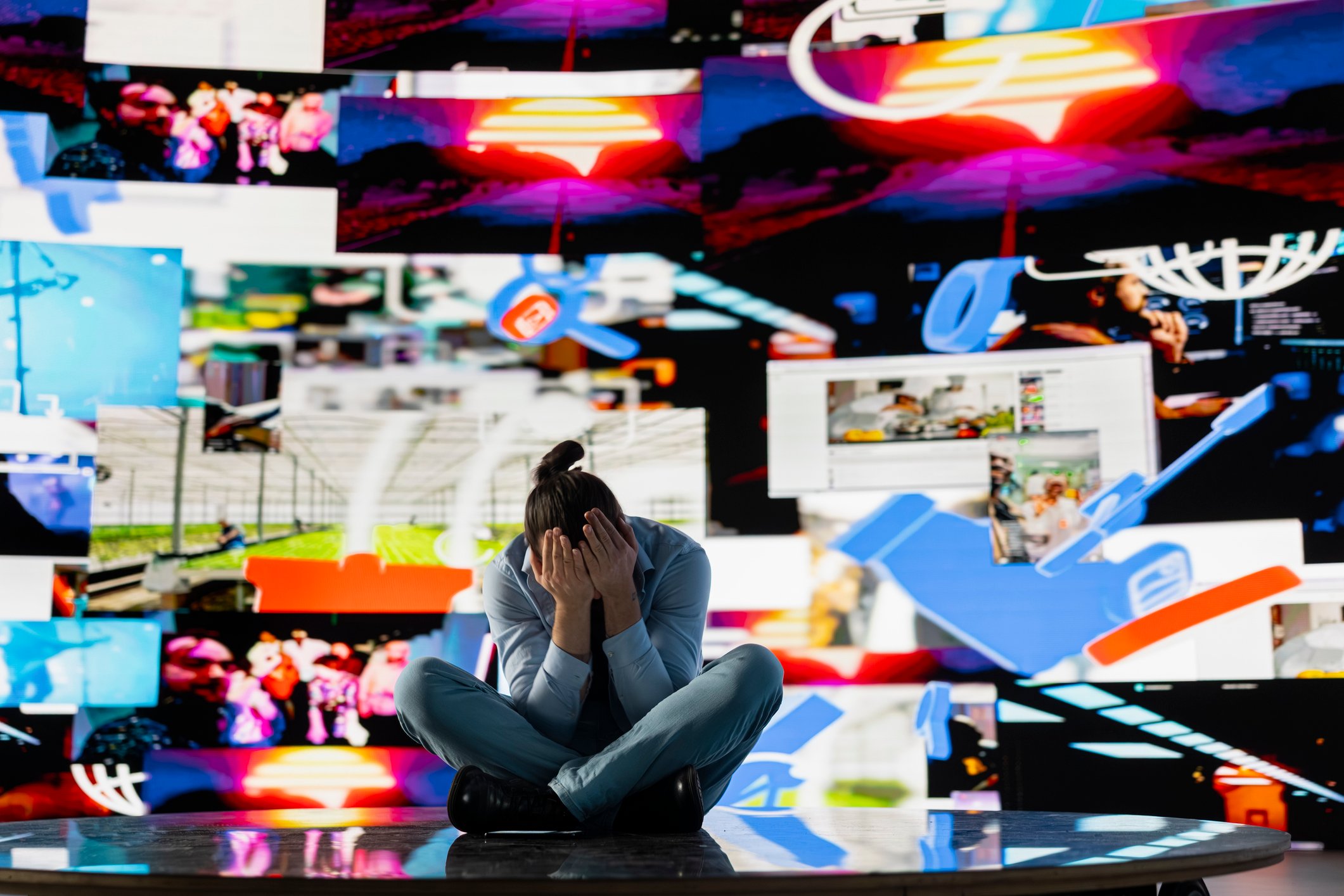
Three digital behavioral patterns characterize the reality of modern patient use and are converging into a clinically relevant phenomenon in medical consultations: problematic smartphone use, the continuous consumption of short video formats on platforms such as TikTok, Instagram Reels or YouTube Shorts and – since the widespread availability of generative language models at the end of 2022 – the psychological dependence on AI assistants for opinion formation, decision-making and self-control. Current studies from 2023 to 2026 paint an increasingly coherent picture: on a neuronal level, these behaviors converge on an activation of the mesocorticolimbic reward system with a simultaneous reduction of prefrontal top-down control. Clinically, they manifest themselves in attention disorders, depressive symptoms, sleep disorders and – as the most recent phenomenon – in a growing number of case reports of chatbot-associated delusions and cognitive relief phenomena.
Publikation
- InFo NEUROLOGIE & PSYCHIATRIE