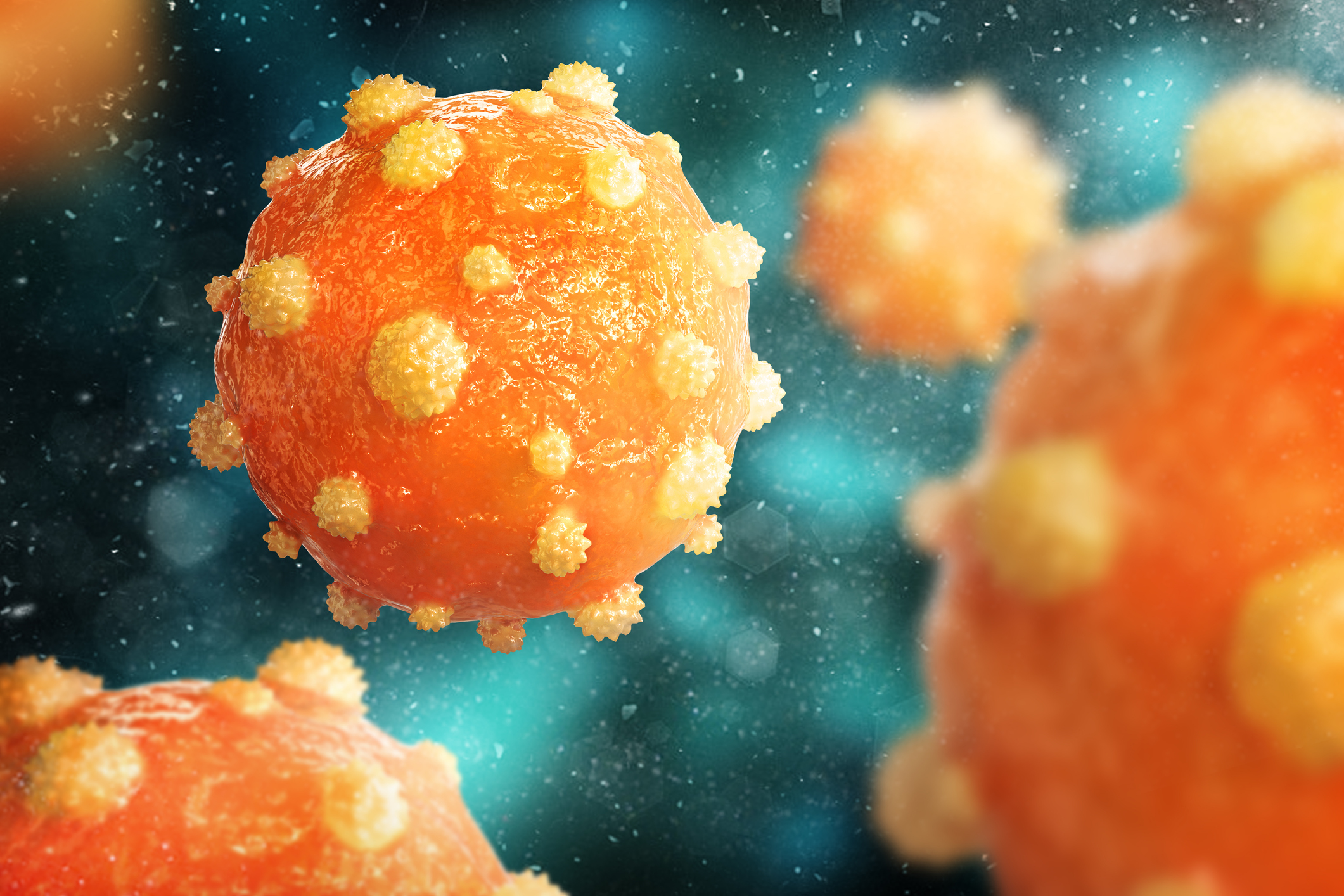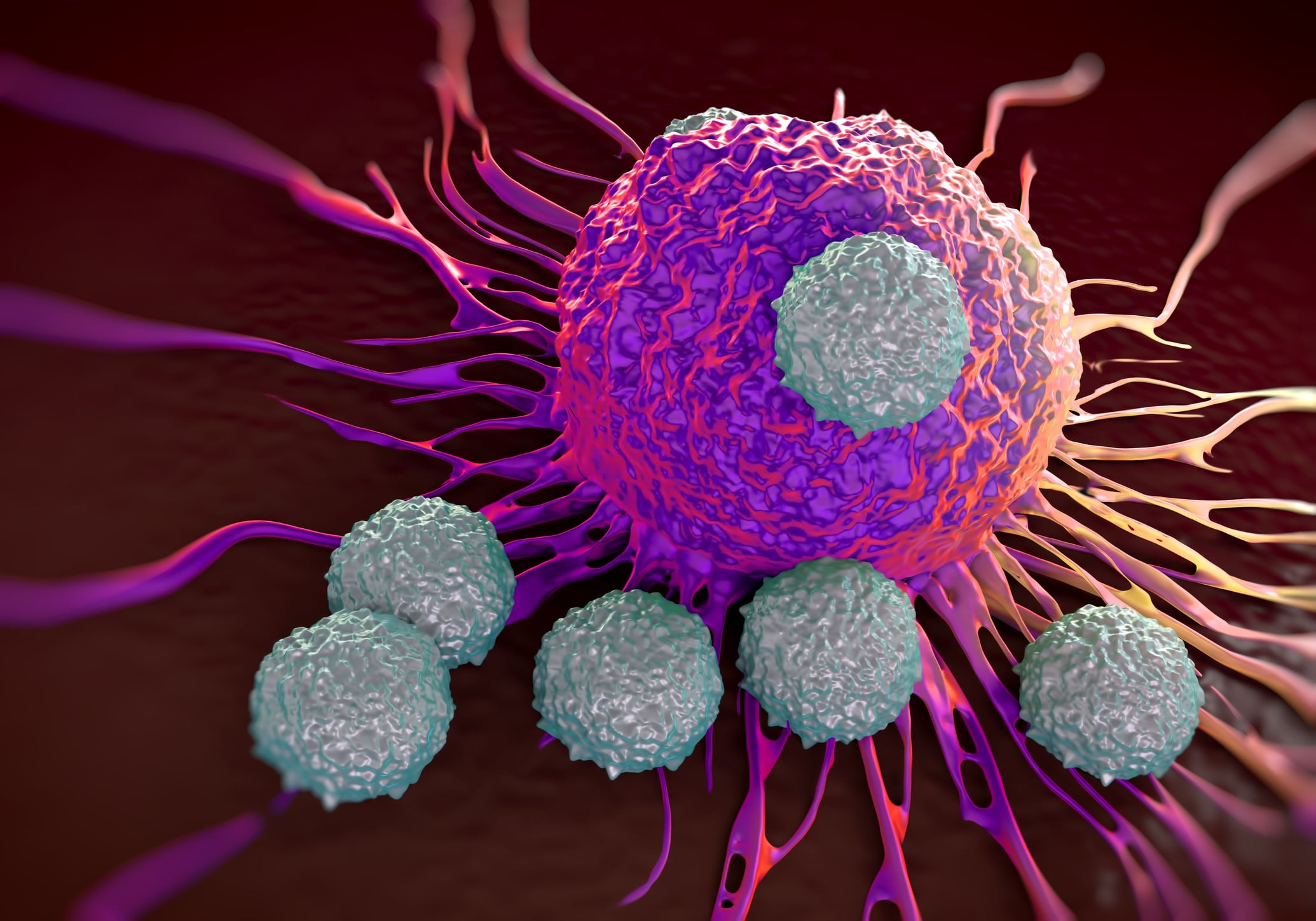
T cells are an important part of our immune system. T helper (Th) cells support and coordinate central functions of the adaptive immune response and thus contribute significantly to the defense against various pathogens and to the control of the body’s own cells. Various specialized Th cell populations, including Th1, Th2 and Th17 cells, have developed to cover the enormous variety of potential pathogens and to be able to react optimally to different conditions. The focus of this article is on a closer look at the Th1 cell population, highlighting differences to other Th cell types.
Autoren
- Jana Koch
- PD Dr. Katja Baerenfaller
Publikation
- InFo ONKOLOGIE & HÄMATOLOGIE
Related Topics
You May Also Like
- Acute nonspecific back pain
Implementing a biopsychosocial approach
- Psychedelic-assisted therapy
Current status of PAT
- Neuropathic Pain
Evidence-Based Neuromodulation Based on Clinical Trials and Real-World Data
- Fibromyalgia Syndrome
Development, Diagnosis, Epidemiology, and Treatment of a Disease Entity
- Juvenile Idiopathic Arthritis
Early Detection and Targeted Treatment in an Interdisciplinary Setting
- Disorders of the Gut-Brain Interaction
Rome V Criteria: What Has Changed, and What Has Remained the Same?
- Tourette Syndrome
What can be done to treat this tic disorder?
- Chronic Hepatitis B: Is a Cure in Sight?