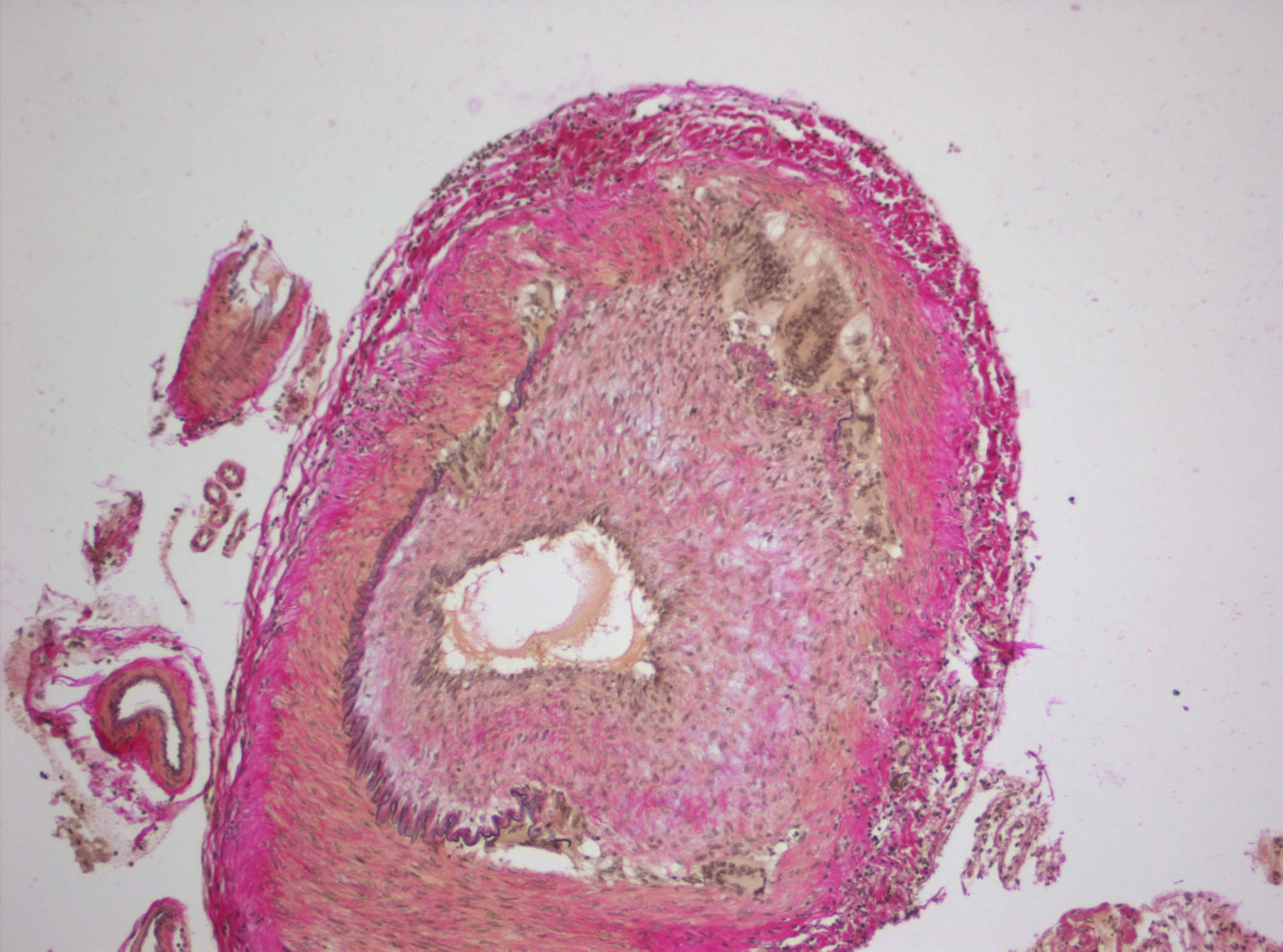
The standard treatment of Crohn’s disease (Crohn’s disease) is based on the “step-up” strategy. However, results from the PROFILE study indicate that in newly diagnosed Crohn’s disease, early use of a TNF-α inhibitor in combination with an immunomodulator is significantly more effective than stepwise escalation. The recently published results of several years of follow-up show that this also applies to the longer-term outcomes. As interesting as these study results are, in terms of a “best practice” approach, the guideline advises that the respective course of treatment should be assessed individually using surrogate parameters and adjusted accordingly depending on the response.
Autoren
- Mirjam Peter, M.Sc.
Publikation
- HAUSARZT PRAXIS

Related Topics
You May Also Like
- Actinic keratoses
Targeted Treatment of Multiple AK Lesions—Balancing Efficacy and Convenience
- Obesity: A Multimodal and Interdisciplinary Approach
New Swiss Clinical Practice Guideline Provides Guidance
- cSCC: Personalizing Treatment Strategies and Follow-up Care Plans
Comprehensive risk stratification is no simple matter: what’s new?
- Baxdrostat – a new class of drugs for treating difficult-to-control hypertension
First Aldosterone Synthase Inhibitor Is Here
- Geriatric Small-Cell Lung Cancer
Therapeutic Challenges
- Chronic Pruritus in Renal, Hepatic, and Biliary Tract Diseases
Pooled Expertise for Targeted Evaluation and Treatment
- Advanced Thyroid Cancer
Molecular Mechanisms and New Therapeutic Approaches
- Epidermolysis bullosa