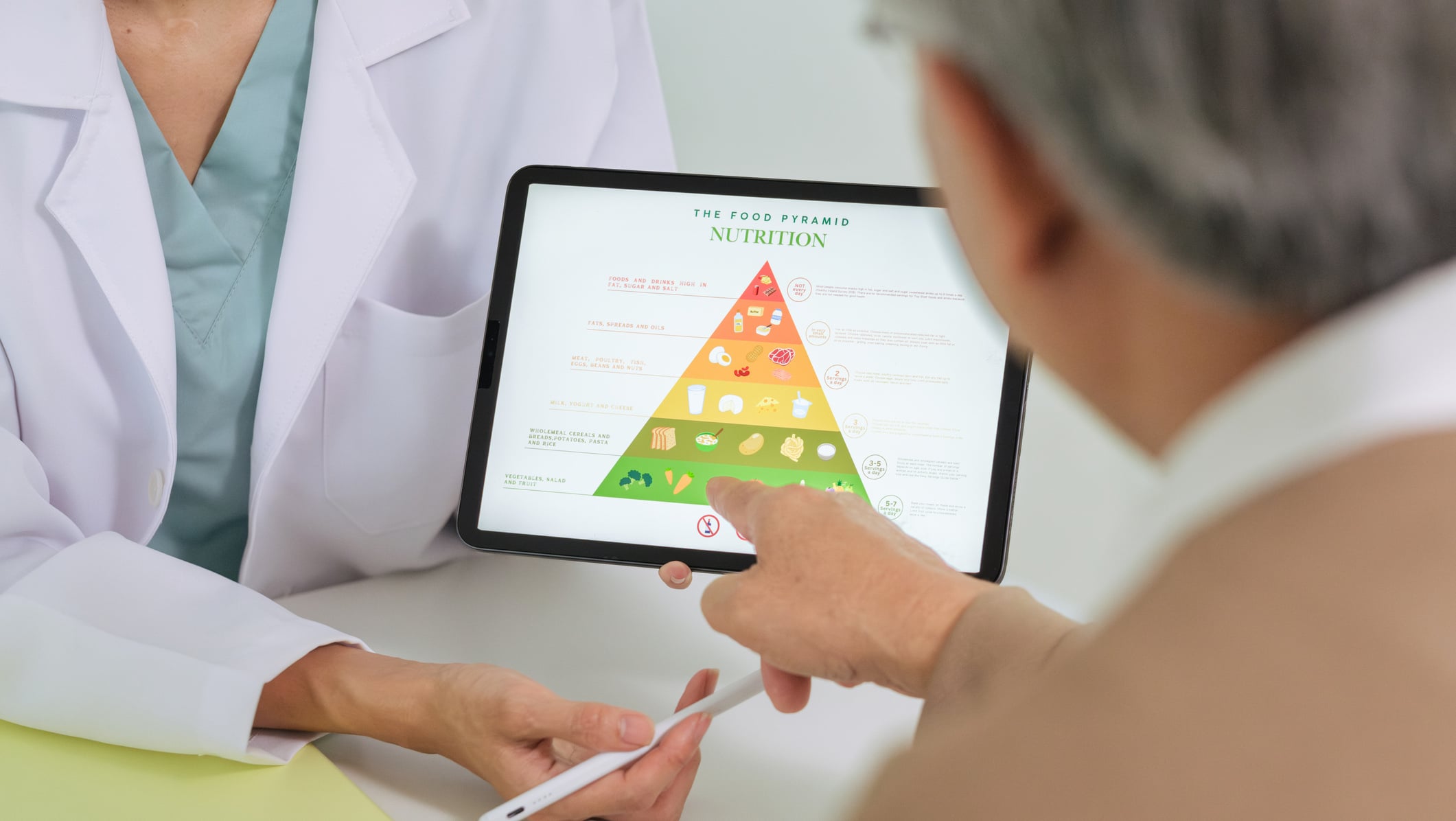
Extrinsic and intrinsic factors contribute to older adults being less likely to meet the recommended daily intake of micronutrients. This can have significant negative health consequences. Micronutrients that are particularly critical in terms of intake include vitamin D, vitamin B12, and magnesium. However, as is the case in other population groups, there is also a common risk of deficiency in iron, folic acid, and calcium.
Autoren
- Mirjam Peter, M.Sc.
Publikation
- HAUSARZT PRAXIS
Related Topics
You May Also Like
- Geriatric patients
Micronutrient Intake in Older Adults
- Crohn's disease: focus on long-term results
“Top-down” approach or classic step therapy?
- SwissDiab Study: New Analysis Published
How are diabetes complications associated with quality of life?
- Pre-acclimatization on Mount Everest
Exploring the physiological limits
- Viloxazine for ADHD
A non-stimulating option—but with limited evidence
- Preclinical study on phytotherapeutic agent
Active ingredient combination of peppermint and caraway oil modified fecal microbiota
- Casuistry
Rituximab used effectively against IgG4-RD colitis
- Sarcoidosis