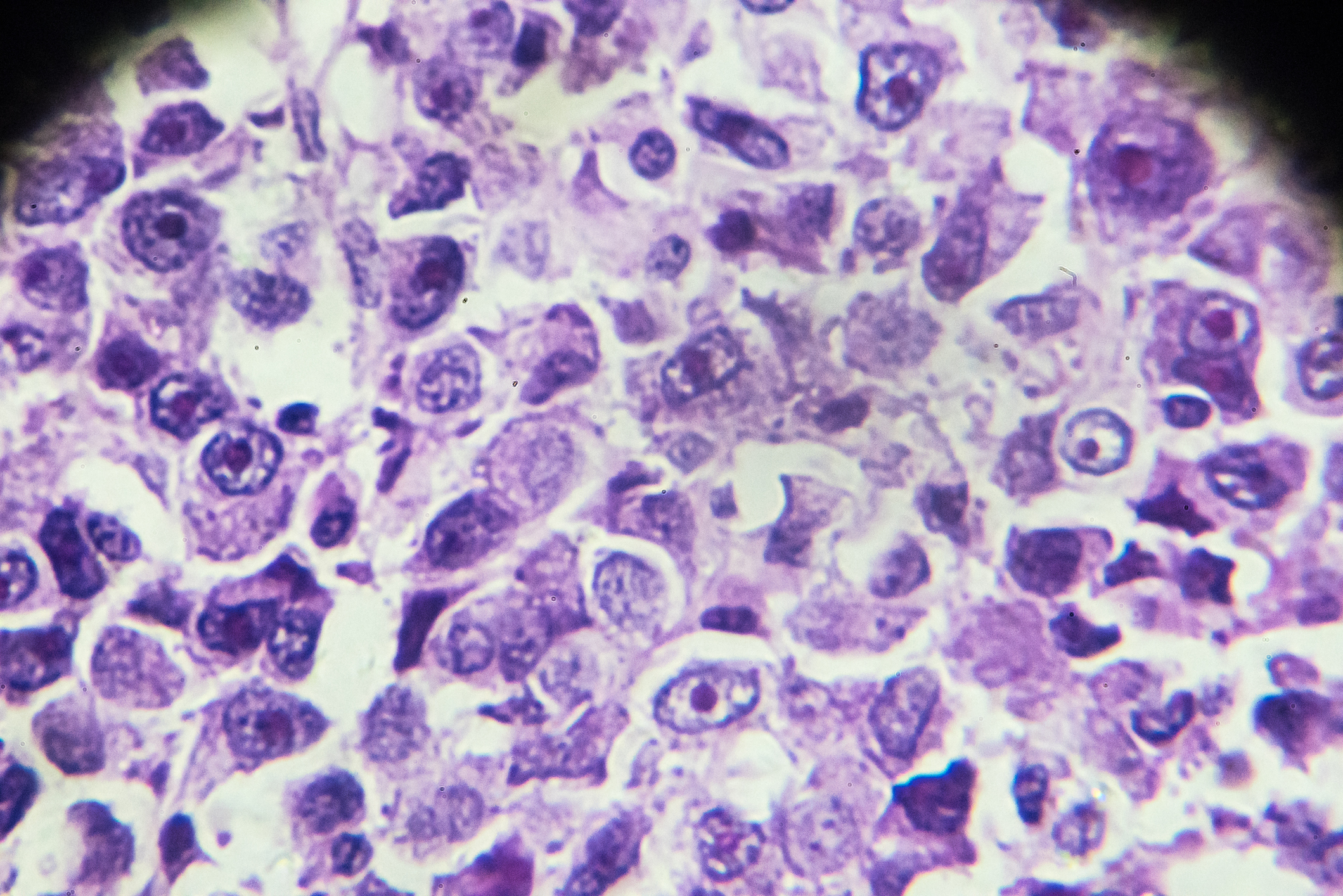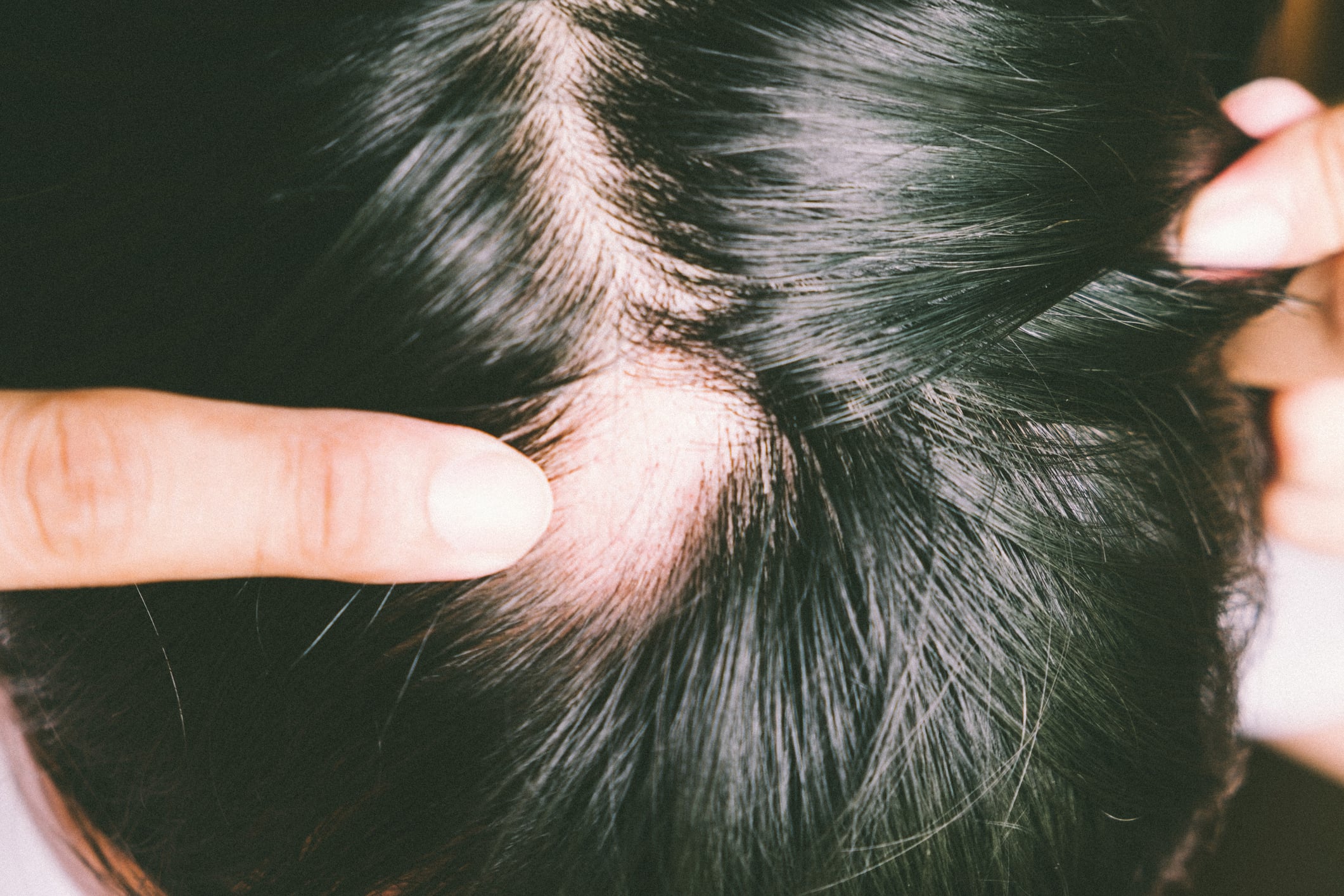
The severity of alopecia areata has significant implications for counseling and treatment planning; however, to ensure the best possible care, the patient’s age, the individual impact of hair loss, and other patient-specific factors must also be taken into account. The recently published new S3 guideline provides consensus-based, evidence-based recommendations for various clinical situations and patient subgroups. The recent approval of JAK inhibitors has significantly expanded the range of treatment options, but there have also been other developments.
Autoren
- Mirjam Peter, M.Sc.
Publikation
- DERMATOLOGIE PRAXIS
Related Topics
You May Also Like
- PMR and LVV: Current EULAR Recommendations
Polymyalgia rheumatica, giant cell arteritis, and Takayasu arteritis
- Psychedelic-assisted therapy
Current status of PAT
- First-line treatment for T2D
SGLT2i, metformin, or both?
- Biophilic Design of Work Environments
Effects on Health, Well-Being, and Productivity
- From symptom to diagnosis
Intrapelvic mass with an ambiguous differential diagnosis
- Endocrinology: APECED-Associated Hypoparathyroidism
A parathyroid hormone analog corrected serum calcium levels
- Transient ischemic attack
Comprehensive diagnostic testing can reduce the risk of stroke
- Malignant Tumors of the Clavicle