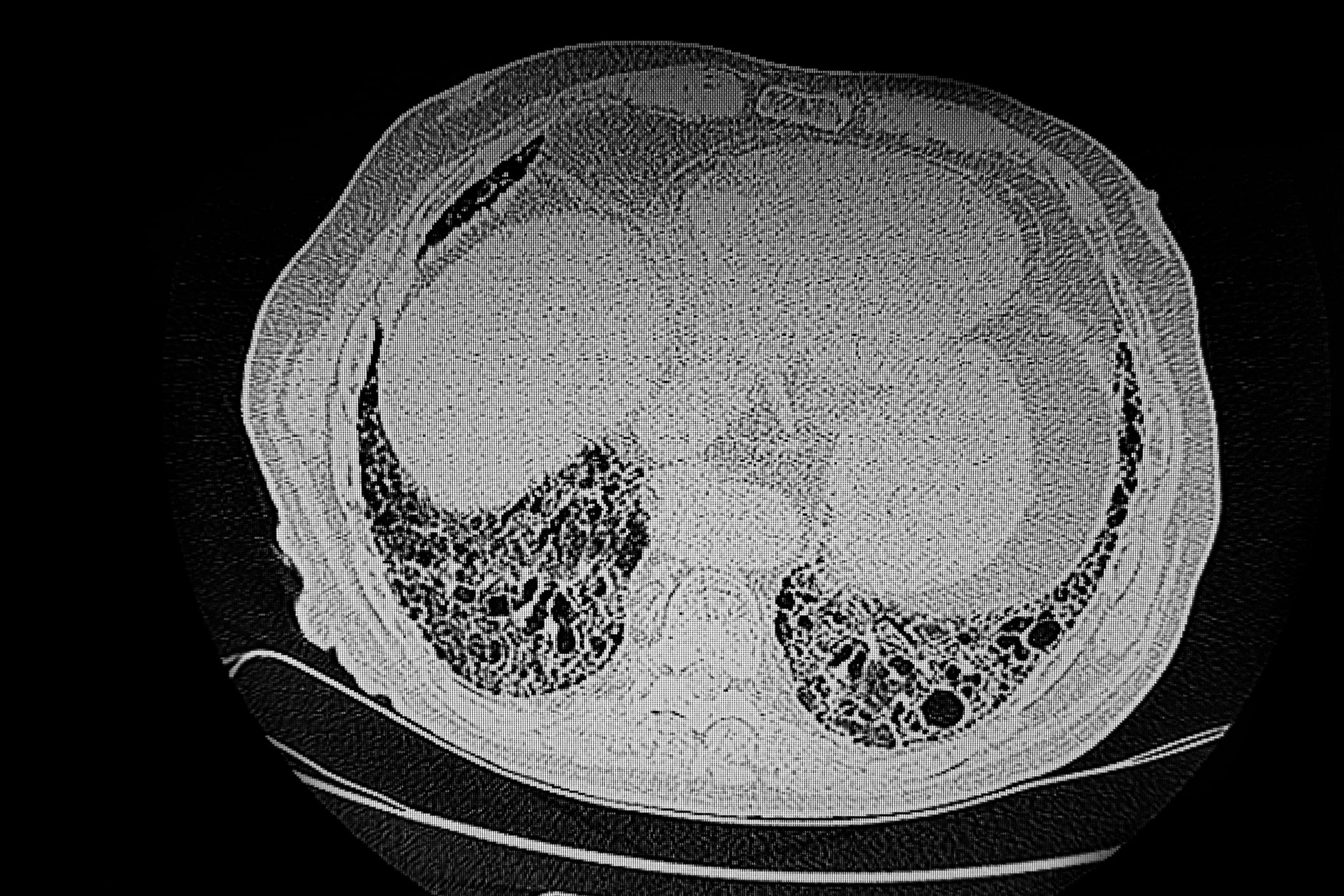
Updated 7-year data from the CROWN study were presented at the 2026 ASCO Annual Meeting. These data confirm stable long-term disease control with lorlatinib and reinforce its role as a first-line treatment for ALK-positive NSCLC. The results show that progression-free survival has not yet been reached and that intracranial disease control is maintained over the long term.
Autoren
- Dr. oec. Odile Schwarz-Herion
Publikation
- InFo ONKOLOGIE & HÄMATOLOGIE
You May Also Like
- Ischemic stroke: Are smaller or larger brain arteries affected?
Recent study findings on intravenous lysis therapy with fibrinolytic agents
- Interview
“On par with the gold standards for trauma”
- Psychology: Emotional Freedom Techniques (EFT)
Emotional Healing Through Tapping
- Systemic Lupus (SLE): What Does the Diagnosis and Treatment Toolbox Have to Offer?
Treat-to-Target – Consensus Recommendations for GC Tapering and the Use of DMARDs
- Interstitial Lung Diseases
Update on Idiopathic Pulmonary Fibrosis
- Psychedelic-assisted therapy
Current status of PAT
- Psoriasis and Obesity: Effects of Incretin-Based Therapies
Clinical trials shed light on the potential of semaglutide, liraglutide, and tirzepatide
- Non-small-cell lung cancer (NSCLC)