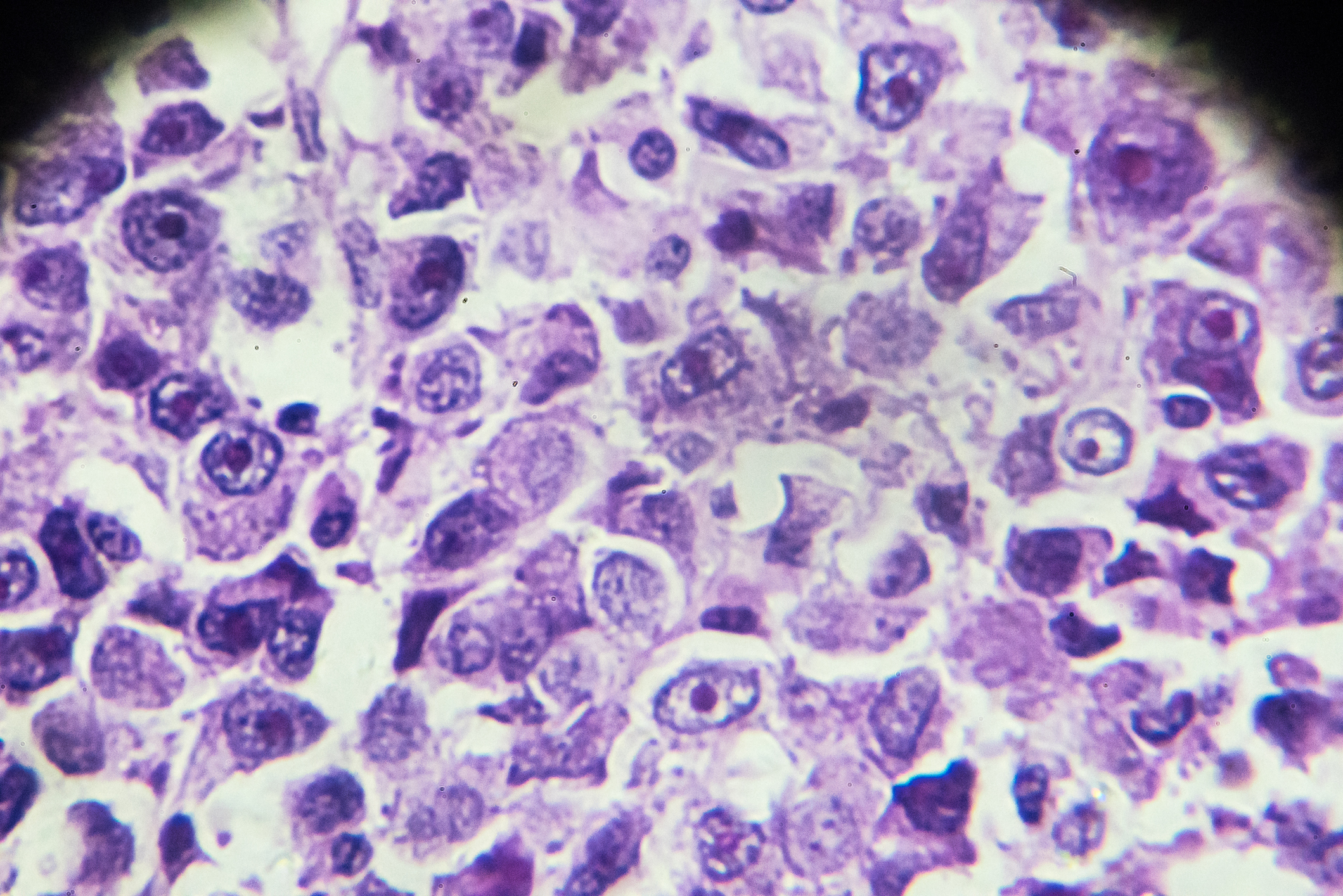
Artificial intelligence (AI) has long been more than just a vision of the future in medicine. AI systems not only have the potential to support documentation and analyze large amounts of data, but are also being successfully used in the fields of diagnostics, prognosis assessment, and therapy in the context of precision medicine. Agent-based systems and “foundation models” are opening up new dimensions—this presents forward-looking opportunities, but there is a growing awareness that certain limits are being reached and that guidelines are necessary.
Publikation
- HAUSARZT PRAXIS
- DERMATOLOGIE PRAXIS
- InFo PNEUMOLOGIE & ALLERGOLOGIE
- InFo DIABETOLOGIE & ENDOKRINOLOGIE