This content is machine translated Non-anginal chest pain: Could it be a heart attack? From Triage to Secondary Prevention—A Recent Update In cases of chest pain caused by coronary insufficiency, acute coronary syndrome (ACS) should be considered. There is an increased risk in men aged ≥55 and women aged ≥65, as...…
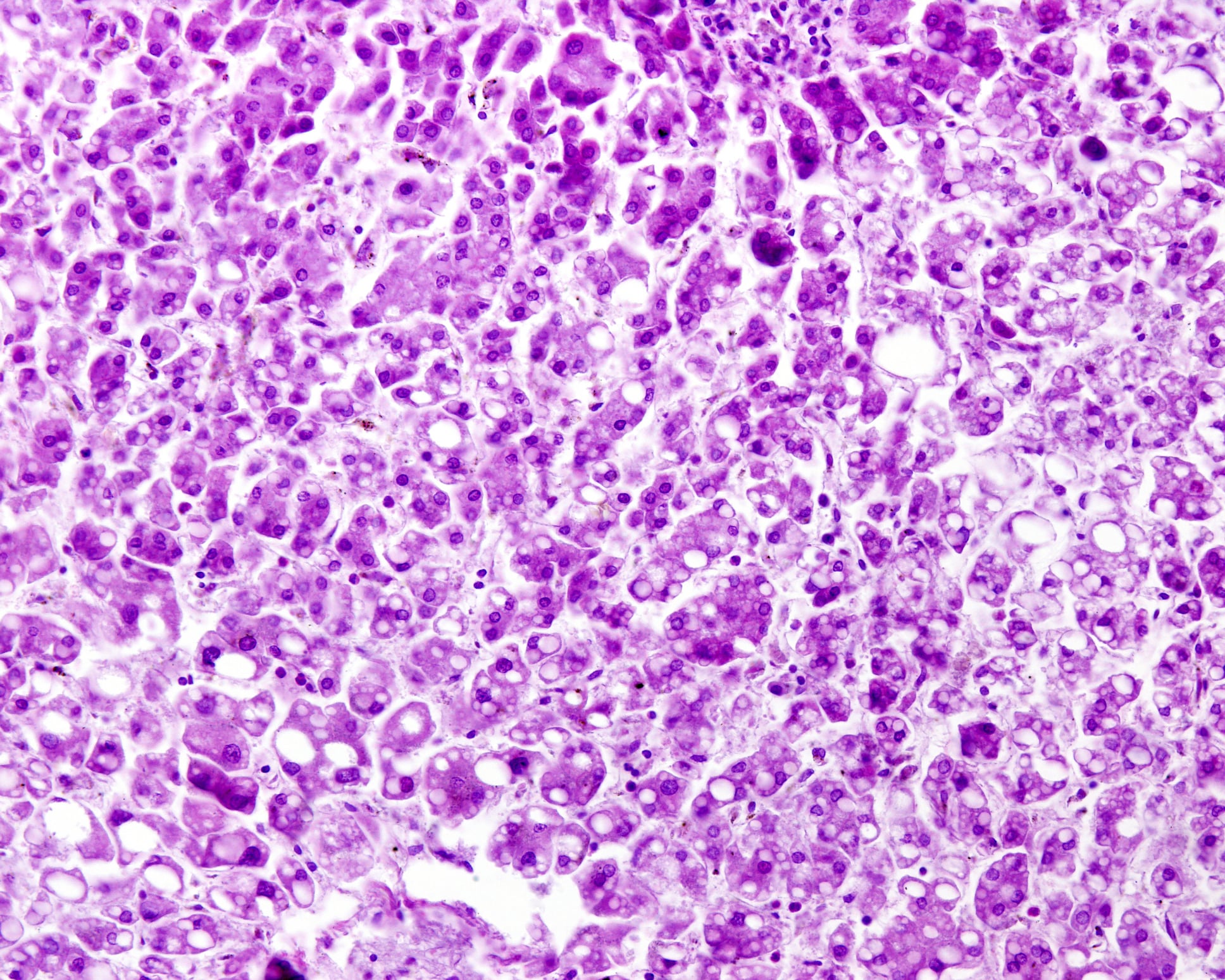
View Post 12 min This content is machine translated Hepatology and Metabolism The Mediterranean Diet for MASLD/MASH—What the EASL-EASD-EASO Guidelines Specifically Recommend Since an international Delphi consensus in 2023, the condition formerly known as nonalcoholic fatty liver disease (NAFLD) has been called MASLD— “metabolic dysfunction-associated steatotic liver disease.” It is defined as...…
View Post 18 min This content is machine translated From an antidiabetic drug to a distinct class of cardiorenal therapies The Incretin Revolution in Cardiology Within a decade, incretin mimetics have evolved from blood-sugar-lowering diabetes medications into one of the most dynamic classes of drugs in cardiovascular medicine. GLP-1 receptor agonists (GLP-1-RA) have been shown...…
View Post 12 min This content is machine translated Cardiology and Nutrition Ultra-Processed Foods and Cardiovascular Risk—The New AHA Position Ultra-processed foods (UPFs ) account for a significant portion of energy intake in Western countries—in the United States, an estimated more than half. Given this ubiquity and a growing number...…
View Post 12 min This content is machine translated Baxdrostat – a new class of drugs for treating difficult-to-control hypertension First Aldosterone Synthase Inhibitor Is Here It is the first new class of antihypertensive drugs in years: On May 18, 2026, the U.S. Food and Drug Administration (FDA) approved Baxdrostat (Baxfendy) as the first and only...…
View Post 18 min This content is machine translated From Risk Identification to Anti-Inflammatory Intervention Inflammation as a Treatment Goal in Its Own Right For decades, cardiovascular prevention was essentially a story about cholesterol. Yet a significant proportion of patients experience adverse events despite optimally controlled lipid levels—a reflection of a residual risk that...… CME-Test
View Post 11 min This content is machine translated Cardiometabolism Retatrutid and the TRIUMPH Program: The Triple Agonist on the Horizon Incretin-based obesity therapy has advanced rapidly in just a few years: from GLP-1 receptor agonists (semaglutide) to the dual GIP/GLP-1 agonist tirzepatide and on to a triple agonist. Retatrutide (LY3437943)...…
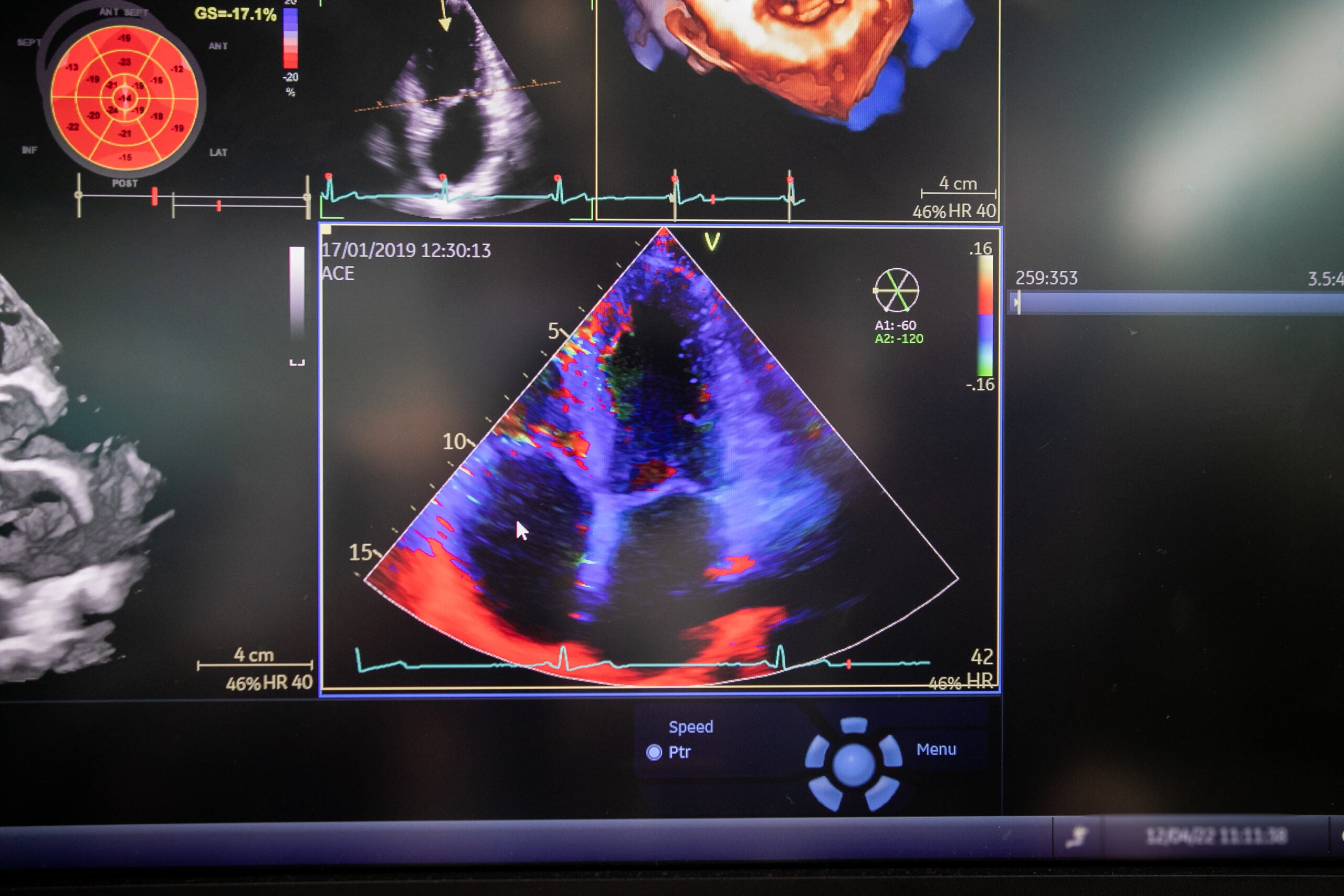
View Post 14 min This content is machine translated Focus Update 2026 Echocardiography in Cardio-Oncology With advances in oncology, more and more people are surviving cancer—and this has brought the long-term cardiovascular effects of treatment into focus. Cancer therapy-related cardiac dysfunction (CTRCD ) has become...…
View Post 5 min This content is machine translated Psoriasis in the Age of Precision Medicine Systemic Therapy for Patients with Comorbidities: What Is the Best Choice? Psoriasis is a chronic inflammatory systemic disease often associated with comorbidities, a fact that must be taken into account during treatment. Particular attention should be paid to psoriatic arthritis (PsA),...…
View Post 13 min This content is machine translated The AMALFI study and the limits of digital screening for atrial fibrillation Remote monitoring for atrial fibrillation: lots of detection, little stroke prevention? Atrial fibrillation (AF) is often asymptomatic, increases stroke risk and can be treated with anticoagulation – so the logic of screening seems compelling. New patches, loop recorders and smartwatches promise...…
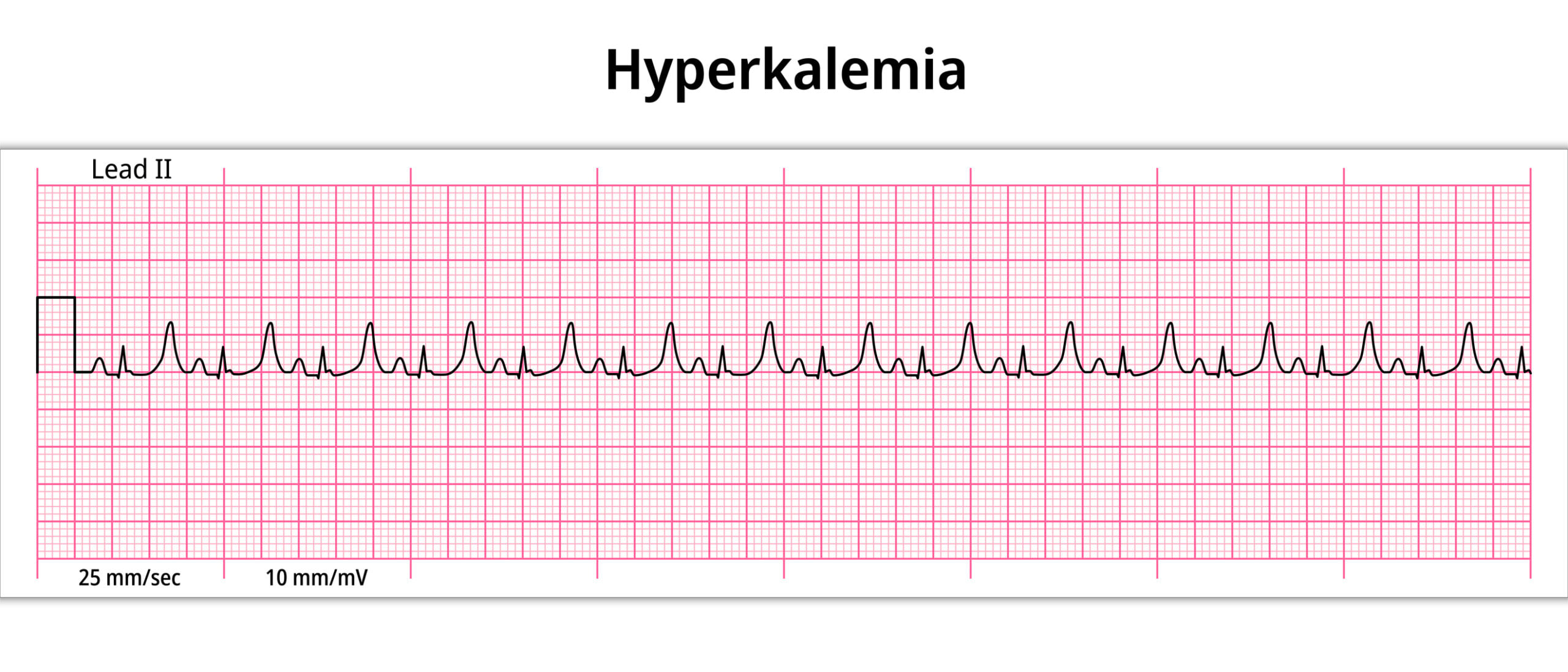
View Post 12 min This content is machine translated Why the Finerenon Boom Is Giving Hyperkalemia Treatment New Relevance Potassium binders as enablers of RAASi optimization Renin-angiotensin-aldosterone system (RAAS) inhibitors—including mineralocorticoid receptor antagonists (MRAs)—are among the most effective tools in cardiorenal medicine. However, their benefits are often undermined in everyday clinical practice because fear of hyperkalemia...…