Medizinonline Medizinonline
  • News
    • News
    • Market & Medicine
  • Patients
    • Disease patterns
    • Diagnostics
    • Therapy
  • Partner Content
    • Diabetes
      • Dia-Month Club – Type 2 Diabetes
      • Diabetes in Motion
      • Diabetes Podcasts
    • Gastroenterology
      • IBD matters
    • Oncology
      • Swiss Oncology in motion
    • Orthopedics
      • Osteoporosis in motion
  • Departments
    • Allergology and clinical immunology
    • General Internal Medicine
    • Anesthesiology
    • Angiology
    • Surgery
    • Dermatology and venereology
    • Endocrinology and Diabetology
    • Nutrition
    • Gastroenterology and Hepatology
    • Genetics
    • Geriatrics
    • Gynecology
    • Hematology
    • Infectiology
    • Cardiology
    • Nephrology
    • Neurology
    • Emergency and intensive care medicine
    • Nuclear Medicine
    • Oncology
    • Ophthalmology
    • ORL
    • Orthopedics
    • Pediatrics
    • Pharmacology and toxicology
    • Pharmaceutical medicine
    • Phlebology
    • Physical medicine and rehabilitation
    • Pneumology
    • Prevention and health care
    • Psychiatry and psychotherapy
    • Radiology
    • Forensic Medicine
    • Rheumatology
    • Sports Medicine
    • Traumatology and trauma surgery
    • Tropical and travel medicine
    • Urology
    • Dentistry
  • CME & Congresses
    • CME continuing education
    • Congress Reports
    • Congress calendar
  • Practice
    • Noctimed
    • Practice Management
    • Jobs
    • Interviews
  • Log In
  • Register
  • My account
  • Contact
  • Publications
  • Contact
  • Deutsch
  • English
  • Français
  • Italiano
  • Português
  • Español
Subscribe
Medizinonline Medizinonline
  • News
    • News
    • Market & Medicine
  • Patienten
    • Krankheitsbilder
    • Diagnostik
    • Therapie
  • Partner Content
    • Diabetes
      • Dia-Month Club – Type 2 Diabetes
      • Diabetes in Motion
      • Diabetes Podcasts
    • Gastroenterology
      • IBD matters
    • Oncology
      • Swiss Oncology in motion
    • Orthopedics
      • Osteoporosis in motion
    • Phytotherapie
    • Rheumatology
  • Departments
    • Fachbereiche 1-13
      • Allergology and clinical immunology
      • General Internal Medicine
      • Anesthesiology
      • Angiology
      • Surgery
      • Dermatology and venereology
      • Endocrinology and Diabetology
      • Nutrition
      • Gastroenterology and Hepatology
      • Genetics
      • Geriatrics
      • Gynecology
      • Hematology
    • Fachbereiche 14-26
      • Infectiology
      • Cardiology
      • Nephrology
      • Neurology
      • Emergency and intensive care medicine
      • Nuclear Medicine
      • Oncology
      • Ophthalmology
      • ORL
      • Orthopedics
      • Pediatrics
      • Pharmacology and toxicology
      • Pharmaceutical medicine
    • Fachbereiche 26-38
      • Phlebology
      • Physical medicine and rehabilitation
      • Phytotherapy
      • Pneumology
      • Prevention and health care
      • Psychiatry and psychotherapy
      • Radiology
      • Forensic Medicine
      • Rheumatology
      • Sports Medicine
      • Traumatology and trauma surgery
      • Tropical and travel medicine
      • Urology
      • Dentistry
  • CME & Congresses
    • CME continuing education
    • Congress Reports
    • Congress calendar
  • Practice
    • Noctimed
    • Practice Management
    • Jobs
    • Interviews
Login

Sie haben noch keinen Account? Registrieren

  • Encephalitis

Despite many treatment options, lethality remains high

    • Congress Reports
    • Infectiology
    • Neurology
    • RX
  • 3 minute read

At the annual meeting of the Swiss Neurological Society in late October 2014, a session focused on encephalitides. These acute life-threatening diseases are rare, but the different etiologies and therapies pose a tremendous challenge. Anti-NMDAR encephalitis, which is based on an autoimmune reaction against NMDA receptors, is being diagnosed with increasing frequency.

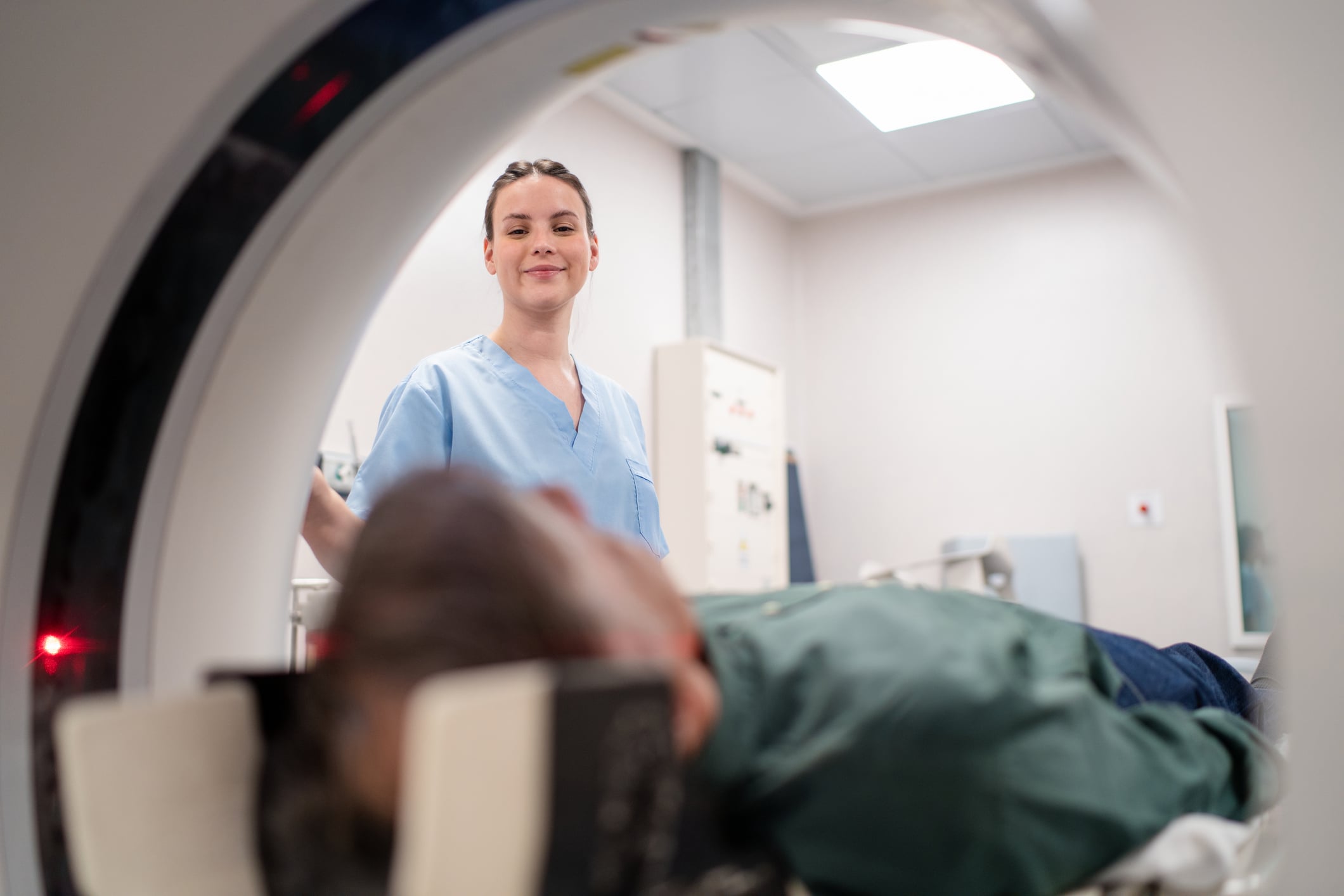
(ee) Prof. Randolf Klingebiel, MD, Neuroradiology in the Park, Zurich, provided information on the various aspects of imaging. Encephalitides present challenges in several ways. Despite different causes, patients often present with similar clinical symptoms, and under immunosuppression, symptoms and course are often atypical. Even with treatment, the lethality is high: it is 15-20% for meningococcal encephalitis and even 20-30% for herpes simplex encephalitis. There are a variety of possible complications (herniation, ischemia, etc.), and treatment as early as possible (<3 hours) is essential.

Clinical symptoms determine imaging

The relevance of imaging depends on the clinical presentation. In the meningitic form with fever, headache, vomiting, and neck stiffness (no loss of consciousness), treatment is started immediately after blood samples and CSF are obtained; imaging is done afterward. In the encephalitic form (impaired consciousness, behavioral changes, focal neurologic deficits such as seizures or cranial nerve deficits), imaging is performed after the initial clinical examination, followed by blood and CSF sampling and empiric therapy.

Upon admission to the hospital, emergency imaging is ordered in two situations:

  1. For encephalitis symptoms – a CT is usually sufficient.
  2. If purulent CSF has already been collected: Sources of infection such as sinusitis, which can be addressed surgically, must be excluded.

In the course, imaging may become necessary if complications occur, the response to therapy needs to be monitored, or structural changes need to be documented.
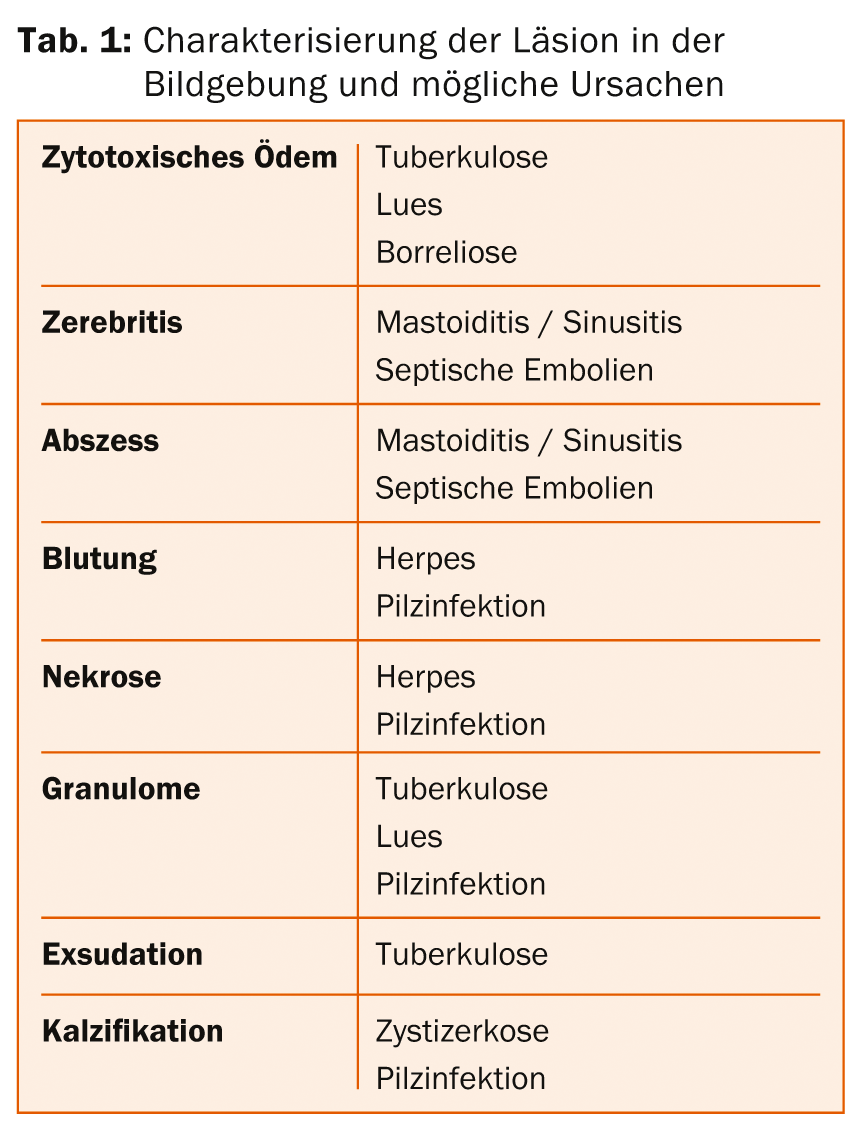
CT and MRI are the primary imaging modalities available, but ultrasound and angiography may also be used for specific issues. Weighting plays a significant role in MRI, as certain structures can only be visualized with the appropriate form of imaging, e.g., microabscesses, differentiation between vasogenic and cytotoxic edema, or the exact extent of an empyema. CT, on the other hand, is good for diagnosing intracranial pressure elevation and for visualizing the skull, skull base, and midface (e.g., sinusitis/mastoiditis), vessels and vascularization, calcifications, and hemorrhages. The character of an intracranial lesion often already gives clues to the cause (Table 1).
Autoimmune encephalitis

The “new” disease anti-NMDAR encephalitis was presented by Josep Dalmau, MD, PhD, University of Barcelona (Spain) and University of Pennsylvania (USA). In 50% of patients with encephalitis, the etiology remains unknown. It is likely that a proportion of these patients suffer from anti-NMDAR encephalitis, in which antibodies to the N-methyl-D-aspartate (NMDA) receptor are produced in the hippocampus. The disease was first described in 2007. It begins with prodromal symptoms such as agitation, psychotic episodes, catatonia, memory, speech, and movement disorders, or seizures; as it progresses, consciousness disorders, hypoventilation, and dysautonomia are added. Psychotic symptoms are often the first signs, and patients are initially treated in psychiatric institutions until other symptoms are added.

Patients usually spend weeks to months intubated in the ICU, and when they awaken, symptoms resolve as they occur. Very exceptionally, the MRI remains unremarkable throughout the disease. Most patients have complete amnesia for the duration of the disease after recovery, which is, as the speaker put it, “probably a blessing for them.” Recovery can take a long time, but steady improvement occurs in most cases; after 24 months, about 80% of patients have a score of 0 (no symptoms) to 2 (mild impairment) on the modified Rankin scale.

Anti-NMDAR encephalitis predominantly affects women under 40 years of age, with an age peak between 18 and 29 years. Approximately 50% of patients over 14 years of age have a paraneoplastic syndrome due to a previously undiagnosed teratoma. The older the patient, the more likely the association with teratoma. Relapses are more common in patients without tumor and without immunotherapy (corticosteroids, intravenous immunoglobulins, plasmapheresis, rituximab, cyclophosphamide 9).

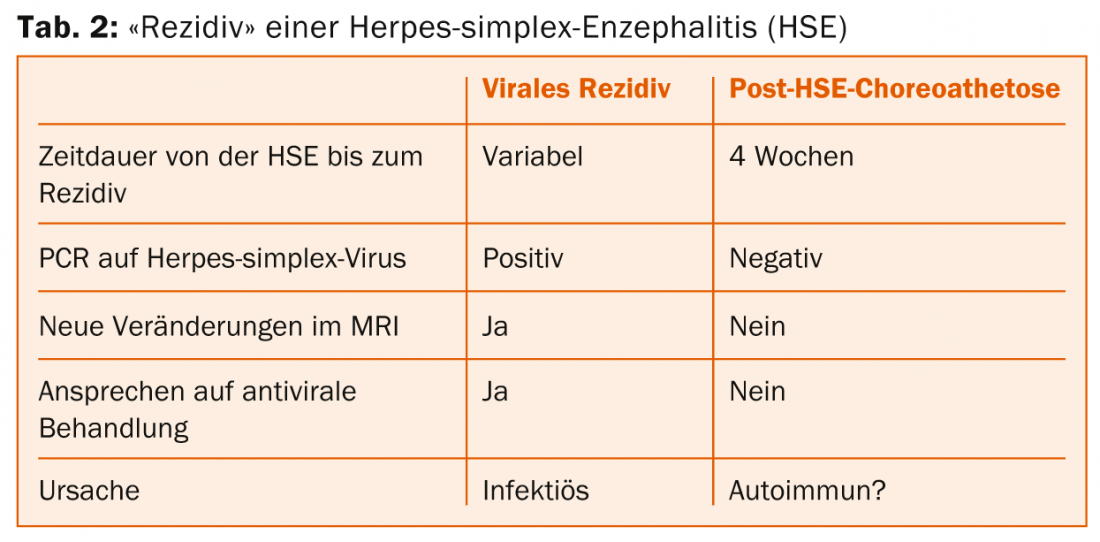
A number of other syndromes have now been described in which antibodies are formed against neuronal surface proteins or synaptic proteins. Clinical symptoms include encephalitis, seizures, psychosis, and agitation, as well as gastrointestinal symptoms (diarrhea). The discovery of these antibodies and their effects has overturned paradigms in the diagnosis and treatment of various neurological and psychiatric disorders. For example, there is evidence that certain “recurrences” of herpes simplex encephalitis with choreoathetosis are not true recurrences but autoimmune encephalitides (Table 2).
Source: 2014 Joint Annual Meeting of the Swiss Society of Critical Care Medicine and the Swiss Neurological Society, October 29-31, 2014,
Interlaken


InFo NEUROLOGY & PSYCHIATRY 2014; 12(6): 42-43.
Autoren
  • Dr. med. Eva Ebnöther
Publikation
  • InFo NEUROLOGIE & PSYCHIATRIE
Related Topics
  • Angiography
  • Catatonia
  • CSF
  • CT
  • encephalitis
  • Herpes simplex
  • HSE
  • Imaging
  • MRI
  • NMDAR
  • pCR
  • Teratoma
  • Ultrasound
Previous Article
  • Meningiomas

Therapeutic options for recurrent or metastatic tumors

  • Congress Reports
  • Neurology
  • Oncology
  • RX
  • Studies
View Post
Next Article
  • Specific oncological and social problems

Cancer in young adults: Experts call for treatment protocols

  • Congress Reports
  • Oncology
  • Pediatrics
  • RX
View Post
You May Also Like
View Post
  • 6 min
  • Acute pulmonary embolism: new AHA/ACC guideline

Practical recommendations for risk-stratified triage

    • Cardiology
    • Education
    • Pneumology
    • RX
    • Studies
View Post
  • 13 min
  • Why lipoprotein(a) is the biggest therapeutic vacuum in cardiology

Lp(a): The underestimated risk factor before the turning point

    • Cardiology
    • Education
    • Endocrinology and Diabetology
    • RX
    • Studies
View Post
  • 11 min
  • Modern system therapeutics for hidradenitis suppurativa

Immunological dysregulation in the sights of several biologics and “small molecules”

    • Allergology and clinical immunology
    • Dermatology and venereology
    • Education
    • RX
    • Studies
View Post
  • 15 min
  • Perimenopausal depression, PMDS and tokophobia

Psychosomatics and mental health in gynecology

    • Education
    • Gynecology
    • Psychiatry and psychotherapy
    • RX
    • Studies
View Post
  • 8 min
  • Proteins in wound healing

Do special amino acids lead to success?

    • CME continuing education
    • Dermatology and venereology
    • Endocrinology and Diabetology
    • Nutrition
    • RX
    • Studies
View Post
  • 7 min
  • Plastic surgery and reconstructive microsurgery for DFS

Functional limb preservation between infection control, vascular medicine and resurfacing

    • Angiology
    • CME continuing education
    • Endocrinology and Diabetology
    • General Internal Medicine
    • Geriatrics
    • Physical medicine and rehabilitation
    • RX
    • Surgery
View Post
  • 9 min
  • Polycystic ovary syndrome 2025/2026

New pathophysiology, updated diagnostics and the age of incretin mimetics

    • Education
    • Gastroenterology and Hepatology
    • General Internal Medicine
    • Gynecology
    • Pharmacology and toxicology
    • RX
    • Studies
View Post
  • 14 min
  • Heart failure and type 2 diabetes

Oral semaglutide and cardiac decompensation in type 2 diabetes

    • Cardiology
    • Education
    • Endocrinology and Diabetology
    • RX
    • Studies
  • IBD matters

    Zum Thema
Top CME content
  • 1
    Functional limb preservation between infection control, vascular medicine and resurfacing
  • 2
    Do special amino acids lead to success?
  • 3
    Do special amino acids lead to success?
  • 4
    Current status of PAT
  • 5
    Surgical wound complications

Newsletter

Sign up and stay up to date

Subscribe
Medizinonline Medizinonline
  • Contact
  • General terms and conditions
  • Imprint

Input your search keywords and press Enter.