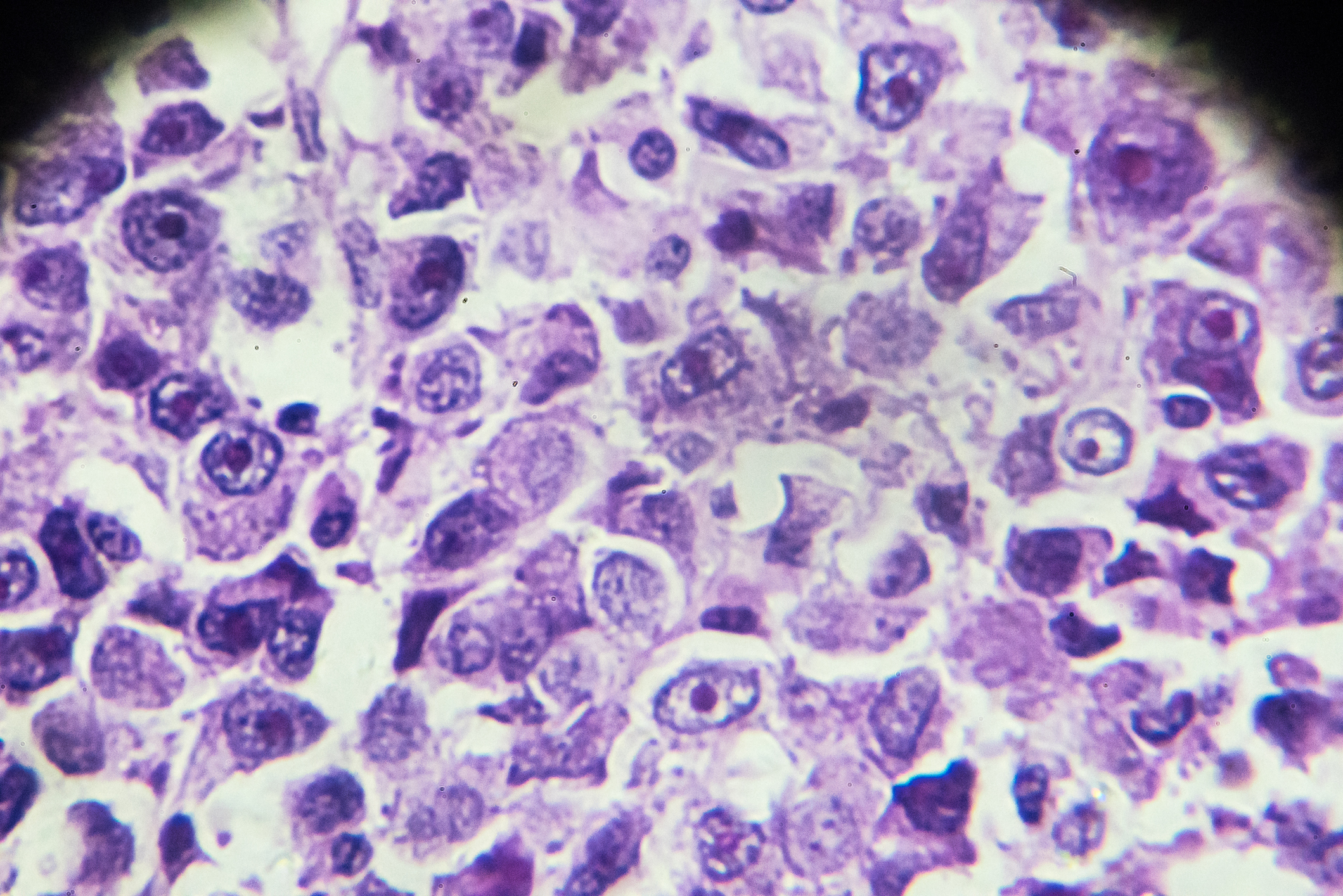
With the public availability of ChatGPT 3.5 in fall 2022 at the latest, artificial intelligence in the sense of large language models (LLMs) is on everyone’s lips. However, it is often forgotten that this is only the provisional end point of decades of development of artificial intelligence, which, despite its great potential, still has many limitations. The question for practising doctors is how this technology can be used sensibly in everyday clinical practice – and how it should not be used.
Autoren
- Dr. med. Lukas Dürst
- Dr. med. Marc Oertle
Publikation
- InFo ONKOLOGIE & HÄMATOLOGIE

Related Topics
You May Also Like
- Psychooncology
Communication as the key to therapy adherence
- The Brain and the Motivation to Eat
Why is it so hard to lose weight?
- Omaveloxolone for Friedreich's Ataxia
Efficacy and Safety Studied Over 6 Years
- Psoriasis: therapy with biologics and TYK-2-i
Progress assessments based on current long-term and real-world data
- Hypertension: the most important facts for daily practice
Early dual antihypertensive therapy is usually indicated
- Escitalopram for anxiety disorders
Positive effect, but no immediate improvement in symptoms
- Helicobacter pylori infection
Simplified dual therapy beats quadruple regimen
- Gastric carcinoma