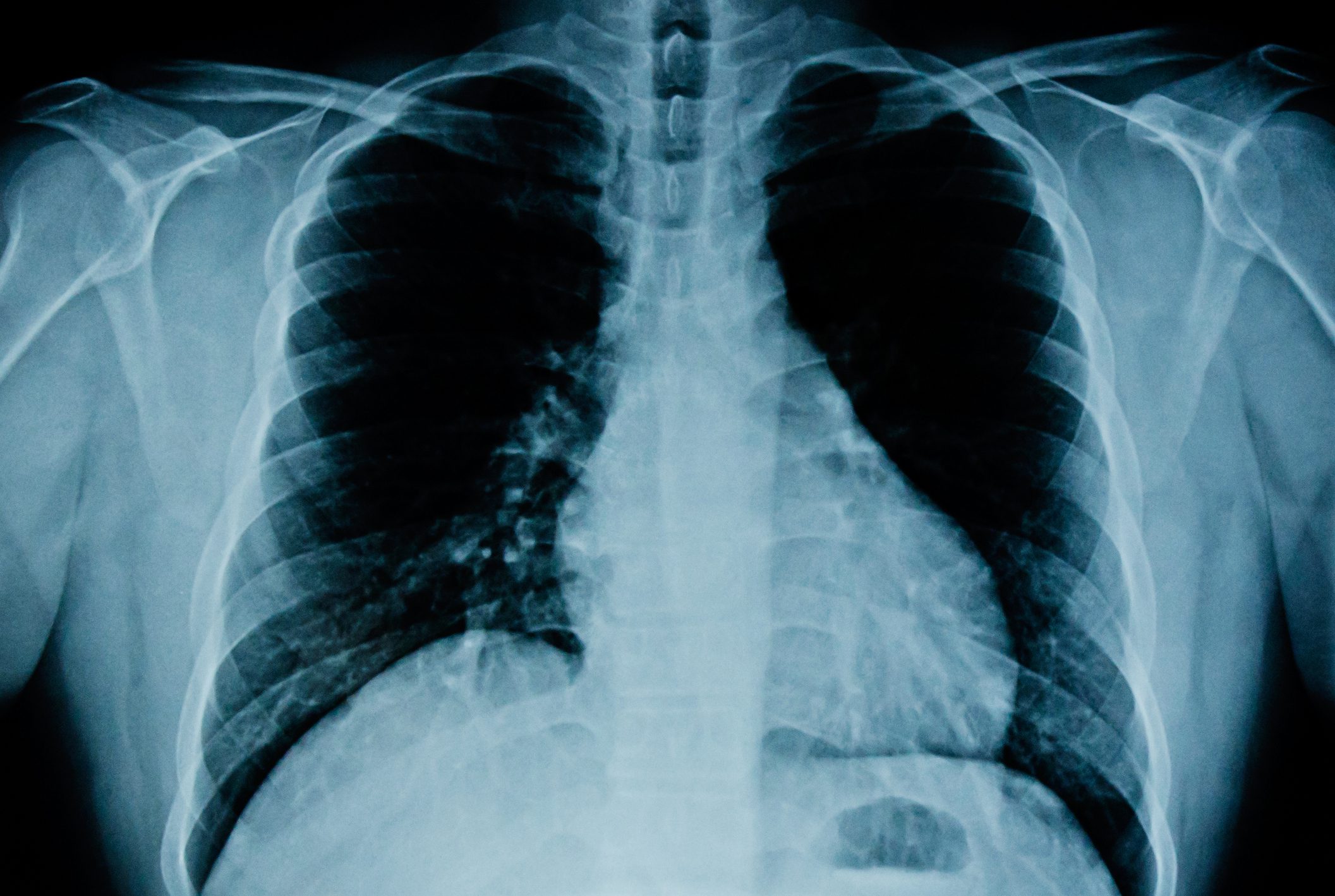
There are various reasons why patients with chronic lung diseases experience renewed exacerbations and associated rehospitalizations after discharge from hospital. The most vulnerable patient groups are those with comorbidities such as diabetes or cardiovascular disease. At system level, shortcomings in the transition to the outpatient setting and economic disincentives due to flat rates per case are some of the reasons. Measures that can help to reduce the risk of re-hospitalization include outpatient or inpatient rehabilitation for COPD and asthma patients.
Autoren
- Mirjam Peter, M.Sc.
Publikation
- HAUSARZT PRAXIS

Related Topics
You May Also Like
- Neuroendocrine tumors
Precision medicine in diagnostics and therapy
- Irritable Bowel Syndrome
Functional disorder of gut-brain interaction – a biopsychosocial concept
- GLP1 receptor agonists
Positive influence on substance use and addiction
- Sleep apnea and cardiovascular diseases
Breathless through the night
- Diagnostics, differentiation and multimodal therapy
Vulvar diseases and vulvodynia
- From symptom to diagnosis
Abdominal pain – Prostate lipoma
- Acute pulmonary embolism: new AHA/ACC guideline
Practical recommendations for risk-stratified triage
- Why lipoprotein(a) is the biggest therapeutic vacuum in cardiology