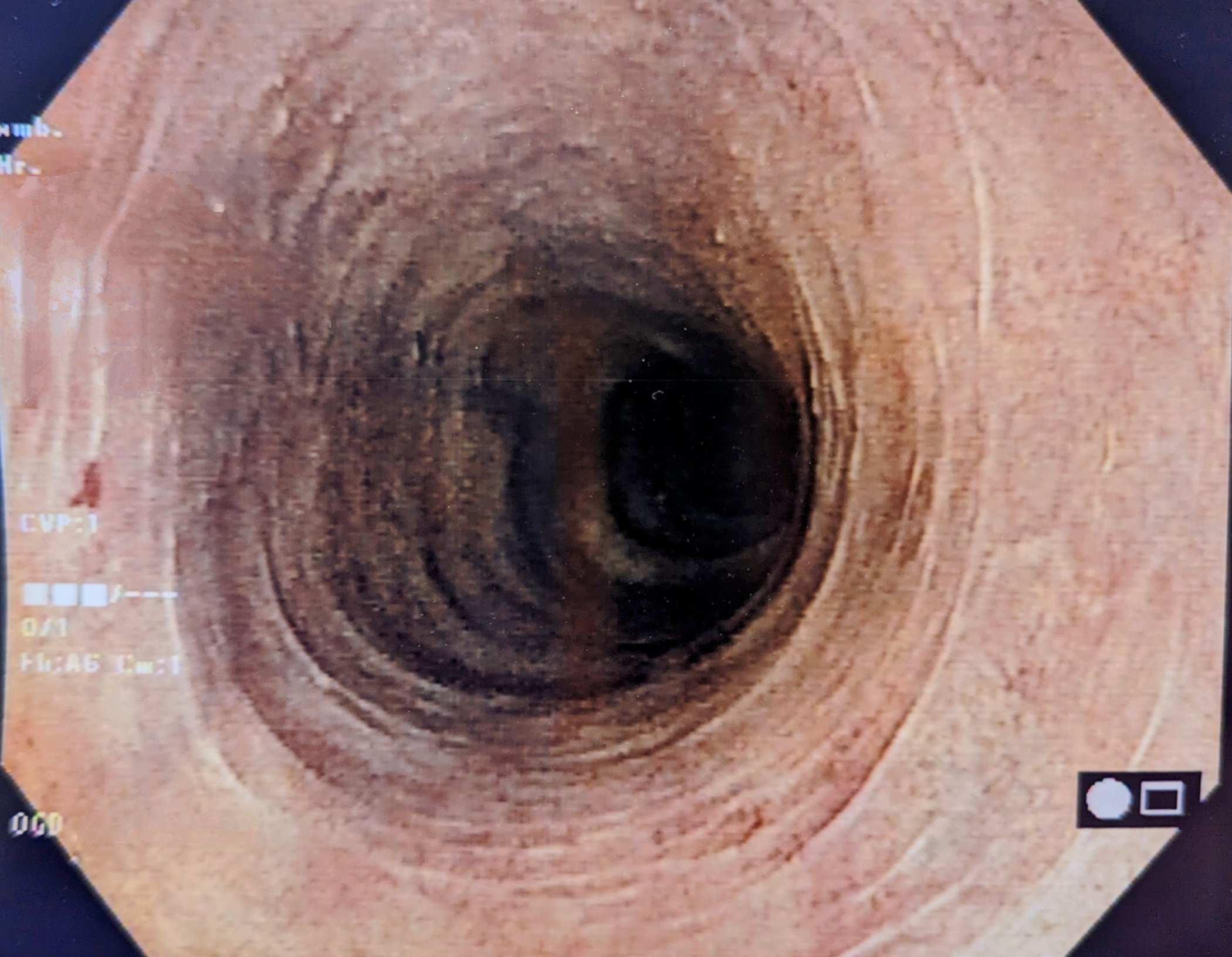
Eosinophilic oesophagitis (EoE) is still inadequately treated in terms of its association with other type 2 inflammatory diseases (T2). Italian researchers attempted to close this gap. Their conclusion: In EoE patients, it is no longer sufficient to rely on medical history or isolated specialist input. A structured, multidisciplinary assessment improves diagnostic accuracy, identifies therapeutic targets and enables a more individualized treatment plan.
Autoren
- Jens Dehn
Publikation
- GASTROENTEROLOGIE PRAXIS
Related Topics
You May Also Like
- From symptom to diagnosis
Abdominal pain – external hernias
- Mechanisms, evidence and therapeutic consequences
GLP-1 receptor agonists in cardiology
- MASLD/MASH
Drug therapy options on the rise: spectacular evidence
- New ways of neuroregeneration
CRISPR and artificial intelligence
- Asbestos victims
Federal Council has decided to amend the UVG
- Music as a cure for cancer?
Music therapy in Swiss oncology
- Clinical significance, pathophysiology, diagnosis and management
Frailty in COPD
- Bladder infections and urinary tract infections