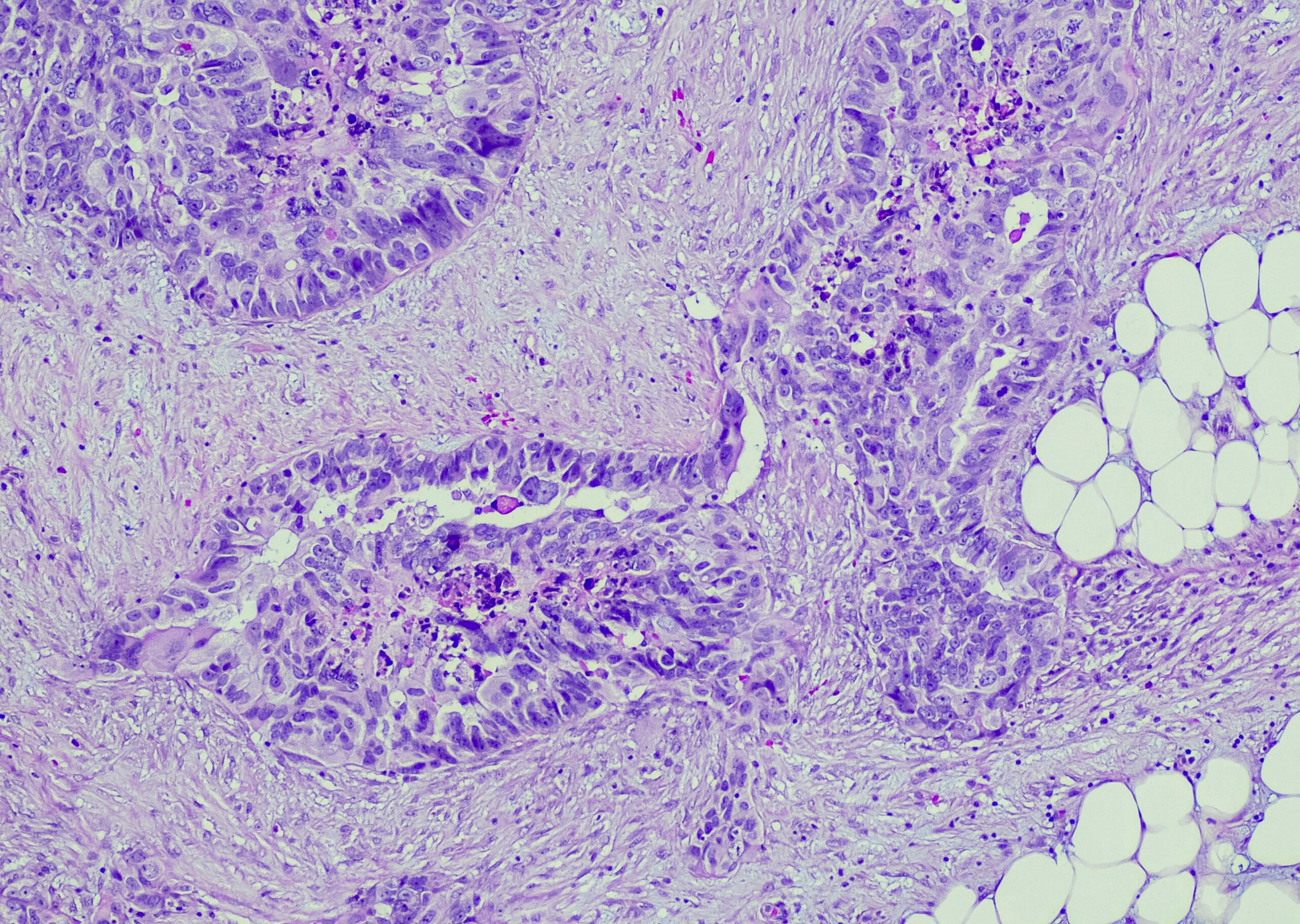
The co-occurrence of heart failure (HF) and diabetes leads to a higher risk of complications, higher mortality and worse outcomes than either disease alone. Studies have shown the importance of epicardial adipose tissue (EAT) in the progression of cardiovascular disease. Its proximity to the myocardium, combined with its proinflammatory properties in disease, has sparked interest in the role of EAT in HF, particularly in patients with type 2 diabetes (T2D).
Autoren
- Jens Dehn
Publikation
- InFo DIABETOLOGIE & ENDOKRINOLOGIE
Related Topics
You May Also Like
- Severe acute pancreatitis
COX-2 inhibition alleviates inflammation and improves outcomes
- Ulcerative colitis
Rgs14 protein can worsen the severity
- Mastocytosis
Innovative pathogenesis-based therapeutic approaches in the pipeline
- Participation of the patient
Adherence in psychiatry
- Psychooncology
Communication as the key to therapy adherence
- From symptom to diagnosis
Renal cell carcinoma
- Lipid management: ESC/EAS guideline update 2025
New recommendations on CVD risk classification, lipid lowering in statin intolerance and hoFH
- Chronically active MS lesions