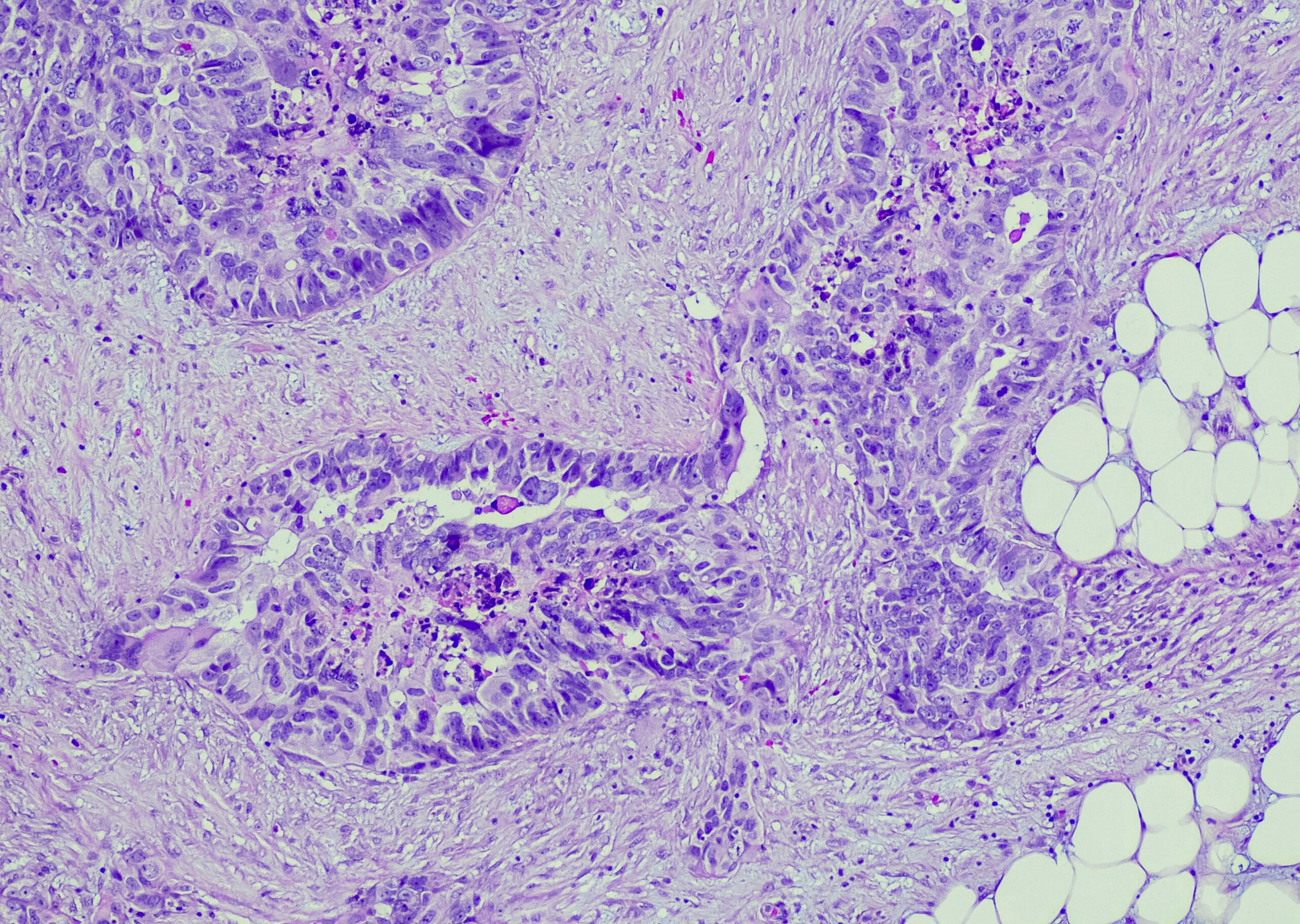
This year’s congress of the European Society for Medical Oncology , which took place in Berlin from October 17 to 21, 2025, offered an impressive variety of topics on numerous tumor entities and therapeutic approaches. These were presented in various formats. These included interactive formats such as the “Challenge your Expert” sessions, in which the audience could ask questions, make critical comments and confront the experts with practical challenges. In the “Challenge your Expert-Session-Gynae-Cancers”, David M. Gershenson presented new therapeutic approaches for low-grade serous ovarian cancer (LGSOC). His presentation focused on the development of innovative combination therapies that go beyond the current standards of chemotherapy and hormone therapy and open up new horizons for the treatment of this rare tumor entity.
Autoren
- Dr. oec. Odile Schwarz-Herion
Publikation
- InFo ONKOLOGIE & HÄMATOLOGIE

Related Topics
- BRAF
- Chemotherapy + Letrozole versus Letrozole
- Combination therapy
- Hormonal therapy
- international Phase II/III study GOG 0281
- Johns Hopkins study
- KRAS
- Low grade serous ovarian carcinoma (LGSOC)
- Maintenance therapy
- MAP kinase signaling pathway mutation
- MD Anderson Cancer Center (MDACC)
- Mixed tumors LGSOC and HGSOC
- molecular precision medicine
- NRAS
You May Also Like
- Obesity: A Multimodal and Interdisciplinary Approach
New Swiss Clinical Practice Guideline Provides Guidance
- cSCC: Personalizing Treatment Strategies and Follow-up Care Plans
Comprehensive risk stratification is no simple matter: what’s new?
- Baxdrostat – a new class of drugs for treating difficult-to-control hypertension
First Aldosterone Synthase Inhibitor Is Here
- Geriatric Small-Cell Lung Cancer
Therapeutic Challenges
- Chronic Pruritus in Renal, Hepatic, and Biliary Tract Diseases
Pooled Expertise for Targeted Evaluation and Treatment
- Advanced Thyroid Cancer
Molecular Mechanisms and New Therapeutic Approaches
- Epidermolysis bullosa
Promoting Wound Healing with Gene Therapies and Birch Bark Extract
- From Risk Identification to Anti-Inflammatory Intervention