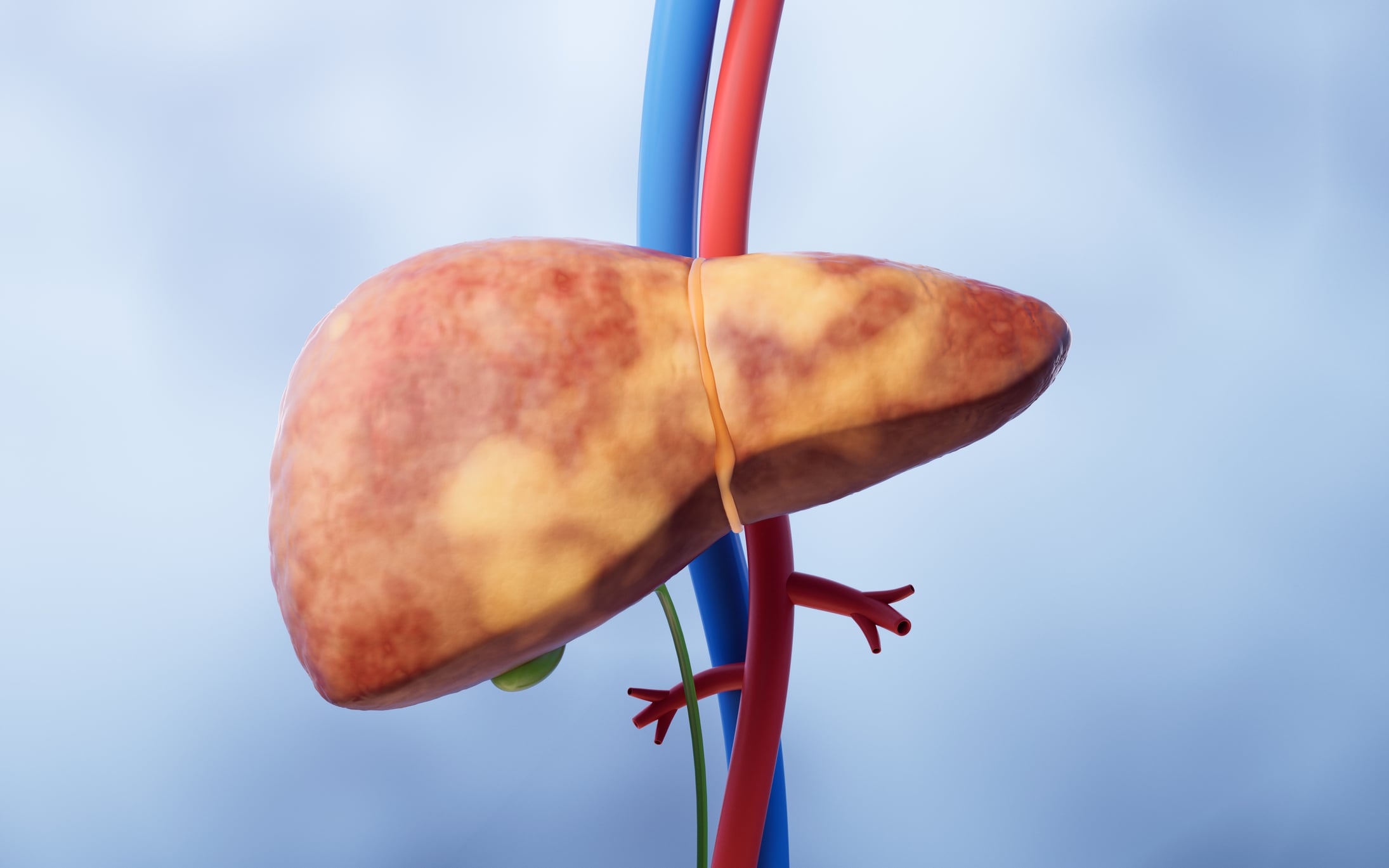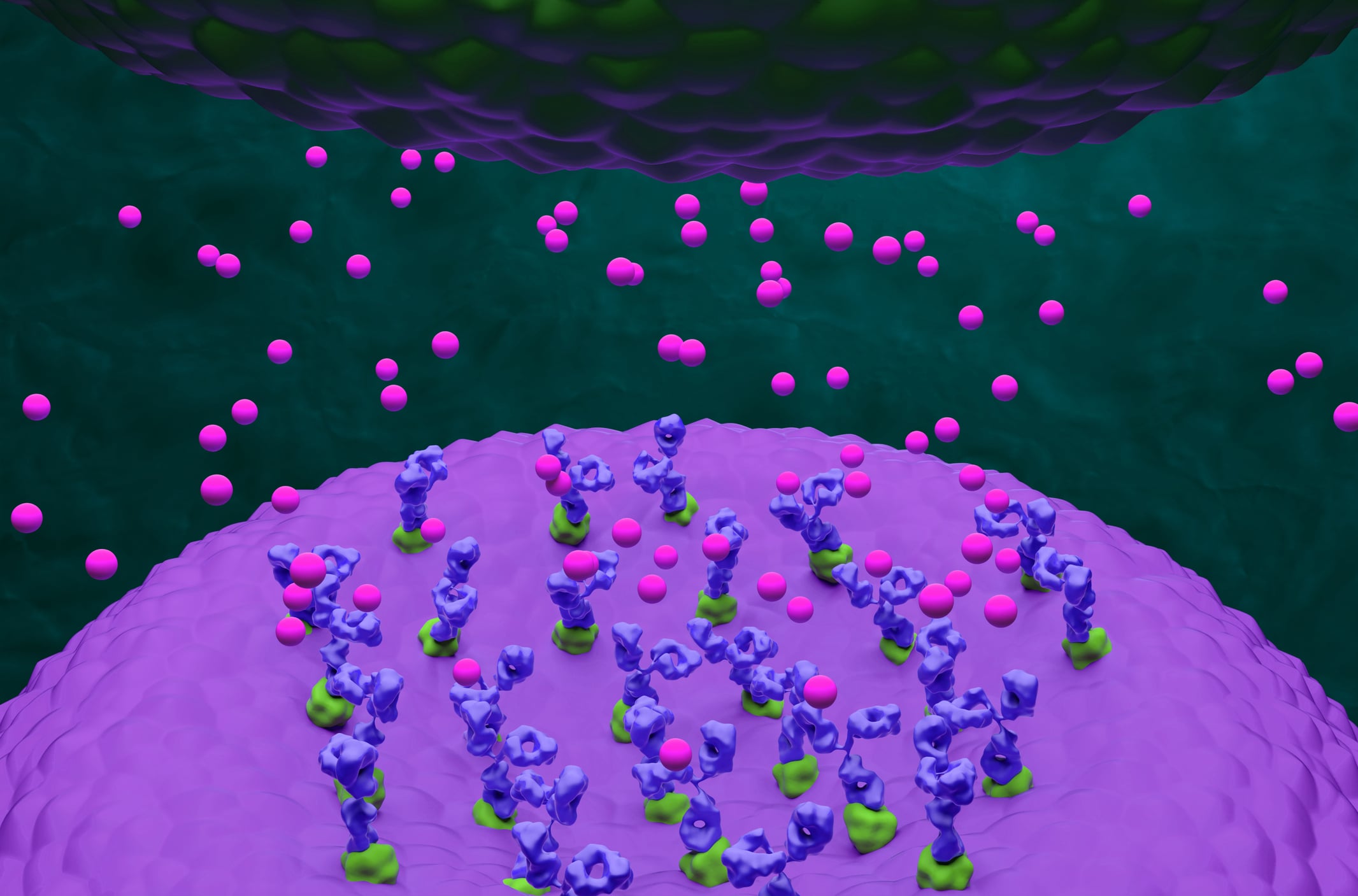
The global increase in diabetes mellitus is leading to a parallel increase in the incidence of cardiovascular complications, which remain the leading cause of death in this patient group. In recent years, the discovery of ferroptosis, an iron-dependent and non-apoptotic form of programmed cell death, has provided new insights into the pathophysiology of diabetes-associated heart disease. This review article deepens the understanding of the molecular mechanisms underlying ferroptosis in the cardiovascular system in diabetes and highlights innovative pharmacological and experimental therapeutic approaches that target ferroptosis pathways.
Autoren
- Tanja Schliebe
Publikation
- CARDIOVASC
- InFo DIABETOLOGIE & ENDOKRINOLOGIE

Related Topics
You May Also Like
- Secondary prevention after ACS: individually optimized lipid management
Trend towards early combination therapy and new strategies for lowering Lp(a)
- Pediatric Brain Tumors
Psychiatry versus Neuro-Oncology: Diagnostic Pitfalls
- What the latest studies on the entire EF spectrum mean for clinical practice
Heart Failure – The 2026 Evidence Update
- Acute ischemic stroke
Alteplase and Tenecteplase Are on the Same Level
- CKD in People with Type 2 Diabetes: Evidence-Based, Optimized Treatment
SGLT-2 inhibitors and GLP-1 receptor agonists: significant improvement in renal outcomes
- Wearables: screening via smartwatch?
New study on atrial fibrillation in high-risk patients
- Planning a Family, Pregnancy, and Breastfeeding
Update on Anti-Rheumatic Medications
- Peristomal skin health