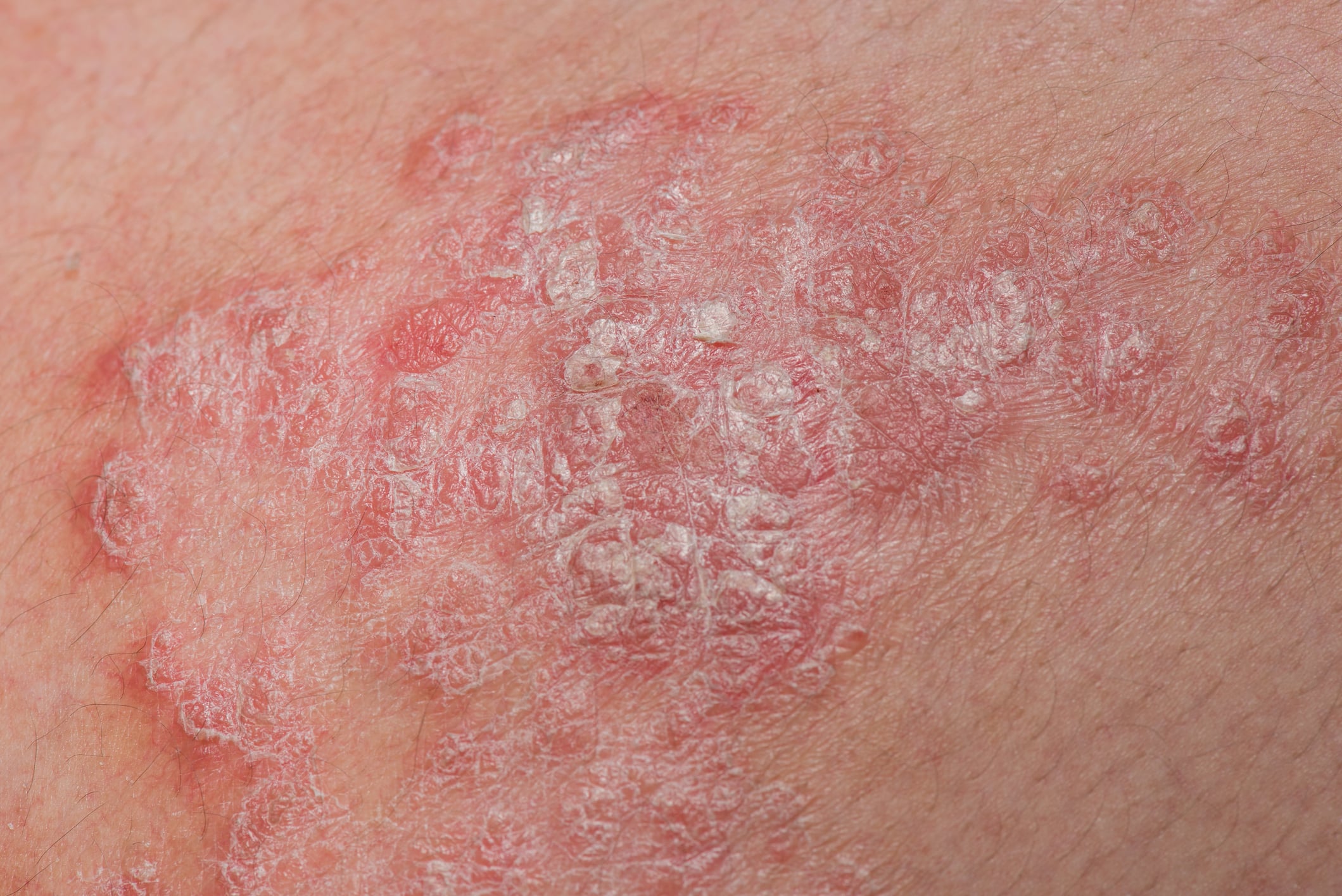
Psoriasis sufferers often have invisible inflammation in the small intestine along with a tendency to increased permeability of the intestinal barrier (“leaky gut”), according to recently published research from Uppsala University. These changes in the intestine are a possible explanation for why psoriasis patients often have gastrointestinal problems and are susceptible to developing Crohn’s disease.
Autoren
- Mirjam Peter, M.Sc.
Publikation
- DERMATOLOGIE PRAXIS

Related Topics
You May Also Like
- Type 1 Diabetes: A New Disease-Modifying Treatment Approach
Slowing the loss of β-cell function and delaying the progression of the disease
- Liver Cancer
Artificial Intelligence in Precision Oncology—Opportunities and Challenges
- Acute nonspecific back pain
Implementing a biopsychosocial approach
- Psychedelic-assisted therapy
Current status of PAT
- Neuropathic Pain
Evidence-Based Neuromodulation Based on Clinical Trials and Real-World Data
- Fibromyalgia Syndrome
Development, Diagnosis, Epidemiology, and Treatment of a Disease Entity
- Juvenile Idiopathic Arthritis
Early Detection and Targeted Treatment in an Interdisciplinary Setting
- Innovative Oral Treatment Options for Psoriasis: Icotrokinra and Zasocitinib