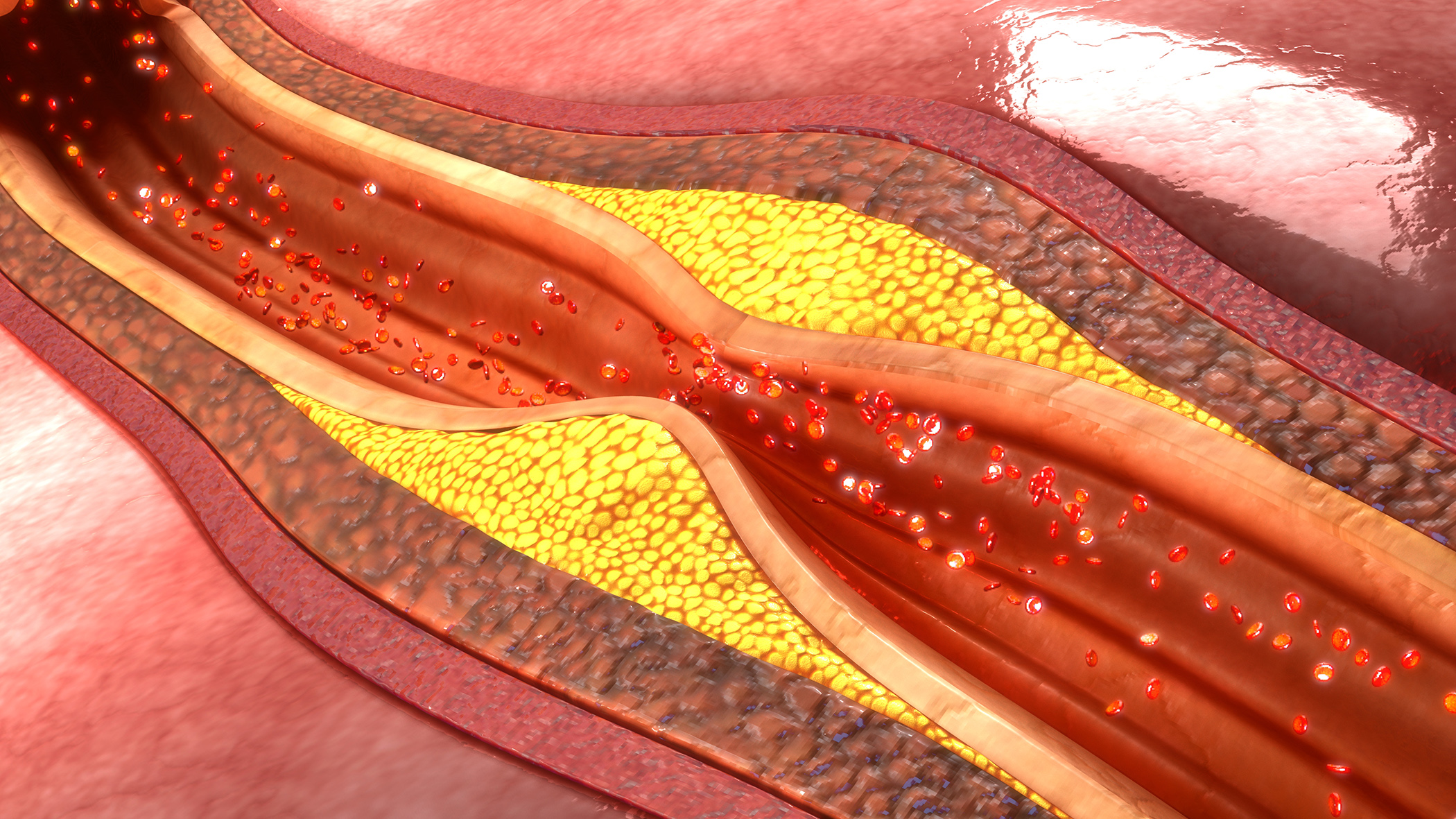
Coronary heart disease (CHD) is one of the most common heart diseases worldwide and is currently grouped into two syndromes: acute coronary syndrome (ACS) and chronic coronary syndrome (CCS). Following revascularization, patients with ACS and CCS are usually treated in the medium and long term by both general practitioners and cardiologists. The current guidelines of the European Society of Cardiology (ESC) emphasize that the assessment of the individual ischemia and bleeding risk is an important basis for the choice of an adequate antithrombotic strategy.
Autoren
- Mirjam Peter, M.Sc.
Publikation
- HAUSARZT PRAXIS
Related Topics
You May Also Like
- Lavender aromatherapy
Take away the fear of the dentist
- Digital dermatology: innovative project examples
AI and eHealth tools in HS care
- Mantle cell lymphoma
Recurrence after BTK inhibition – prognostic factors and treatment options
- Dementia risk with type 2 diabetes
SGLT2 inhibitors with advantages vs. DPP4 inhibitors
- T helper 1 cells
Differentiation and activation of Th1 cells – a multi-omics approach
- Cannabis for schizophrenia
CBD pre-treatment could exacerbate side effects
- Type 2 diabetes: cardiovascular risk reduction is realistic
Modern active ingredients and lifestyle – every step counts
- Case study