Medizinonline Medizinonline
  • News
    • News
    • Market & Medicine
  • Patients
    • Disease patterns
    • Diagnostics
    • Therapy
  • Partner Content
    • Diabetes
      • Dia-Month Club – Type 2 Diabetes
      • Diabetes in Motion
      • Diabetes Podcasts
    • Gastroenterology
      • IBD matters
    • Oncology
      • Swiss Oncology in motion
    • Orthopedics
      • Osteoporosis in motion
  • Departments
    • Allergology and clinical immunology
    • General Internal Medicine
    • Anesthesiology
    • Angiology
    • Surgery
    • Dermatology and venereology
    • Endocrinology and Diabetology
    • Nutrition
    • Gastroenterology and Hepatology
    • Genetics
    • Geriatrics
    • Gynecology
    • Hematology
    • Infectiology
    • Cardiology
    • Nephrology
    • Neurology
    • Emergency and intensive care medicine
    • Nuclear Medicine
    • Oncology
    • Ophthalmology
    • ORL
    • Orthopedics
    • Pediatrics
    • Pharmacology and toxicology
    • Pharmaceutical medicine
    • Phlebology
    • Physical medicine and rehabilitation
    • Pneumology
    • Prevention and health care
    • Psychiatry and psychotherapy
    • Radiology
    • Forensic Medicine
    • Rheumatology
    • Sports Medicine
    • Traumatology and trauma surgery
    • Tropical and travel medicine
    • Urology
    • Dentistry
  • CME & Congresses
    • CME continuing education
    • Congress Reports
    • Congress calendar
  • Practice
    • Noctimed
    • Practice Management
    • Jobs
    • Interviews
  • Log In
  • Register
  • My account
  • Contact
  • Publications
  • Contact
  • Deutsch
  • English
  • Français
  • Italiano
  • Português
  • Español
Subscribe
Medizinonline Medizinonline
  • News
    • News
    • Market & Medicine
  • Patienten
    • Krankheitsbilder
    • Diagnostik
    • Therapie
  • Partner Content
    • Diabetes
      • Dia-Month Club – Type 2 Diabetes
      • Diabetes in Motion
      • Diabetes Podcasts
    • Gastroenterology
      • IBD matters
    • Oncology
      • Swiss Oncology in motion
    • Orthopedics
      • Osteoporosis in motion
    • Phytotherapie
    • Rheumatology
  • Departments
    • Fachbereiche 1-13
      • Allergology and clinical immunology
      • General Internal Medicine
      • Anesthesiology
      • Angiology
      • Surgery
      • Dermatology and venereology
      • Endocrinology and Diabetology
      • Nutrition
      • Gastroenterology and Hepatology
      • Genetics
      • Geriatrics
      • Gynecology
      • Hematology
    • Fachbereiche 14-26
      • Infectiology
      • Cardiology
      • Nephrology
      • Neurology
      • Emergency and intensive care medicine
      • Nuclear Medicine
      • Oncology
      • Ophthalmology
      • ORL
      • Orthopedics
      • Pediatrics
      • Pharmacology and toxicology
      • Pharmaceutical medicine
    • Fachbereiche 26-38
      • Phlebology
      • Physical medicine and rehabilitation
      • Phytotherapy
      • Pneumology
      • Prevention and health care
      • Psychiatry and psychotherapy
      • Radiology
      • Forensic Medicine
      • Rheumatology
      • Sports Medicine
      • Traumatology and trauma surgery
      • Tropical and travel medicine
      • Urology
      • Dentistry
  • CME & Congresses
    • CME continuing education
    • Congress Reports
    • Congress calendar
  • Practice
    • Noctimed
    • Practice Management
    • Jobs
    • Interviews
Login

Sie haben noch keinen Account? Registrieren

  • 11th Trend Days Health Lucerne

Innovative ways to bring patients and doctors closer together

    • Congress Reports
    • News
    • Prevention and health care
    • RX
  • 4 minute read

Three projects presented at the 11th Trend Days Health in Lucerne were dedicated to the not always easy interaction between the medical system and the patient. One was the question of how best to deal with medical offerings on the Internet or via mobile apps. Do they represent competition or a valuable tool for the physician? And what benefits does the patient derive from this? A project from Zurich shows how a mobile app can be used profitably by both parties. Equally burning is the question of the care situation in old age. Here, integrated models offer an attractive solution for optimizing the link between care and housing.

Jens Apermann, Pleja GmbH, spoke on the topic of “WWW – World Wide Competition for Patients”: Google recently ended the so-called Helpouts project after 18 months, which gave Internet users who used certain search terms the opportunity to consult a doctor immediately and free of charge via video call. Of course, the goal is to offer a pricing system for such services in a second step, which provokes the question: Why pay online for a medical opinion when you can also visit your family doctor? “Because it’s faster, more convenient, more discreet and possible at any time online,” was the speaker’s simple answer. The driving forces behind these changes are money, rapid developments in technology, the patients themselves, and politics. While Google and Co. are investing hundreds of millions, healthcare systems are suffering from a lack of money. Sensor technology for mobile devices is developing rapidly and becoming more user-friendly. Many lay applications are convenient and nicely done, digital natives have no application problems or even inhibitions. E-health is also a major priority in the EU’s digital agenda. In addition to helpouts, there are a variety of emerging medical offerings:

  • 3G-Doctor offers video consultation of a doctor via smartphone incl. electronic health record (£35 per consultation, user numbers unknown).
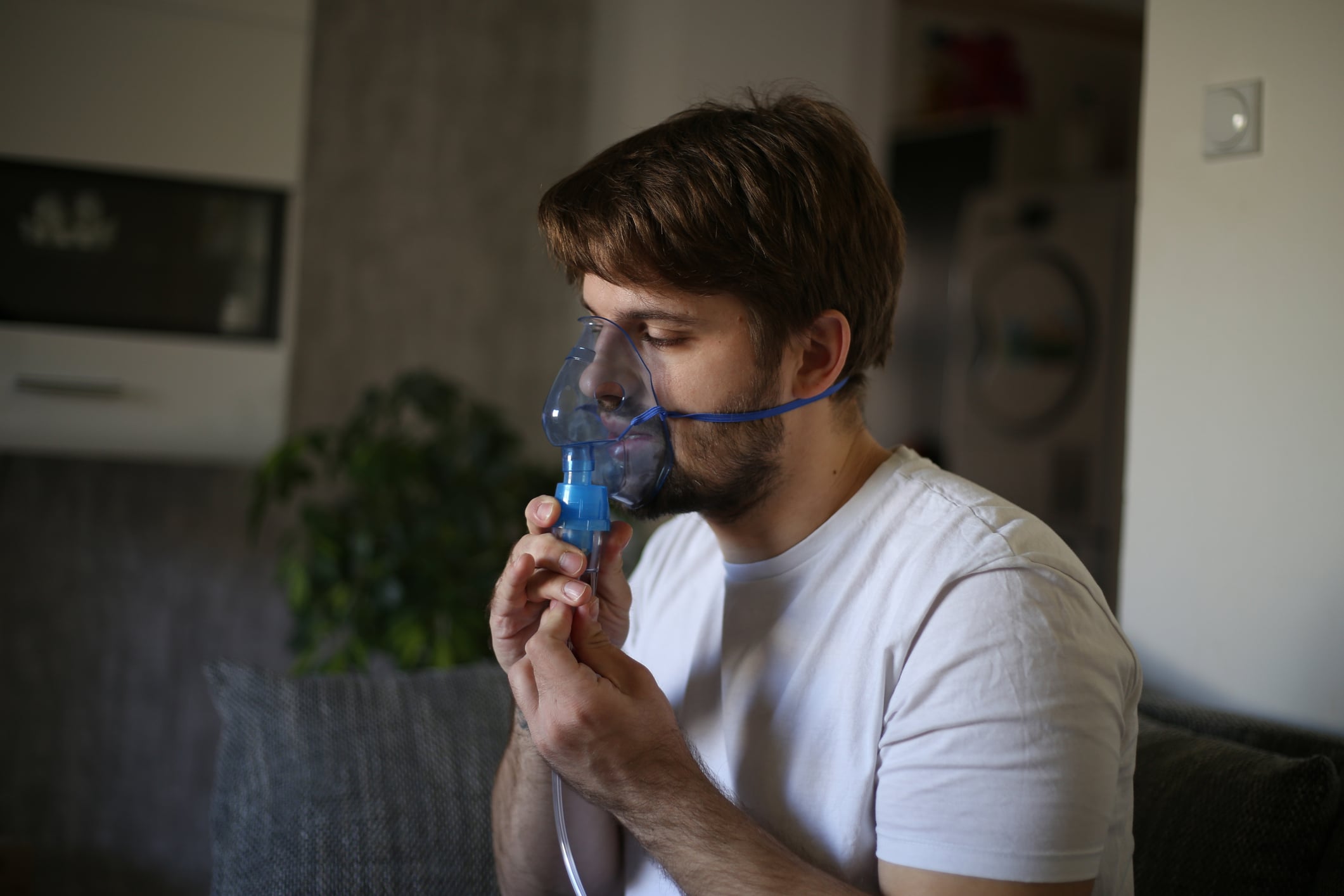
  • Self-management of asthma and COPD via sensor on inhaler and data transmission via smartphone (resulting in profiles that help avoid risky regions and improve therapies).
  • The ECG as a smartphone attachment detects heart rhythm disturbances at any time and regardless of location.
  • Baby Watch offers ultrasound and heartbeat measurement for pregnant women via smartphone.

“Now you will say: But these are flashes in the pan and isolated cases! That may be true, but they are also signs of change,” says Apermann. Initial contacts with patients and also the fees migrate to the web, and referrals are often made to competitors from other locations. Patients are increasingly self-diagnosing and thus want to be taken seriously by professionals. And not to be forgotten: Online contact has the potential to relieve both sides and intensify the bond between doctor and patient. “So they either have the opportunity to actively invest in the new technologies, take the risk of competition, and expand the capabilities of their own practice with the innovations. That’s how they tap into new patients. Or you can avoid that risk, ignore the changes and retire with your existing patient base. That’s the earn-out option,” the speaker explained.

Consilium – Connecting doctors and patients more closely

“Consilium is a science-based platform (app) that records a patient’s well-being and makes the data available in real time to both the patient and the doctor,” said Mathis Brauchbar, describing his own project. Until now, there have been different methods for recording medical information: own memory, printed notes, Excel spreadsheets, notes on smartphone or tablet. However, these variants are not bundled and are usually incomplete, containing a retrospective and therefore delayed report of symptoms. The assessment of the relevance of the symptomatology may differ.

The app now offers a consolidation of information from the doctor and the patient. It integrates a treatment plan, timely standardized assessment of well-being/symptoms, explanatory videos, and medical recommendations. Both the physician and the affected person can access this data in real time. In addition, the patient has the option of saving private notes. In the best case, this increases the patient’s motivation and self-confidence and, as a consequence, therapeutic success and quality of life. “It will also reduce treatment costs,” Brauchbar said.

Integrated offers for seniors

According to Luca Stäger, Tertianum Group, the four central developments in the rapidly growing market for the elderly are the individualization of services, greater flexibility in the range of services, the increase in the very elderly (increase in the complexity of care) and the integration of services (combination of living and care). “Today’s offerings are: Spitex for the independent living phase with autonomous living, nursing home for assisted living for fragile patients, and care centers for the dependent living phase,” he said. So-called Senior citizen institutes offer supply integration along the entire service chain and thus a solution for every living and life situation. Optimally, they consist of the following components or offerings:

  • Spitex services
  • autonomous living
  • Nursing Department
  • Day Center Pro Senectute
  • Possibility for social contacts
  • Practice for Physio-/Ergotherapy
  • Medical practice
  • Cleaning and concierge services
  • Bistro/Cafeteria.

As long as such retirement centers are offered at a fair price, they have numerous advantages. On the one hand, they follow the principle: outpatient before inpatient (80% apartments, 20% care) and thus promote the autonomy of the tenants. Thanks to Spitex, tenants stay longer in the apartment, and there is also the possibility of transitional care with subsequent return to the apartment. “The models show that the Roman statesman Marcus Tullius Cicero was right in his statement: It is not age that is the problem, but our attitude toward it,” Stäger concluded his presentation.

Source: 11th Trend Days Health,  18-19 March 2015, Lucerne

HAUSARZT PRAXIS 2015; 10(5): 5
Autoren
  • Andreas Grossmann
Publikation
  • HAUSARZT PRAXIS
Related Topics
  • Helpouts project
  • Integrated models
  • Mobile app
  • Smartphone
Previous Article
  • American Academy of Allergy, Asthma & Immunology 2015

Things are happening in the fight against peanut allergy

  • Allergology and clinical immunology
  • Congress Reports
  • RX
  • Studies
View Post
Next Article
  • Hydrocephalus occlusus in proximal aqueductal stenosis

Neuroradiological signs and neurosurgical treatment.

  • Cases
  • Neurology
  • Radiology
  • RX
View Post
You May Also Like
View Post
  • 4 min
  • From symptom to diagnosis

Multilocular cystic renal cell carcinoma (MCRCC)

    • RX
    • Cases
    • Education
    • Nephrology
    • Oncology
    • Radiology
    • Studies
    • Surgery
View Post
  • 3 min
  • Shaping the Future with LLM & Co.

AI in Everyday Clinical Practice: Friend or Foe?

    • RX
    • General Internal Medicine
    • Practice Management
    • Prevention and health care
View Post
  • 5 min
  • Ulcerative colitis: current evidence on anti-inflammatory therapies

Remission induction and maintenance with biologics and JAK-i

    • RX
    • Congress Reports
    • Gastroenterology and Hepatology
    • General Internal Medicine
    • Studies
View Post
  • 4 min
  • Bronchiectasis

New strategies against neutrophilic inflammation

    • RX
    • Congress Reports
    • General Internal Medicine
    • Infectiology
    • Pneumology
    • Studies
View Post
  • 3 min
  • IBD in childhood

Pneumococcal vaccination without negative consequences

    • RX
    • Education
    • Gastroenterology and Hepatology
    • General Internal Medicine
    • Infectiology
    • Pediatrics
    • Prevention and health care
View Post
  • 7 min
  • Plastic surgery and reconstructive microsurgery for DFS

Functional limb preservation between infection control, vascular medicine and resurfacing

    • RX
    • Angiology
    • CME continuing education
    • Dermatology and venereology
    • Endocrinology and Diabetology
    • General Internal Medicine
    • Geriatrics
    • Physical medicine and rehabilitation
    • Surgery
View Post
  • 14 min
  • Seborrheic Dermatitis in Adults and Adolescents

Current State of Knowledge and New Therapeutic Approaches

    • RX
    • CME continuing education
    • Dermatology and venereology
    • Studies
View Post
  • 7 min
  • Orthobiologics for knee osteoarthritis

PRP and hyaluronic acid injections as building blocks in a multimodal concept

    • RX
    • Congress Reports
    • General Internal Medicine
    • Orthopedics
    • Rheumatology
    • Sports Medicine
    • Studies
    • Surgery
  • IBD matters

    Zum Thema
Top CME content
  • 1
    Current State of Knowledge and New Therapeutic Approaches
  • 2
    Why is it so hard to lose weight?
  • 3
    Functional limb preservation between infection control, vascular medicine and resurfacing
  • 4
    Algorithms, avatars and the unburdened mind
  • 5
    Communication as the key to therapy adherence

Newsletter

Sign up and stay up to date

Subscribe
Medizinonline Medizinonline
  • Contact
  • General terms and conditions
  • Imprint

Input your search keywords and press Enter.