Medizinonline Medizinonline
  • News
    • News
    • Market & Medicine
  • Patients
    • Disease patterns
    • Diagnostics
    • Therapy
  • Partner Content
    • Diabetes
      • Dia-Month Club – Type 2 Diabetes
      • Diabetes in Motion
      • Diabetes Podcasts
    • Gastroenterology
      • IBD matters
    • Oncology
      • Swiss Oncology in motion
    • Orthopedics
      • Osteoporosis in motion
  • Departments
    • Allergology and clinical immunology
    • General Internal Medicine
    • Anesthesiology
    • Angiology
    • Surgery
    • Dermatology and venereology
    • Endocrinology and Diabetology
    • Nutrition
    • Gastroenterology and Hepatology
    • Genetics
    • Geriatrics
    • Gynecology
    • Hematology
    • Infectiology
    • Cardiology
    • Nephrology
    • Neurology
    • Emergency and intensive care medicine
    • Nuclear Medicine
    • Oncology
    • Ophthalmology
    • ORL
    • Orthopedics
    • Pediatrics
    • Pharmacology and toxicology
    • Pharmaceutical medicine
    • Phlebology
    • Physical medicine and rehabilitation
    • Pneumology
    • Prevention and health care
    • Psychiatry and psychotherapy
    • Radiology
    • Forensic Medicine
    • Rheumatology
    • Sports Medicine
    • Traumatology and trauma surgery
    • Tropical and travel medicine
    • Urology
    • Dentistry
  • CME & Congresses
    • CME continuing education
    • Congress Reports
    • Congress calendar
  • Practice
    • Noctimed
    • Practice Management
    • Jobs
    • Interviews
  • Log In
  • Register
  • My account
  • Contact
  • Publications
  • Contact
  • Deutsch
  • English
  • Français
  • Italiano
  • Português
  • Español
Subscribe
Medizinonline Medizinonline
  • News
    • News
    • Market & Medicine
  • Patienten
    • Krankheitsbilder
    • Diagnostik
    • Therapie
  • Partner Content
    • Diabetes
      • Dia-Month Club – Type 2 Diabetes
      • Diabetes in Motion
      • Diabetes Podcasts
    • Gastroenterology
      • IBD matters
    • Oncology
      • Swiss Oncology in motion
    • Orthopedics
      • Osteoporosis in motion
    • Phytotherapie
    • Rheumatology
  • Departments
    • Fachbereiche 1-13
      • Allergology and clinical immunology
      • General Internal Medicine
      • Anesthesiology
      • Angiology
      • Surgery
      • Dermatology and venereology
      • Endocrinology and Diabetology
      • Nutrition
      • Gastroenterology and Hepatology
      • Genetics
      • Geriatrics
      • Gynecology
      • Hematology
    • Fachbereiche 14-26
      • Infectiology
      • Cardiology
      • Nephrology
      • Neurology
      • Emergency and intensive care medicine
      • Nuclear Medicine
      • Oncology
      • Ophthalmology
      • ORL
      • Orthopedics
      • Pediatrics
      • Pharmacology and toxicology
      • Pharmaceutical medicine
    • Fachbereiche 26-38
      • Phlebology
      • Physical medicine and rehabilitation
      • Phytotherapy
      • Pneumology
      • Prevention and health care
      • Psychiatry and psychotherapy
      • Radiology
      • Forensic Medicine
      • Rheumatology
      • Sports Medicine
      • Traumatology and trauma surgery
      • Tropical and travel medicine
      • Urology
      • Dentistry
  • CME & Congresses
    • CME continuing education
    • Congress Reports
    • Congress calendar
  • Practice
    • Noctimed
    • Practice Management
    • Jobs
    • Interviews
Login

Sie haben noch keinen Account? Registrieren

  • Juvenile Oncology

Keeping an eye on the late effects

    • News
    • Oncology
    • Pediatrics
    • RX
  • 2 minute read

Even if children survive a malignancy, they are still at risk. Late effects resulting from therapy should not be taken lightly.

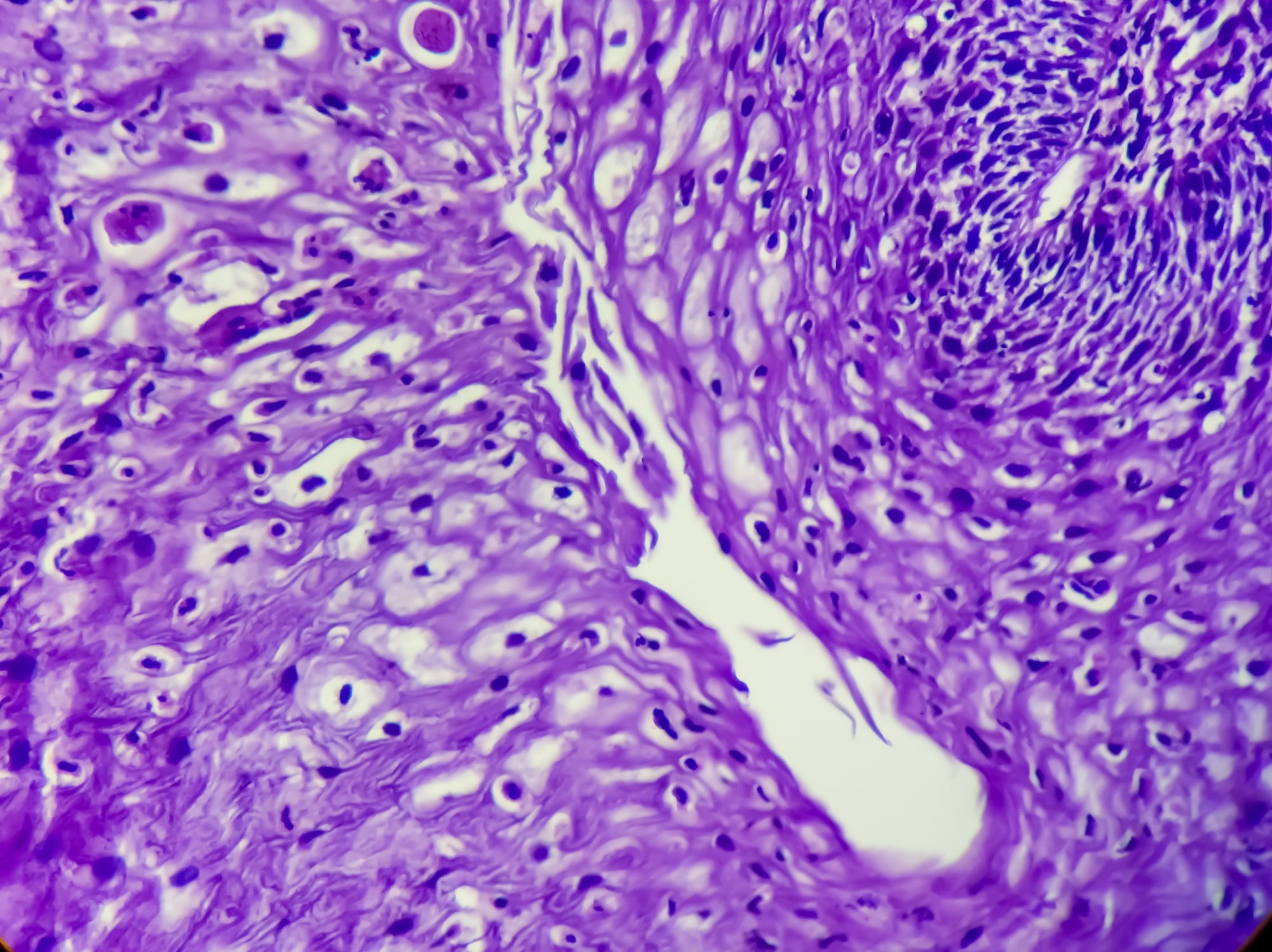
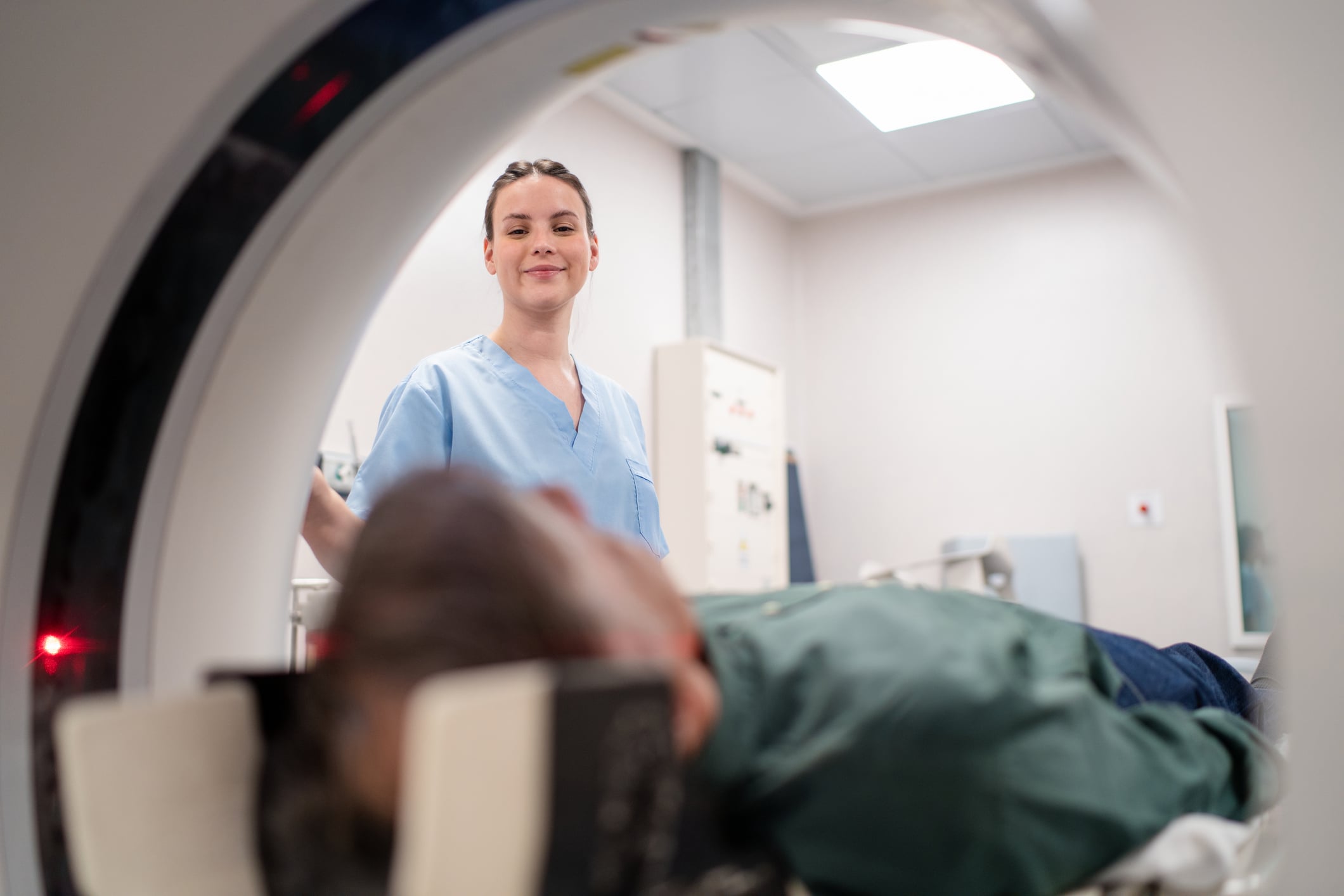
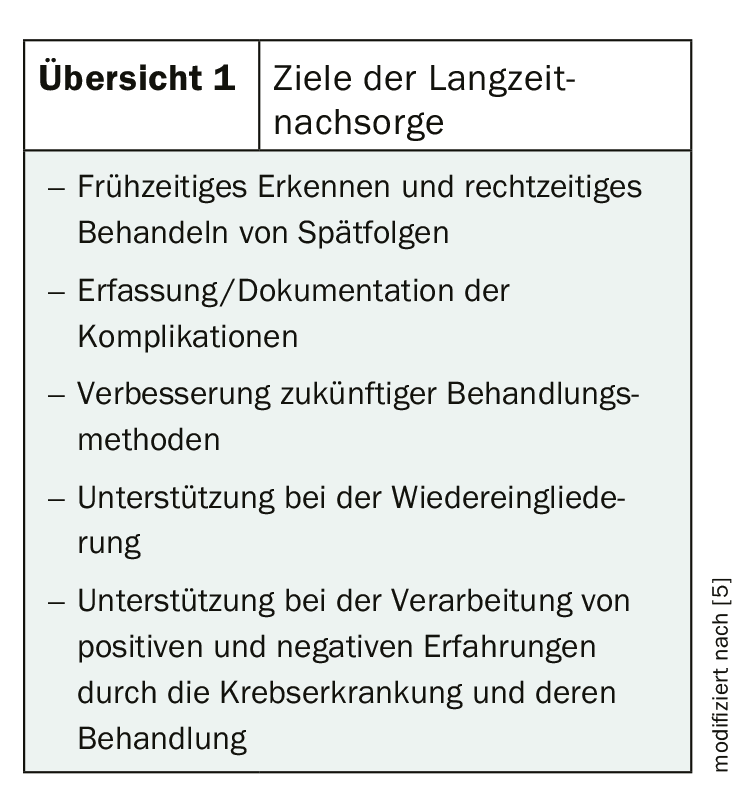
The survival rate of children and adolescents who develop cancer has been increased to over 80% in recent years. Nevertheless, their life expectancy is reduced because late effects resulting from cancer therapy cannot be ruled out. Up to 70% of all patients suffer from such health impairments 30 years after the end of treatment. These can affect different organs and potentially be life-threatening again, such as another cancer or severe heart failure.

The risk of complications is influenced by individual factors such as previous diseases, age, gender and genetic predisposition. But of course the type of oncological therapy also plays a major role. Experts advocate an individualized follow-up plan, as many diseases can be treated well in the early stages. However, since the affected individuals then no longer fall under the purview of pediatric oncologists, an interdisciplinary approach is required.

The most common complications at a glance

The most common late effects can be found in the endocrine area. Endocrinopathies occur because radiotherapy can lead to dysfunction of endocrine organs. Thyroid disorders, hypothalamic-pituitary system disorders, or gonadal dysfunctions occur in more than one in two. The latter can be found mainly after chemotherapies. Radiation therapies are usually more likely to result in thyroid dysfunction or neoplasia.

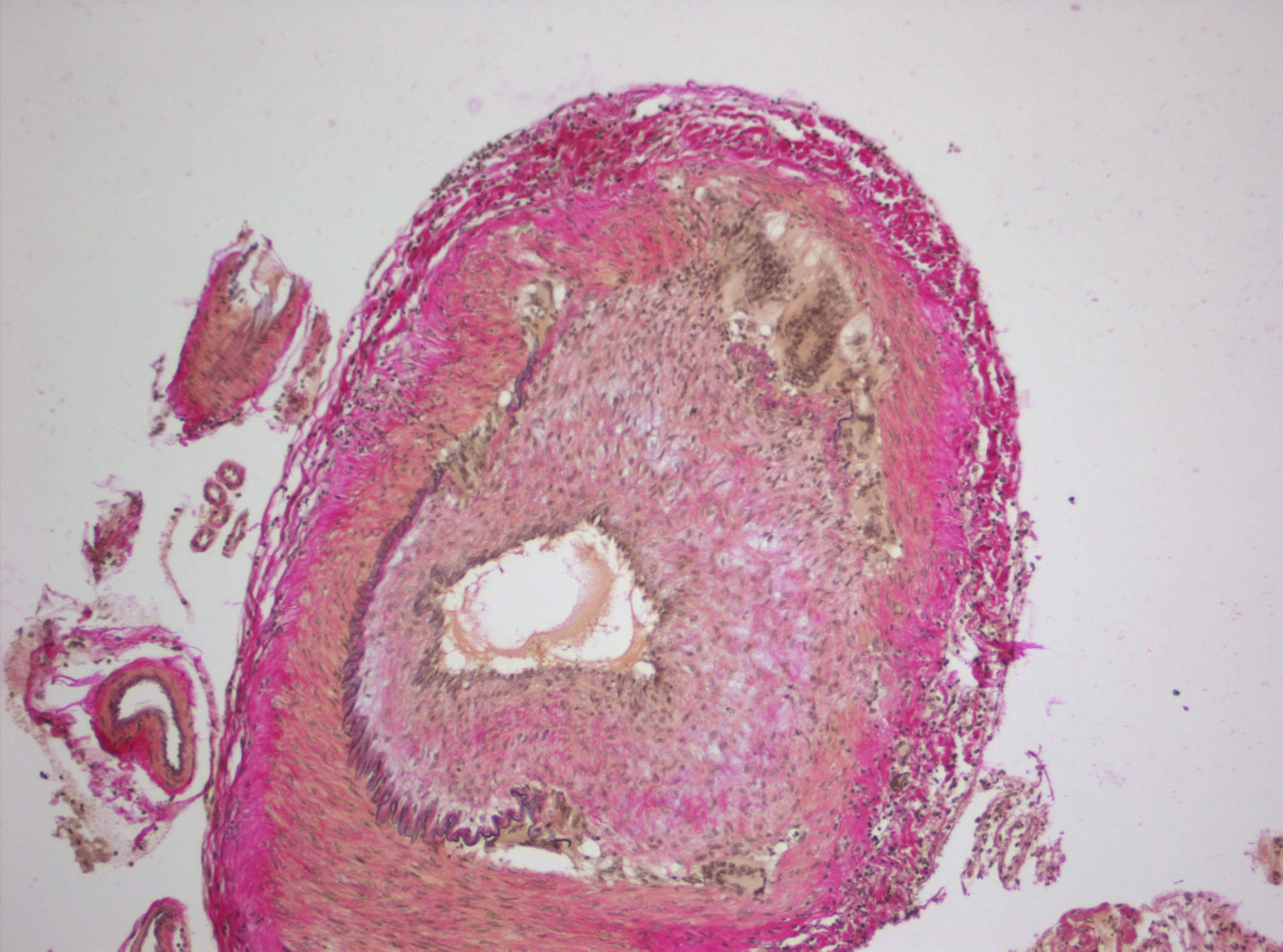
Serious and potentially life-threatening consequences include cardiac disease in particular. Cardiomyopathies, valvular changes, arrhythmias or coronary heart disease can be treated well initially, but often the right time is missed and the disease progresses. The likelihood of cardiac complications increases, especially with anthracycline-containing chemotherapy and thoracic radiotherapy. Affected individuals are seven to eight times more likely to experience early cardiac-related mortality.


Both radiation and chemotherapy can increase the risk of malignant neoplasms. Therefore, many long-term survivors of childhood or adolescent cancer are later affected again by hemato-oncologic disease. In the first 15 years after the end of therapy, hematologic diseases occur most frequently, after which mammary and thyroid carcinomas are more common.

However, other complications, such as decreased pulmonary function, neurological or neurocognitive late effects, or problems in the gastrointestinal tract, kidneys, or musculoskeletal system can also affect the patient. By optimizing the treatment options, an attempt is made to reduce the risk of late effects. However, they cannot yet be completely ruled out.

Further reading:

  • www.awmf.org/uploads/tx_szleitlinien/025-003l_S1_Nachsorge_von_krebskranken_Kindern_Jugendlichen_06-2013-abgelaufen.pdf (last accessed on 2019-09-14)
  • Kaatsch P, Spix C. German Childhood Cancer Registry – Annual Report 2017 (1980-2016).
  • Bhakta N, et al: Lancet 2017; 390:2569-2582.
  • Morton LM, et al: J Natl Cancer inst 2017; 109.
  • www.kinderkrebsinfo.de/patienten/nachsorge/spaetfolgen___langzeitnachsorge/einfuehrung/index_ger.html (last accessed on 2019-09-14)


InFo ONCOLOGY & HEMATOLOGY 2019; 7(4): 22.
Autoren
  • Leoni Burggraf
Publikation
  • InFo ONKOLOGIE & HÄMATOLOGIE
Related Topics
  • pediatric cancer
Previous Article
  • From Meaningful Diagnostic Algorithm to Guideline-Compliant Therapy.

Pleural effusion – diagnosis and therapy

  • Education
  • Pneumology
  • RX
View Post
Next Article
  • Rare infections of the lung

The worm is in it

  • Congress Reports
  • Infectiology
  • Pneumology
  • RX
View Post
You May Also Like
View Post
  • 11 min
  • Peristomal skin health

Focus on preventive care options

    • Cases
    • CME continuing education
    • Dermatology and venereology
    • Gastroenterology and Hepatology
    • Infectiology
    • Physical medicine and rehabilitation
    • Prevention and health care
    • RX
    • Surgery
View Post
  • 7 min
  • Disease-modifying therapies for ATTR-CM

TTR stabilizers, gene silencing and gene scissors: where do we stand?

    • Cardiology
    • Congress Reports
    • Genetics
    • RX
    • Studies
View Post
  • 8 min
  • Proteins in wound healing

Do special amino acids lead to success?

    • CME continuing education
    • Dermatology and venereology
    • Endocrinology and Diabetology
    • Nutrition
    • RX
    • Studies
View Post
  • 4 min
  • HER2+ early breast cancer

DESTINY-Breast11 – neoadjuvant T-DXd without anthracyclines

    • Education
    • Gynecology
    • Oncology
    • RX
    • Studies
View Post
  • 3 min
  • Lavender aromatherapy

Take away the fear of the dentist

    • Dentistry
    • Education
    • Pharmaceutical medicine
    • Phytotherapy
    • Psychiatry and psychotherapy
    • RX
    • Studies
View Post
  • 4 min
  • Digital dermatology: innovative project examples

AI and eHealth tools in HS care

    • Dermatology and venereology
    • General Internal Medicine
    • Practice Management
    • Prevention and health care
    • RX
    • Studies
View Post
  • 5 min
  • Mantle cell lymphoma

Recurrence after BTK inhibition – prognostic factors and treatment options

    • Education
    • Hematology
    • Oncology
    • RX
View Post
  • 3 min
  • Dementia risk with type 2 diabetes

SGLT2 inhibitors with advantages vs. DPP4 inhibitors

    • Education
    • Endocrinology and Diabetology
    • Geriatrics
    • Neurology
    • Pharmacology and toxicology
    • Psychiatry and psychotherapy
    • RX
    • Studies
  • IBD matters

    Zum Thema
Top CME content
  • 1
    Communication as the key to therapy adherence
  • 2
    Solutions to the malnutrition dilemma
  • 3
    Solutions to the malnutrition dilemma
  • 4
    Focus on preventive care options
  • 5
    Fertility preservation from gonads to genomes to genoids

Newsletter

Sign up and stay up to date

Subscribe
Medizinonline Medizinonline
  • Contact
  • General terms and conditions
  • Imprint

Input your search keywords and press Enter.