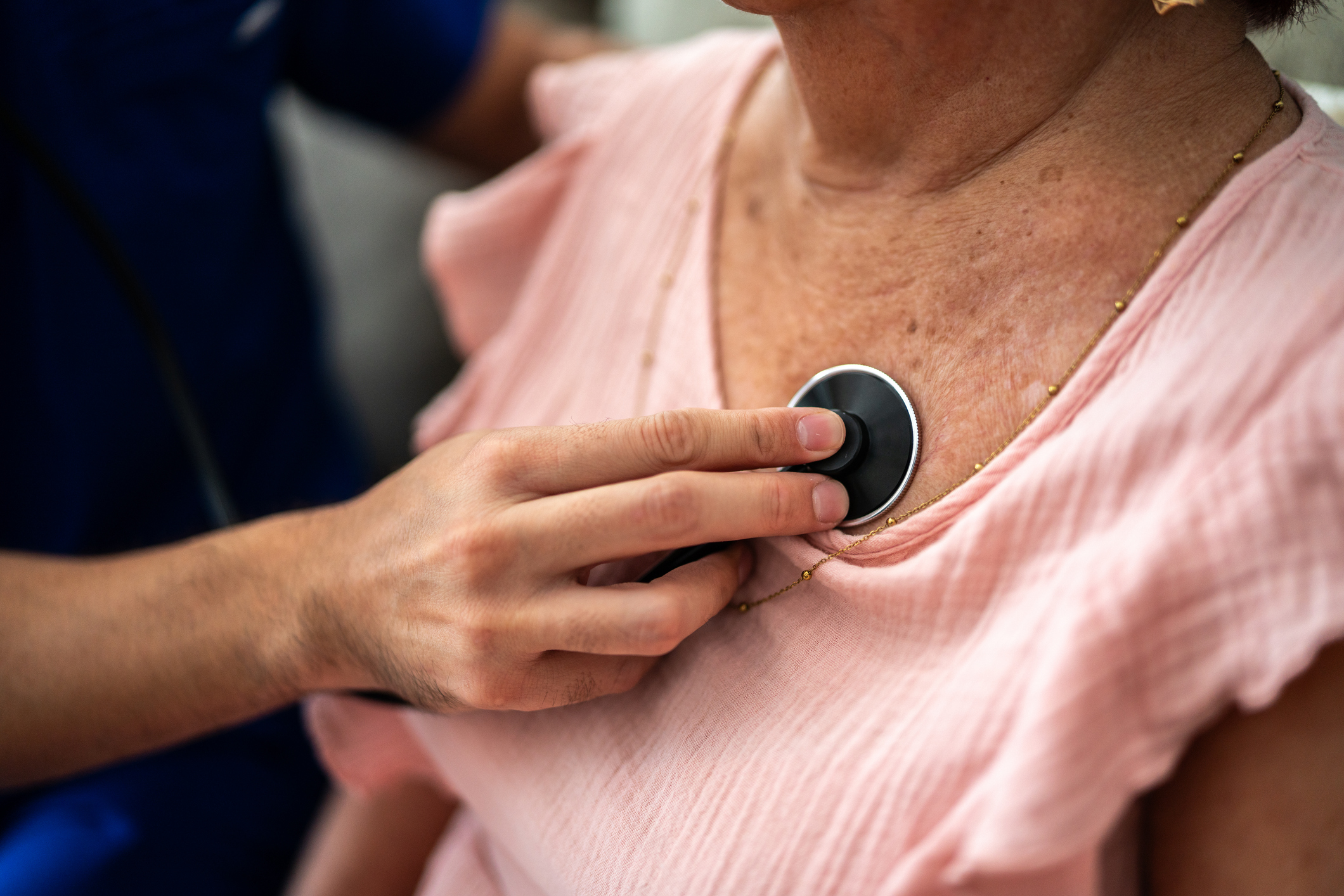
Vascular ageing is not a purely “biological” concept, but can be measured clinically – via arterial stiffness (e.g. PWV), endothelial function (e.g. FMD) and the resulting risk profiles. In parallel to established prevention (blood pressure, lipids, smoking, exercise), two dynamic development strands are emerging: increasingly potent and longer-acting lipid-lowering drugs through to Lp(a) targeting (outcomes partly still pending), and geroprotective signaling pathway interventions (mTOR modulation), for which relevant human pilot data on endothelial function were also published in 2024/2025.
Autoren
- Tanja Schliebe
Publikation
- Longevity-Special
You May Also Like
- Obesity in the family practice
Aim for realistic goals and avoid apportioning blame
- Evidence, pathophysiology and management in the light of current data
Heart failure with improved ejection fraction (HFimpEF)
- Early rheumatoid arthritis
C1M has potential as a biomarker
- Osteoporosis
Risk-stratified therapy with osteoanabolic agents improves outcomes
- "Swiss Health Care Atlas"
New indicator: medication for weight regulation
- AI in neurology
Control instead of a flood of data: AI makes big data and wearables usable
- Longevity Medicine 2025
From anti-ageing to precision prevention
- Treatment of pancreatitis: current study data