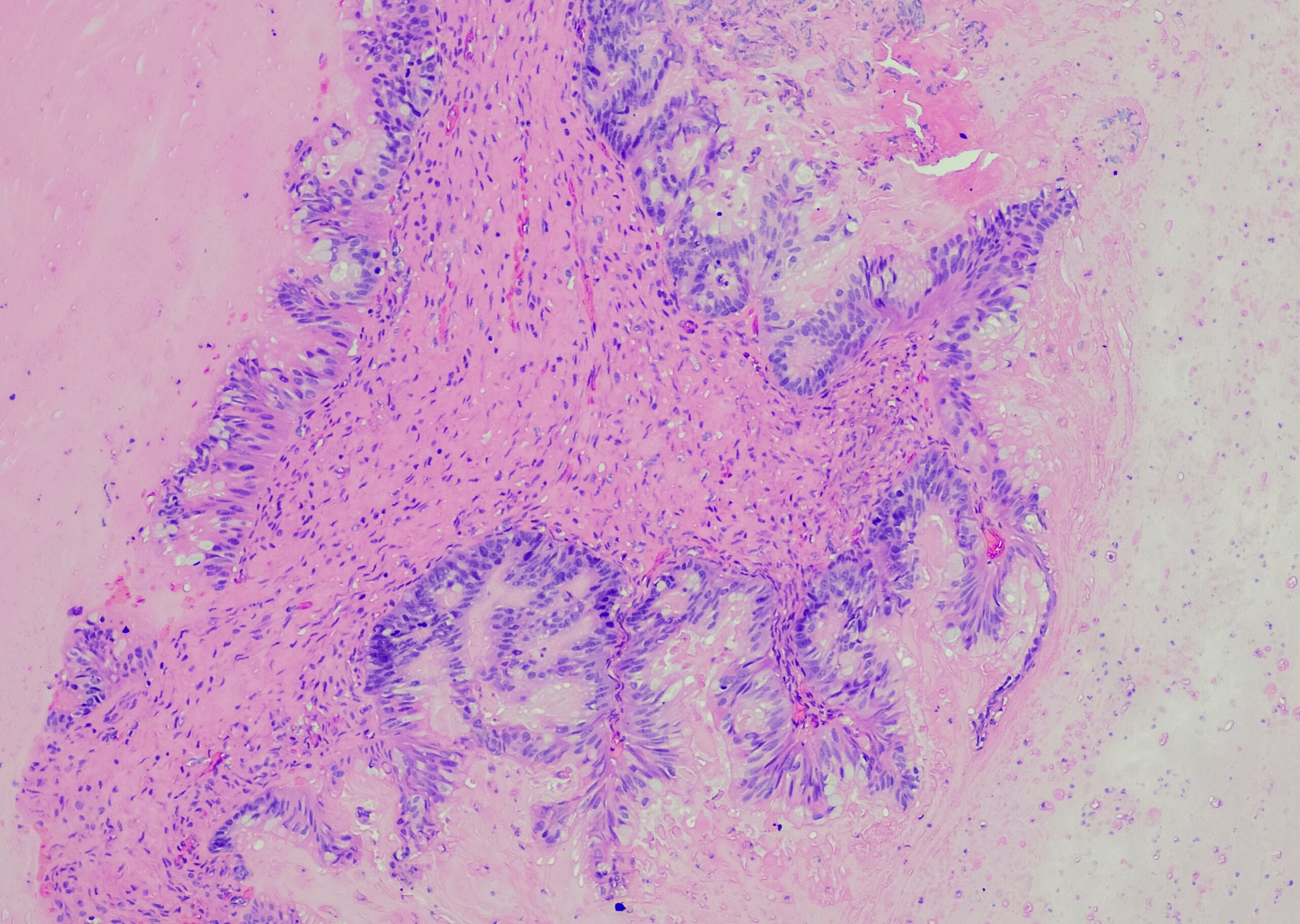
Pancreatic ductal adenocarcinoma (PDAC) is one of the most aggressive tumors of all. The five-year survival rate is still in the single digits. In recent years, however, there has been a paradigm shift: PDAC is no longer seen as a uniform disease, but as an ensemble of different molecular subtypes with clearly distinguishable biology. New genome, transcriptome, proteome, metabolome and immunome analyses are fundamentally changing our understanding of these tumors – and opening up prospects for more precise, individually targeted therapy.
Autoren
- Tanja Schliebe
Publikation
- InFo ONKOLOGIE & HÄMATOLOGIE

Related Topics
You May Also Like
- Proteins in wound healing
Do special amino acids lead to success?
- Wound treatment
Surgical wound complications
- Proteins in wound healing
Do special amino acids lead to success?
- Psychedelic-assisted therapy
Current status of PAT
- Hepatitis B prophylaxis
Vaccination protection for healthcare staff with patient contact – an update
- Plastic surgery and reconstructive microsurgery for DFS
Functional limb preservation between infection control, vascular medicine and resurfacing
- Chronic urticaria: new treatment alternatives in sight
If antihistamines are not sufficient and IgE levels are low
- Adrenogenital syndrome