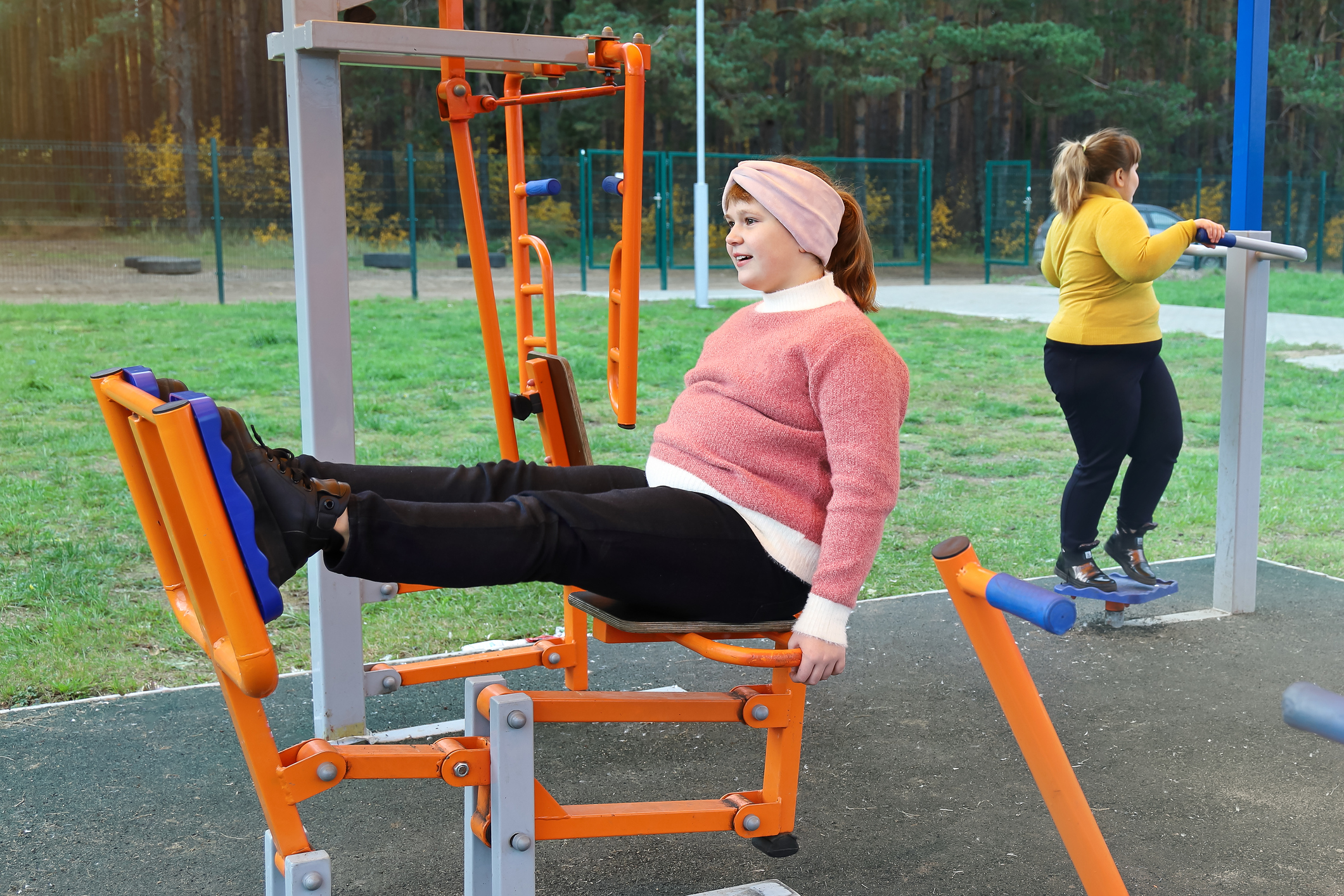
The prevalence of obesity in children and adolescents has risen in recent decades. The categorization of BMI is age- and gender-specific. Studies show that BMI status at a young age is predictive of adulthood. However, in some cases, weight management measures are successful, which also has important implications for the development of comorbidities. Multimodal treatment approaches aim to achieve a sustainable reduction in body weight and associated health risks.
Autoren
- Mirjam Peter, M.Sc.
Publikation
- HAUSARZT PRAXIS

Related Topics
You May Also Like
- Dermatoscopic findings of granulomatous diseases
Cutaneous sarcoidosis, necrobiosis lipoidica and granuloma anulare
- Clostridioides difficile infection: specific therapy
Importance of vancomycin and fidaxomicin has increased
- Study report
Asthma exacerbation risk in patients with a psychological comorbidity
- Neuropathies - CIDP
Differentiate chronic inflammatory demyelinating polyneuropathy (CIDP)
- Treatment of type 2 diabetes: paradigm shift continues
Cardiorenal organ protection is increasingly coming to the fore
- Semaglutide and tirzepatide in HFpEF and T2D/obesity
Prospect of improved cardiovascular prognosis
- Case report: alveolar sarcoidosis
Acute hypoxemic respiratory failure as initial manifestation
- "Swiss Health Care Atlas"