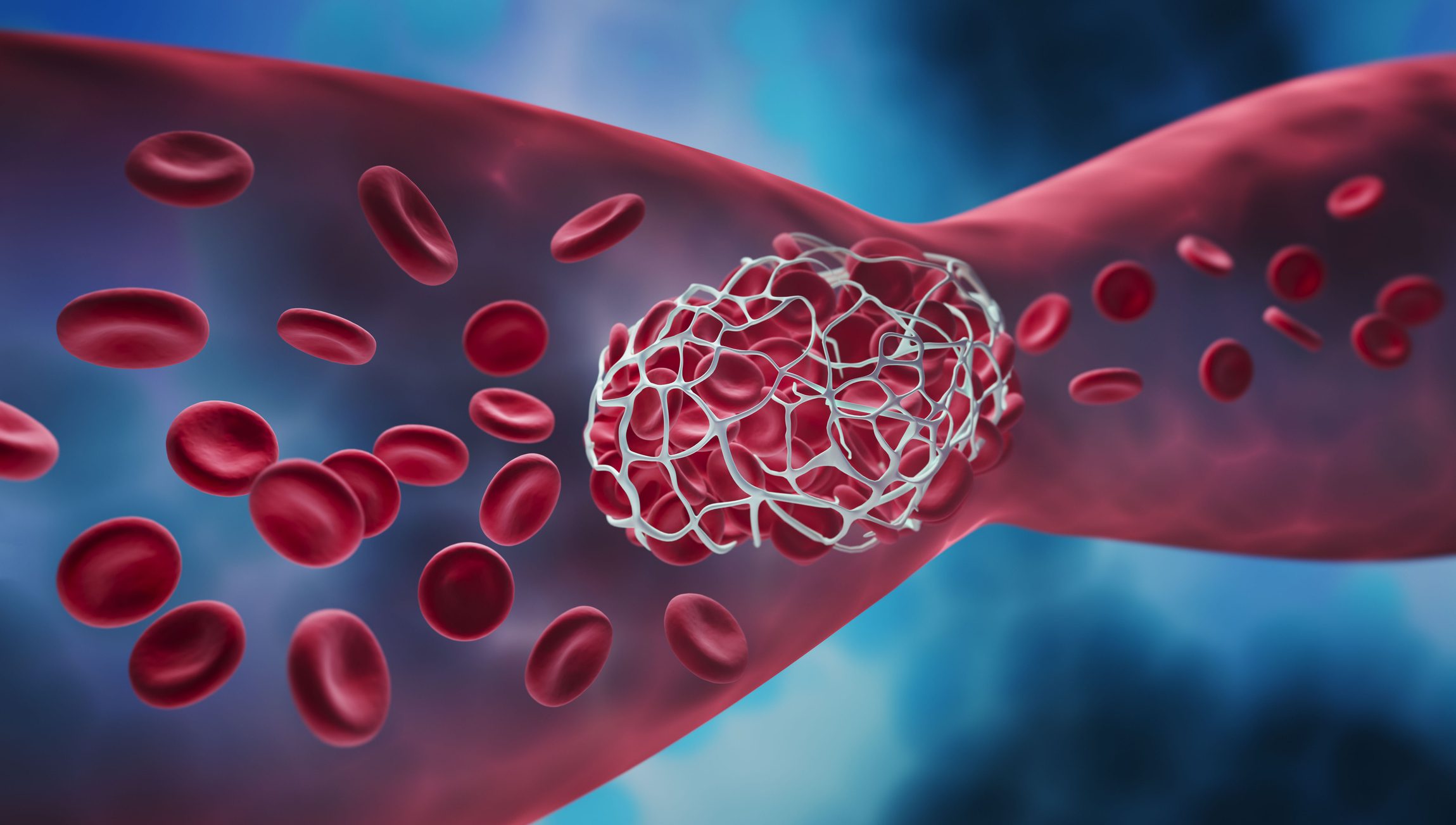
Venous thromboembolism (VTE), consisting of deep vein thrombosis (DVT) and pulmonary embolism (PE), is the third most common cause of cardiovascular mortality worldwide after myocardial infarction and stroke. Despite continuous progress in anticoagulation, a specific preventive strategy against VTE that goes beyond anticoagulation is still lacking. In recent years, it has been shown that arterial and venous thromboembolism share more common risk factors than previously thought, including dyslipidemia and inflammatory processes.
Autoren
- Tanja Schliebe
Publikation
- CARDIOVASC
Related Topics
You May Also Like
- From Hypertension to Heart Failure?
When and how to intervene
- Switzerland's First PTH Replacement Therapy
Palopegteriparatide for Chronic Hypoparathyroidism
- Case study
Orofacial Manifestations of Phelan-McDermid Syndrome
- Quitting smoking reduces cardiovascular risks
Offer professional support
- CKD and High Blood Pressure
Keeping an Eye on Bidirectional Interactions
- Atherosclerotic Coronary Plaques in High-Risk Patients
Who benefits from preventive PCI?
- Ischemic stroke: Are smaller or larger brain arteries affected?
Recent study findings on intravenous lysis therapy with fibrinolytic agents
- Colorectal Cancer