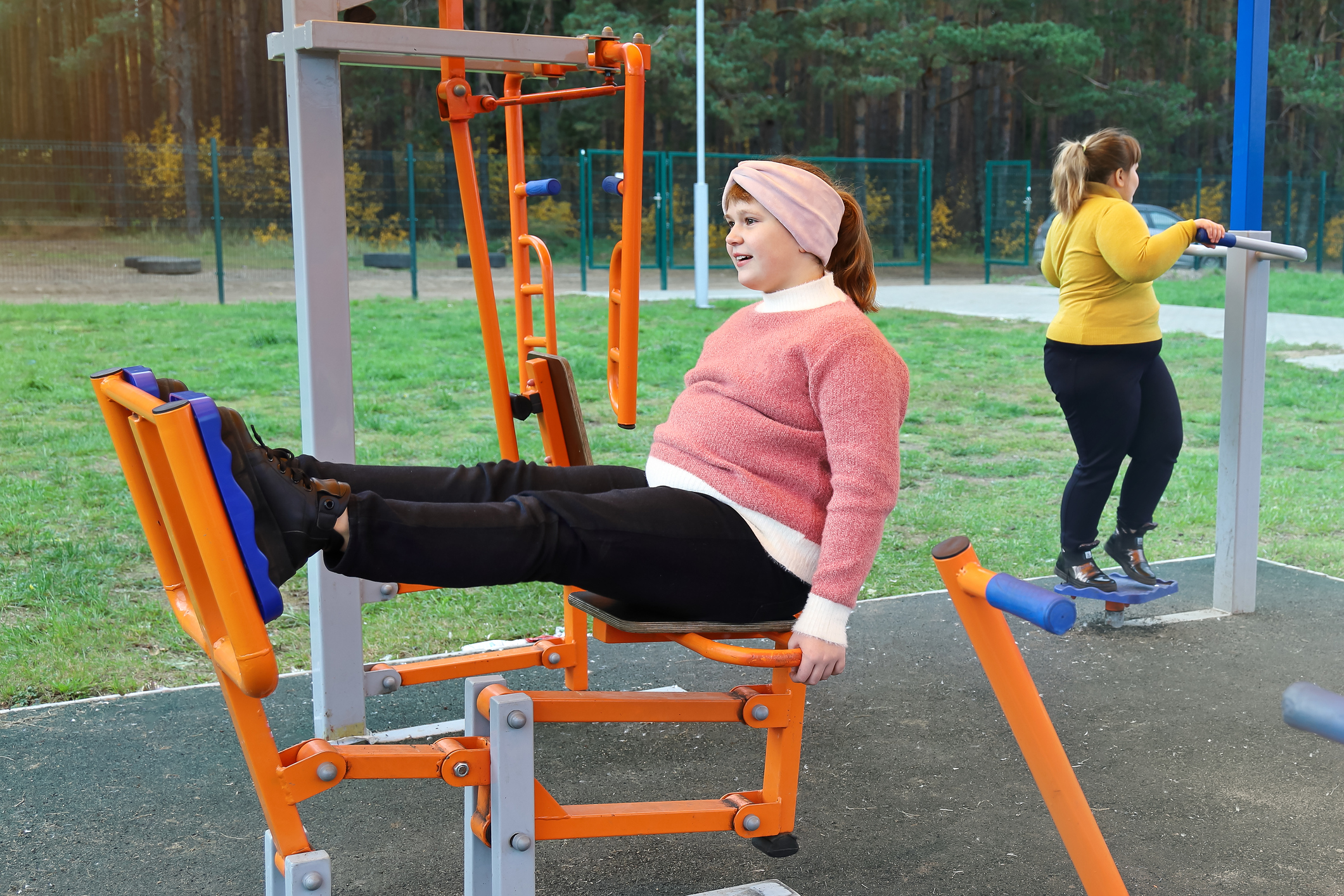
The prevalence of obesity in children and adolescents has risen in recent decades. The categorization of BMI is age- and gender-specific. Studies show that BMI status at a young age is predictive of adulthood. However, in some cases, weight management measures are successful, which also has important implications for the development of comorbidities. Multimodal treatment approaches aim to achieve a sustainable reduction in body weight and associated health risks.
Autoren
- Mirjam Peter, M.Sc.
Publikation
- HAUSARZT PRAXIS
Related Topics
You May Also Like
- Autoimmune Liver Diseases
Innovative Treatment Approaches for PBC, PSC, and AIH: What’s New?
- Myelofibrosis
Mutations and Molecular Diagnostics in Treatment Decisions
- Psoriasis in the Age of Precision Medicine
Systemic Therapy for Patients with Comorbidities: What Is the Best Choice?
- The AMALFI study and the limits of digital screening for atrial fibrillation
Remote monitoring for atrial fibrillation: lots of detection, little stroke prevention?
- MASH
Pharmacotherapies as “Game Changers”—What Are the Upcoming Challenges?
- Obesity Treatment
Oral GLP-1 Therapies: ATTAIN-1 and OASIS-4—The Next Leap Forward
- Older patients with atopic dermatitis
Why the Use of Biologics Is Recommended
- Disorders of the Gut-Brain Interaction