Medizinonline Medizinonline
  • News
    • News
    • Market & Medicine
  • Patients
    • Disease patterns
    • Diagnostics
    • Therapy
  • Partner Content
    • Diabetes
      • Dia-Month Club – Type 2 Diabetes
      • Diabetes in Motion
      • Diabetes Podcasts
    • Gastroenterology
      • IBD matters
    • Oncology
      • Swiss Oncology in motion
    • Orthopedics
      • Osteoporosis in motion
  • Departments
    • Allergology and clinical immunology
    • General Internal Medicine
    • Anesthesiology
    • Angiology
    • Surgery
    • Dermatology and venereology
    • Endocrinology and Diabetology
    • Nutrition
    • Gastroenterology and Hepatology
    • Genetics
    • Geriatrics
    • Gynecology
    • Hematology
    • Infectiology
    • Cardiology
    • Nephrology
    • Neurology
    • Emergency and intensive care medicine
    • Nuclear Medicine
    • Oncology
    • Ophthalmology
    • ORL
    • Orthopedics
    • Pediatrics
    • Pharmacology and toxicology
    • Pharmaceutical medicine
    • Phlebology
    • Physical medicine and rehabilitation
    • Pneumology
    • Prevention and health care
    • Psychiatry and psychotherapy
    • Radiology
    • Forensic Medicine
    • Rheumatology
    • Sports Medicine
    • Traumatology and trauma surgery
    • Tropical and travel medicine
    • Urology
    • Dentistry
  • CME & Congresses
    • CME continuing education
    • Congress Reports
    • Congress calendar
  • Practice
    • Noctimed
    • Practice Management
    • Jobs
    • Interviews
  • Log In
  • Register
  • My account
  • Contact
  • Publications
  • Contact
  • Deutsch
  • English
  • Français
  • Italiano
  • Português
  • Español
Subscribe
Medizinonline Medizinonline
  • News
    • News
    • Market & Medicine
  • Patienten
    • Krankheitsbilder
    • Diagnostik
    • Therapie
  • Partner Content
    • Diabetes
      • Dia-Month Club – Type 2 Diabetes
      • Diabetes in Motion
      • Diabetes Podcasts
    • Gastroenterology
      • IBD matters
    • Oncology
      • Swiss Oncology in motion
    • Orthopedics
      • Osteoporosis in motion
    • Phytotherapie
    • Rheumatology
  • Departments
    • Fachbereiche 1-13
      • Allergology and clinical immunology
      • General Internal Medicine
      • Anesthesiology
      • Angiology
      • Surgery
      • Dermatology and venereology
      • Endocrinology and Diabetology
      • Nutrition
      • Gastroenterology and Hepatology
      • Genetics
      • Geriatrics
      • Gynecology
      • Hematology
    • Fachbereiche 14-26
      • Infectiology
      • Cardiology
      • Nephrology
      • Neurology
      • Emergency and intensive care medicine
      • Nuclear Medicine
      • Oncology
      • Ophthalmology
      • ORL
      • Orthopedics
      • Pediatrics
      • Pharmacology and toxicology
      • Pharmaceutical medicine
    • Fachbereiche 26-38
      • Phlebology
      • Physical medicine and rehabilitation
      • Phytotherapy
      • Pneumology
      • Prevention and health care
      • Psychiatry and psychotherapy
      • Radiology
      • Forensic Medicine
      • Rheumatology
      • Sports Medicine
      • Traumatology and trauma surgery
      • Tropical and travel medicine
      • Urology
      • Dentistry
  • CME & Congresses
    • CME continuing education
    • Congress Reports
    • Congress calendar
  • Practice
    • Noctimed
    • Practice Management
    • Jobs
    • Interviews
Login

Sie haben noch keinen Account? Registrieren

  • Cancer risk increased after heart transplantation

New heart, new cancer?

    • Cardiology
    • News
    • Oncology
    • RX
    • Studies
  • 3 minute read

After heart transplantation, it is mandatory to suppress the immune system. There is a risk of rejection of the new organ. However, this also means that degenerated cells can no longer be combated equally effectively.

To prevent the new organ from being rejected, permanent immunosuppression is normally required. New findings and advances in recent years have further increased the chances of survival. But the danger now lurks elsewhere. Patients who receive a new heart are more likely to face a cancer diagnosis later than others (not to mention the risk of infection) precisely because of immunosuppression.

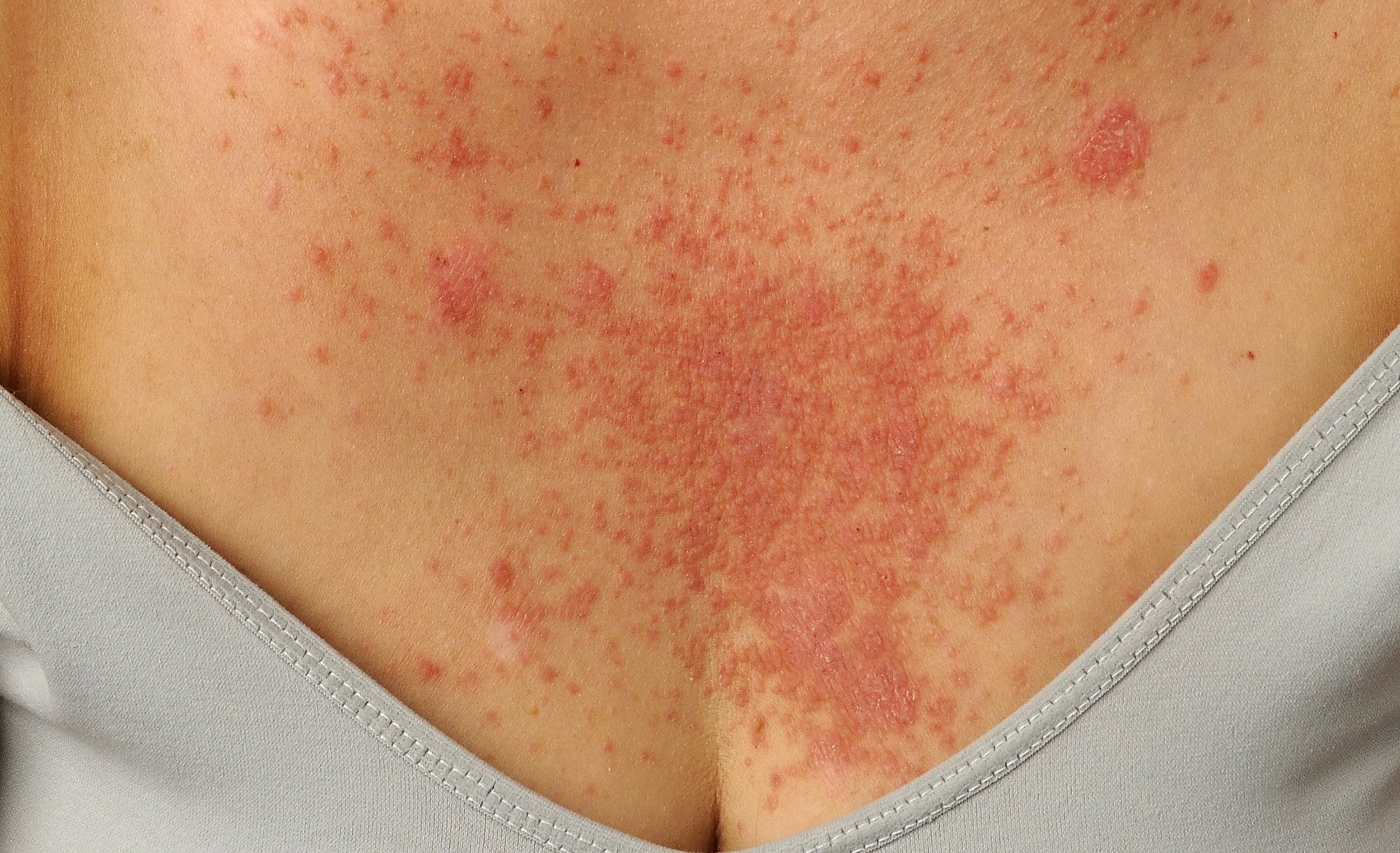
These concerns have been around for a long time. Especially in donor kidney recipients, the risk of developing skin cancer has been studied in detail. However, transplanted thoracic organs pose the greater risk due to more intensive immunosuppressive regimens. In fact, the incidence of skin cancer (and especially basal cell carcinoma and squamous cell carcinoma) is increased 65- to 250-fold in cardiac recipients compared with the general population.

A registry study has now looked very closely over time, examining data from nearly 18,000 heart transplant recipients for the development of a de novo tumor.

One in ten transplant recipients affected after five years

The International Heart and Lung Transplant Registry (ISHLT) revealed a 10.7% risk of developing a de novo solid tumor in the five years following heart transplantation. These patients had, as expected, consecutively significantly worse survival (p<0.0001). The rate generally dropped to 40-60% at five years, compared with about 80% for non-cancer patients.

In the observed years 2006-2011, the incidence increased significantly compared to 2000-2005 (mainly due to skin cancer), from 10% to 12.4% in general, and from 6.4% to 8.4% for skin cancer. Therefore, the tumor risk of transplant recipients during this period was also higher – the same was true for older recipients.

There was no temporal relationship to a specific tumor type. The cumulative incidence of skin cancer – initially the “territory” of the new immunotherapies – was 7%, that of other solid cancers 4%, and of lymphoproliferative tumors 0.9%.

What can we do?

One in ten heart transplant patients is diagnosed with cancer shortly after the successful operation. This group of patients should therefore receive individualized cancer screening and, if necessary, follow specific immunosuppression strategies (depending on the risk of degeneration). Studies would have to examine whether this could reduce the malignancy rate.

One thing should be noted, however: In such a retrospective study, factors that influence both cancer risk and survival play a crucial role. First and foremost, age, but also smoking, etc. The increase in cancer incidence may indeed be due to the more frequent use of certain immunosuppressive regimens. Equally conceivable, however, is a development analogous to the general population, which is the case, for example, with skin cancer (where there is a general increase in incidence). Alternatively, more and more elderly people are being referred for transplantation.

In a nutshell

  • A suppressed immune system fights degenerated cells insufficiently.
  • Five years after heart transplantation, therefore, one in ten develops cancer.


Source: Youn JC, et al: Temporal Trends of De Novo Malignancy Development After Heart Transplantation. Journal of the American College of Cardiology 2018; 71(1). DOI: 10.1016/j.jacc.2017.10.077.


InFo ONCOLOGY & HEMATOLOGY 2018; 6(3): 4.

Autoren
  • Andreas Grossmann
Publikation
  • InFo ONKOLOGIE & HÄMATOLOGIE
Related Topics
  • Heart transplant
  • immune system
  • Immunosuppression
  • Incidence
  • Skin tumors
  • Survival
Previous Article
  • Contraception

The agony of choice

  • Education
  • General Internal Medicine
  • Gynecology
  • RX
View Post
Next Article
  • Creating knowledge with Citizen Science

Swiss MS Register: A first assessment

  • Neurology
  • News
  • Rheumatology
  • RX
View Post
You May Also Like
View Post
  • 4 min
  • Cholangiocarcinoma

Modern molecular diagnostics and targeted therapy options

    • Education
    • Gastroenterology and Hepatology
    • Oncology
    • RX
    • Studies
View Post
  • 6 min
  • Treatment resistant depression

Esketamine nasal spray as monotherapy? New for treatment-resistant depression

    • Education
    • General Internal Medicine
    • ORL
    • Pharmacology and toxicology
    • Psychiatry and psychotherapy
    • RX
    • Studies
View Post
  • 6 min
  • Analysis of SNVCS data from the period 2005-2022

TBE vaccination for children and adolescents in Switzerland

    • Education
    • General Internal Medicine
    • Infectiology
    • Neurology
    • Pediatrics
    • Prevention and health care
    • RX
View Post
  • 4 min
  • Tuberculosis

Detecting diabetes in TB patients early and efficiently

    • Education
    • Endocrinology and Diabetology
    • Infectiology
    • Pneumology
    • RX
    • Studies
View Post
  • 4 min
  • Trichophyton indotineae

Terbinafine-resistant dermatophytoses are on the rise in Central Europe

    • Allergology and clinical immunology
    • Congress Reports
    • Dermatology and venereology
    • Infectiology
    • RX
    • Studies
    • Tropical and travel medicine
View Post
  • 11 min
  • Peristomal skin health

Focus on preventive care options

    • Cases
    • CME continuing education
    • Dermatology and venereology
    • Gastroenterology and Hepatology
    • Infectiology
    • Physical medicine and rehabilitation
    • Prevention and health care
    • RX
    • Surgery
View Post
  • 7 min
  • Disease-modifying therapies for ATTR-CM

TTR stabilizers, gene silencing and gene scissors: where do we stand?

    • Cardiology
    • Congress Reports
    • Genetics
    • RX
    • Studies
View Post
  • 8 min
  • Proteins in wound healing

Do special amino acids lead to success?

    • CME continuing education
    • Dermatology and venereology
    • Endocrinology and Diabetology
    • Nutrition
    • RX
    • Studies
Landingpage Fachinfo Landingpage Button
  • IBD matters

    Zum Thema
Top CME content
  • 1
    Communication as the key to therapy adherence
  • 2
    Solutions to the malnutrition dilemma
  • 3
    Solutions to the malnutrition dilemma
  • 4
    Focus on preventive care options
  • 5
    Fertility preservation from gonads to genomes to genoids

Newsletter

Sign up and stay up to date

Subscribe
Medizinonline Medizinonline
  • Contact
  • General terms and conditions
  • Imprint

Input your search keywords and press Enter.