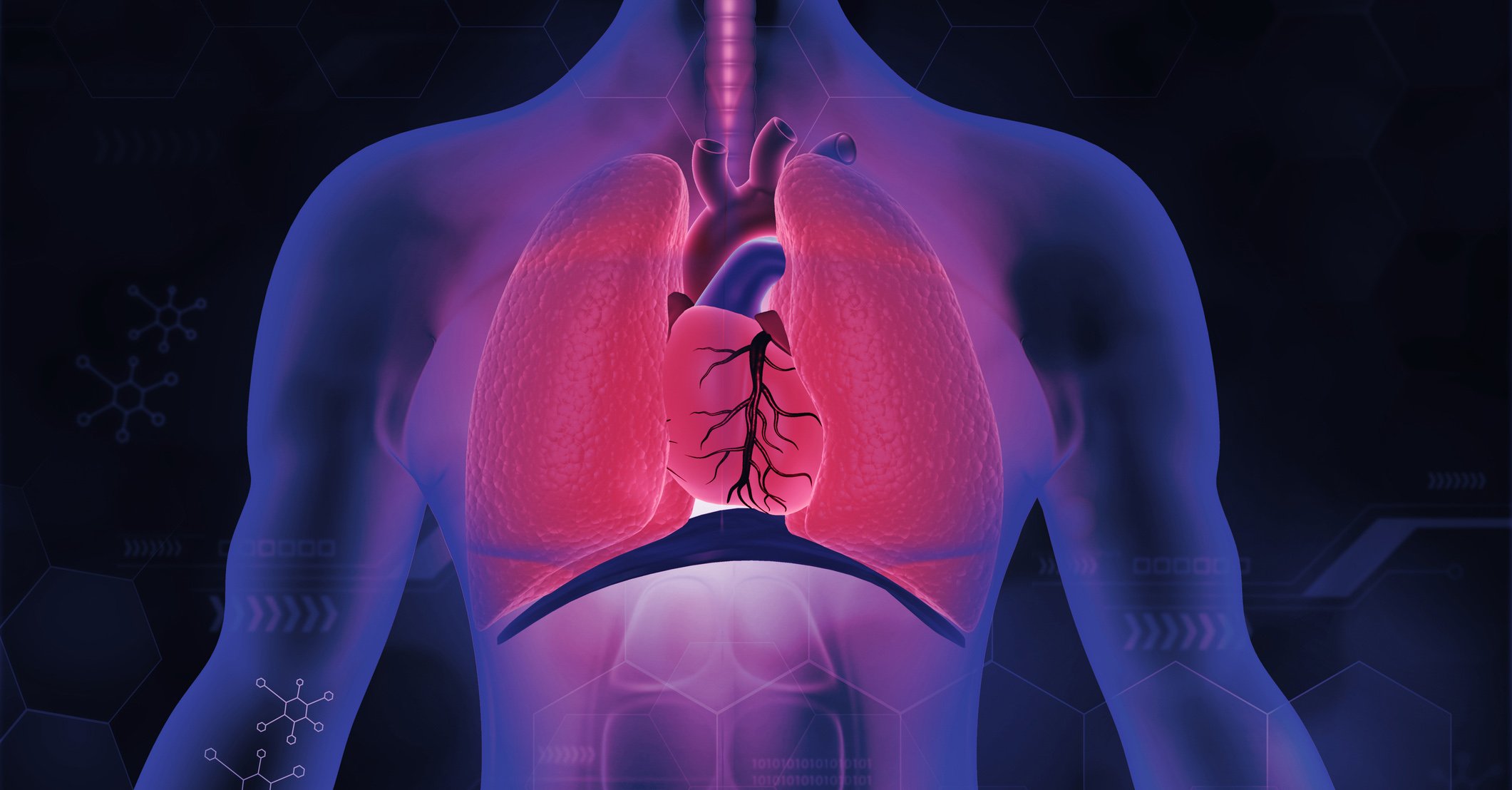
Pulmonary hypertension (PH) describes a hemodynamic condition with a pathological increase in pressure in the pulmonary vascular circulation. Clinically, PH causes reduced performance, shortness of breath, angina and syncope. Comprehensive diagnostics to exclude or classify the various underlying clinical pictures is essential, as the treatment of pulmonary hypertension sometimes differs considerably depending on the underlying disease.
Autoren
- Dr. med. Yaosi Li
- Dr. med. Daniel Grund
Publikation
- InFo PNEUMOLOGIE & ALLERGOLOGIE
Related Topics
You May Also Like
- Early rheumatoid arthritis
C1M has potential as a biomarker
- Osteoporosis
Risk-stratified therapy with osteoanabolic agents improves outcomes
- "Swiss Health Care Atlas"
New indicator: medication for weight regulation
- AI in neurology
Control instead of a flood of data: AI makes big data and wearables usable
- Treatment of pancreatitis: current study data
How can the risk-benefit profile be improved?
- Prurigo and PN
Anti-inflammatory antipruritic therapy improves quality of life
- Pathophysiology, clinical significance and therapeutic consequences
Eosinophils in asthma
- Urothelial carcinoma