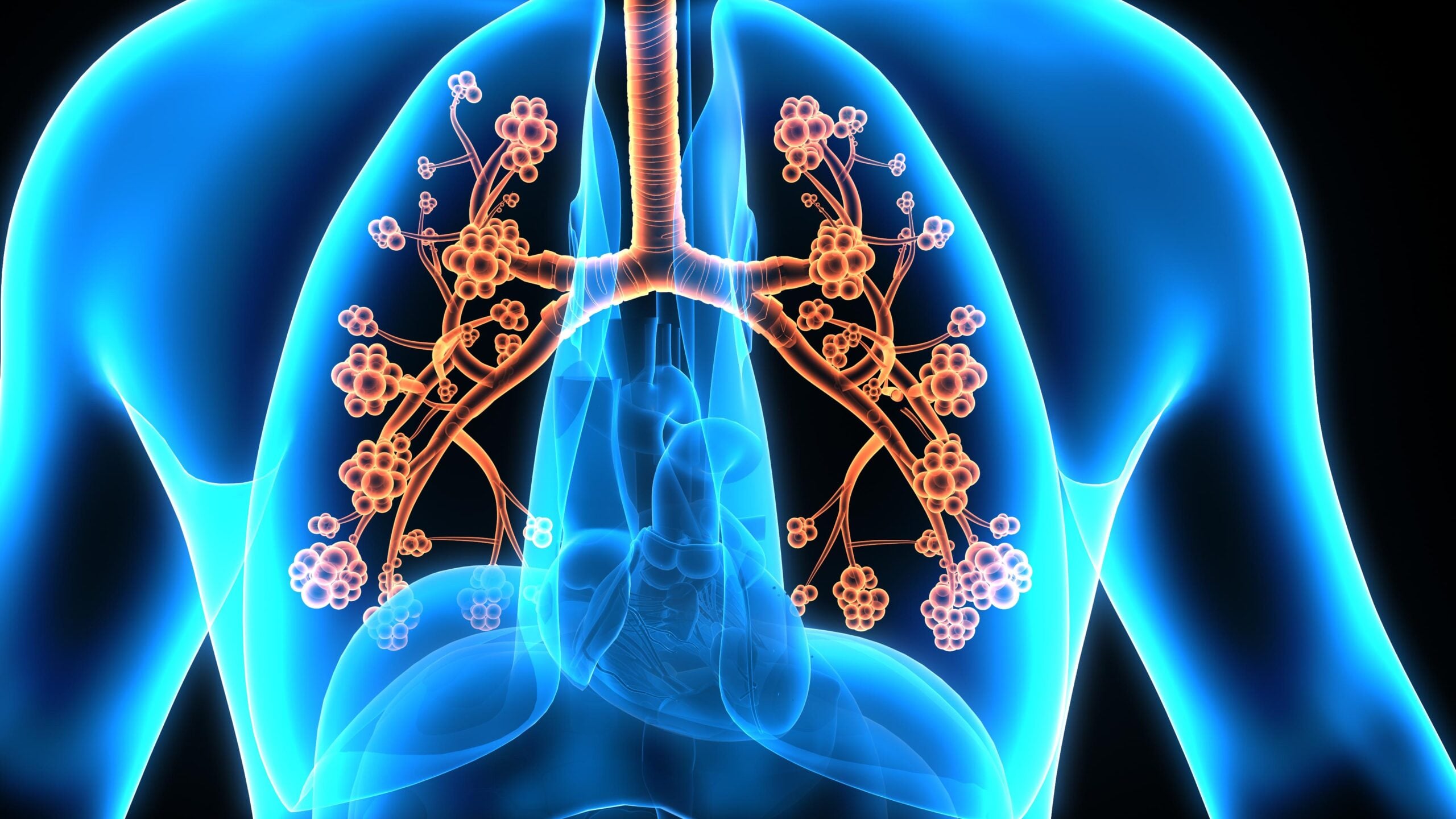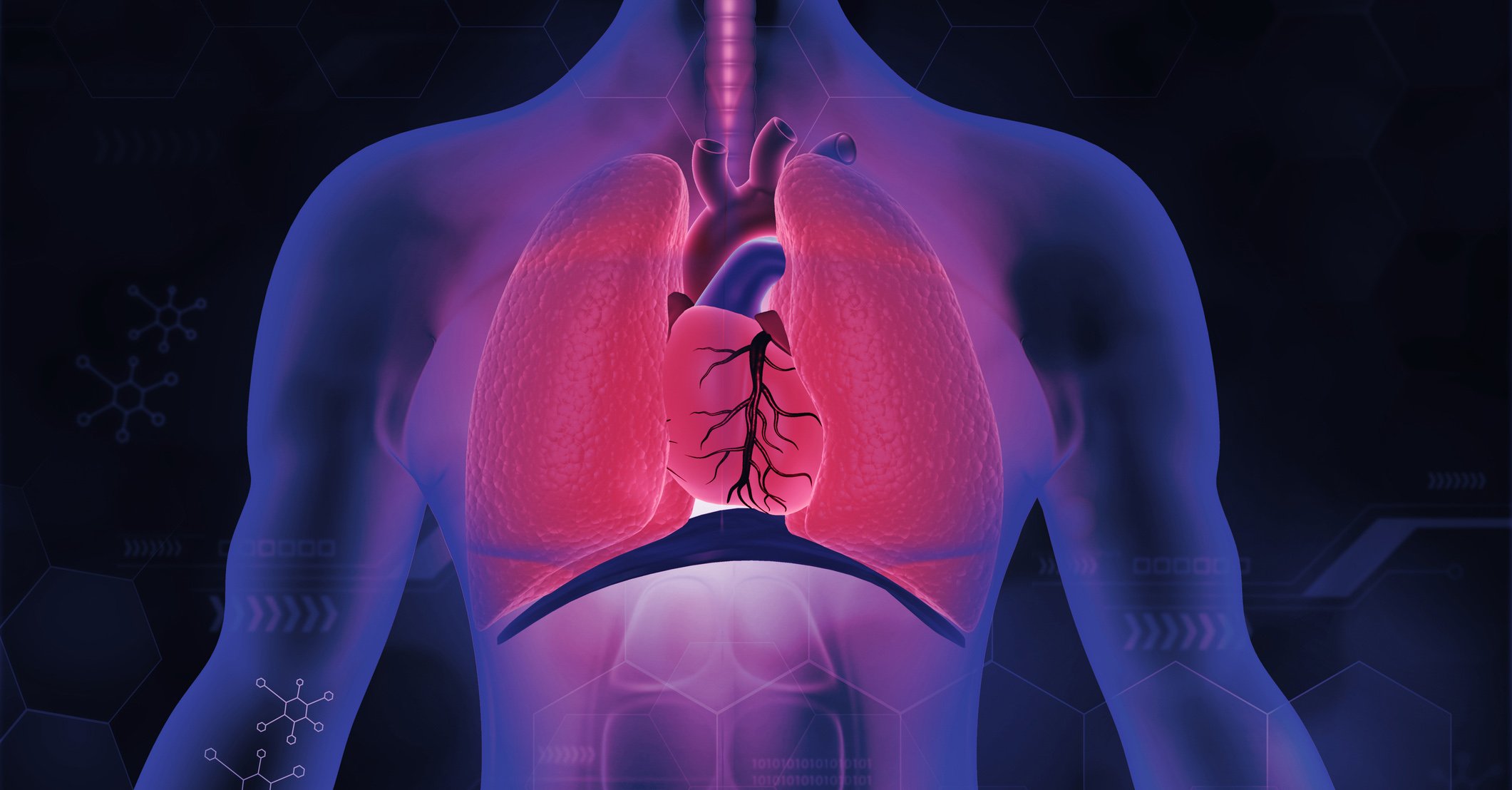
Pulmonary hypertension (PH) describes a hemodynamic condition with a pathological increase in pressure in the pulmonary vascular circulation. Clinically, PH causes reduced performance, shortness of breath, angina and syncope. Comprehensive diagnostics to exclude or classify the various underlying clinical pictures is essential, as the treatment of pulmonary hypertension sometimes differs considerably depending on the underlying disease.
Autoren
- Dr. med. Yaosi Li
- Dr. med. Daniel Grund
Publikation
- InFo PNEUMOLOGIE & ALLERGOLOGIE
Related Topics
You May Also Like
- MACE risk, heart failure incidence and all-cause mortality
Metabolic syndrome as a cardiovascular risk factor
- Glaucoma in old age: slowing down progression
IOP lowering is currently the only evidence-based treatment
- Vector-borne infections with skin manifestations
Arboviruses and leishmaniasis in Europe
- Multimorbidity and functional capacity in old age
Clarify individual health status and reduce risks
- Tick season: danger from early summer meningoencephalitis
TBE vaccination recommended for adults and children aged 3 and over
- New WHO guideline, updated stimulation protocols, focus on PGT-A
Fertility and reproductive medicine 2026
- Wound treatment
Surgical wound complications
- Proteins in wound healing