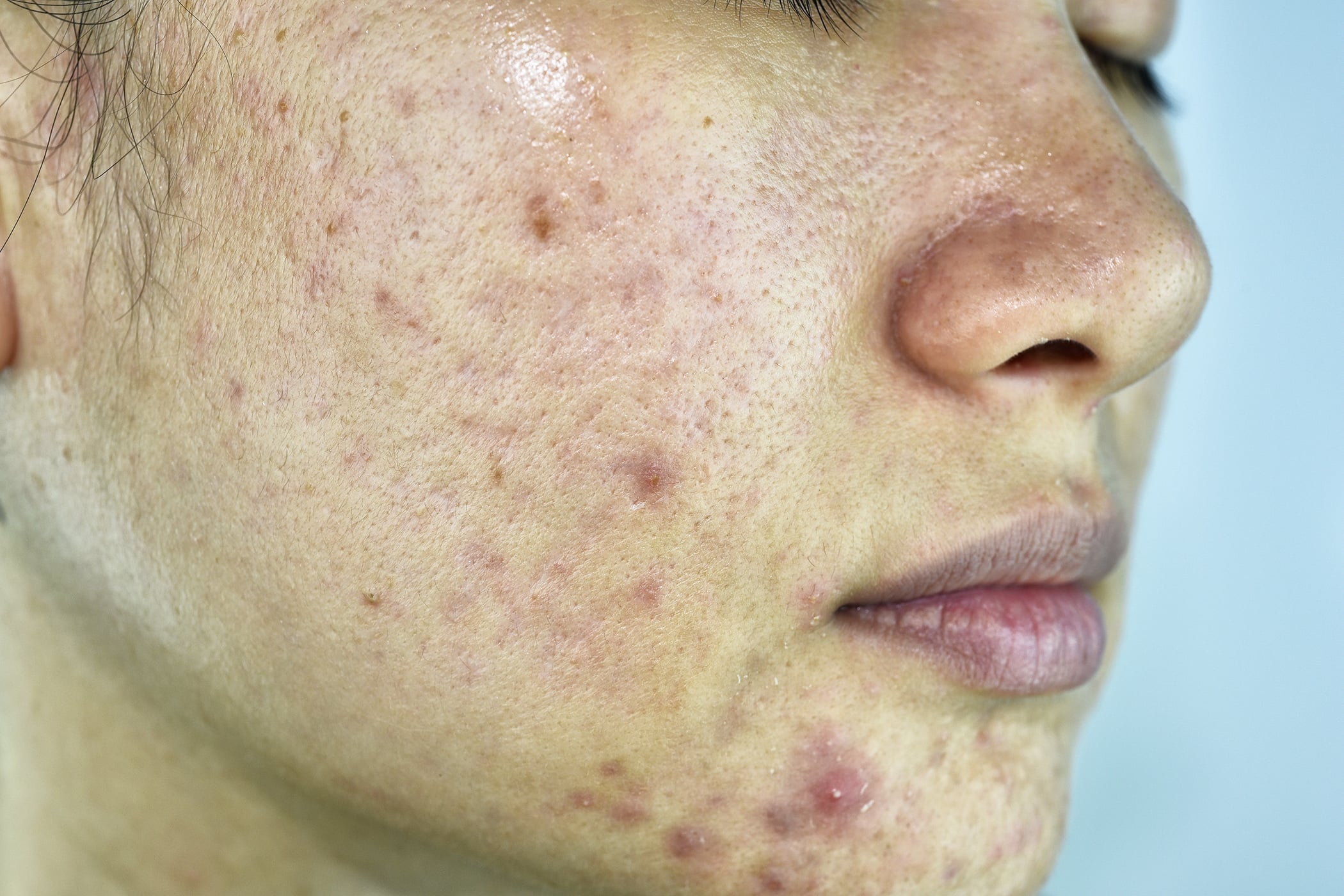
The recent reapproval of topical clascoterone in the U.S., the EU, and the U.K. represents a significant expansion of the therapeutic arsenal. Regarding benzoyl peroxide (BPO), the debate over whether the use of BPO-containing products poses a carcinogenic risk was reignited about two years ago. Current data suggest otherwise. Oral isotretinoin is reserved for severe and treatment-resistant forms of acne and has proven to be a highly effective treatment option when certain key principles are followed. What does the current state of knowledge indicate?
Autoren
- Mirjam Peter, M.Sc.
Publikation
- DERMATOLOGIE PRAXIS

Related Topics
You May Also Like
- Cardiovascular Risk in Rheumatoid Arthritis
What is the most dangerous thing for RA?
- Antisense oligonucleotide for severe hypertriglyceridemia
Reduced Incidence of Acute Pancreatitis
- Hereditary Transthyretin Amyloidosis with Polyneuropathy
New Treatment Options for ATTRv-PN
- Type 1 Diabetes: A New Disease-Modifying Treatment Approach
Slowing the loss of β-cell function and delaying the progression of the disease
- Liver Cancer
Artificial Intelligence in Precision Oncology—Opportunities and Challenges
- Acute nonspecific back pain
Implementing a biopsychosocial approach
- Biophilic Design of Work Environments
Effects on Health, Well-Being, and Productivity
- Alopecia areata